The Best Art Gifts for Wildlife Conservation Supporters
Skip novelty wildlife merch: choose conservation-focused art that "gives twice" — beautiful, collectible pieces that also fund field protection, with examples like Endangered Inks and small-run, hand-finished editions (INK). This guide explains how to spot genuine conservation impact, which species resonate, trusted UK sources, and the practical checkout details—framing, delivery and returns—so your gift is both meaningful and lasting.
If you're searching for the best art gifts for wildlife conservation supporters, you already know this person well. They've watched every David Attenborough series twice, they follow three snow leopard conservation projects on Instagram, and they genuinely lose sleep over vaquita population numbers. Finding a gift for someone like that should be easy. And yet there you are, standing in a gift shop, staring at a recycled tote bag printed with a generic panda and wondering if this is really the best you can do for them.
It isn't. There's an entire category of gift that sits far beyond wildlife-themed merchandise: art that actually does something. The finest wildlife art gifts don't just look beautiful on a wall, they fund real, measurable protection of the animals depicted. Brands like Endangered Inks have made this the entire point of their existence, building conservation impact directly into every piece they sell. Once you know this world exists, a novelty mug feels rather beside the point.
This guide covers everything you need to choose well. You'll learn how to spot a genuinely meaningful piece, which species tend to resonate most, where to buy in the UK with confidence, and what different budgets unlock. There are also practical answers to the questions worth asking before you click checkout: framing, delivery, returns, and how to tell the difference between a brand with real conservation commitment and one that simply likes the aesthetic of endangered animals.
What makes a wildlife art gift genuinely meaningful
Not all wildlife art is conservation art. A print of a tiger sold by a mass-market homeware brand may be beautifully rendered and competitively priced, but buying it changes nothing for tigers. Meaningful wildlife art gifts operate on a different principle: the "gives twice" test. The recipient receives something lasting and beautiful, and a portion of the sale funds the kind of field conservation work that keeps the depicted species alive. The beauty of the object and the impact of the purchase exist independently of each other, one doesn't come at the expense of the other.
The distinction between open-edition prints, limited edition prints, and original artworks matters here too. Open-edition prints are mass reproduced with no inherent scarcity; they're decorative objects. Limited edition prints exist in small, numbered runs and are often hand-finished, which gives them genuine collector value and a story worth telling. Original artworks are one-of-a-kind pieces representing the highest level of emotional and financial investment. Endangered Inks Print Collection, for instance, deliberately keeps its edition runs small, with each limited edition INK hand-finished in pastel, so the recipient holds something with real rarity rather than the thousandth copy off a digital press.
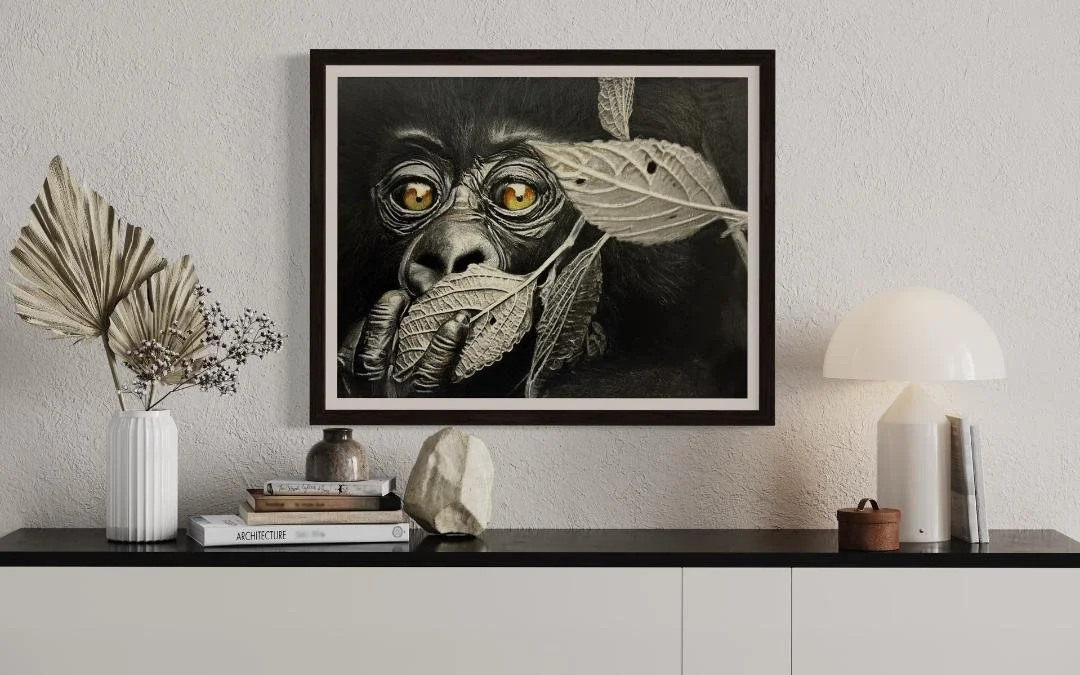
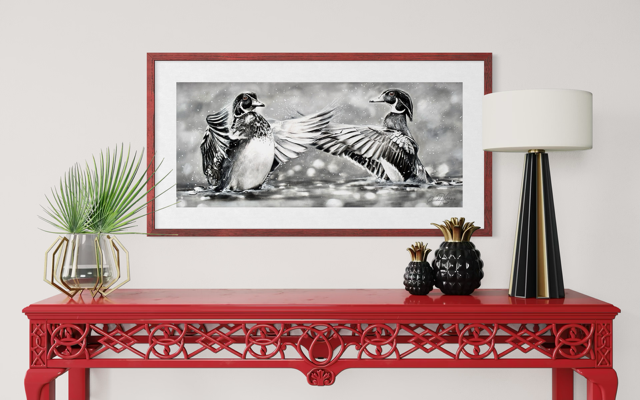
The most meaningful pieces also carry visible craft. A gift with hand-drawn linework, hand-applied pastel detail, or an artist's considered mark gives the recipient a story they can actually share, imagine explaining to a friend that the piece was drawn entirely by hand, then individually finished in pastel before it ever left the studio. That's what separates conservation art from charity merchandise: one is a cultural object, the other is a donation receipt with a picture on it.
Themes and species your recipient will connect with most
Tigers, snow leopards, and cheetahs dominate conservation gift preferences among buyers who care about wildlife, alongside sea turtles, marine species, and birds including owls and migratory species. These animals carry enormous emotional weight because they're charismatic, widely recognised as endangered, and often personally connected to the recipient's travel experiences or long-term conservation interests. UK charity auctions tend to feature tigers and elephants as headline species, and organisations like the David Shepherd Wildlife Foundation have built entire programmes around them.
That said, the most powerful gifts are specific, not generic. Someone who volunteers for the RSPB wants something different from a person who sponsors a lion in Kenya. A piece centred on one particular animal, rendered with genuine care and artistic intention, lands far harder than a sweeping "wildlife scene" of no particular emotional geography. Before you browse, think about which species your recipient mentions most often, posts about, or supports financially. Match the artwork to that specific passion and the gift becomes personal rather than merely pretty.
Best art gifts for wildlife conservation supporters, UK sources where buying art actually funds conservation
The David Shepherd Wildlife Foundation is the most established UK organisation selling wildlife art with a transparent donation model. Their shop donates a significant share of print and original sales to conservation projects in Africa and Asia, targeting eight endangered species including elephants, tigers, rhinos, and snow leopards. Their annual Wildlife Artist of the Year programme has raised nearly £2 million for conservation since it began, and annual impact reports show exactly how the money is allocated, from anti-poaching ranger support to children's education programmes in Zimbabwe.
Independent UK artists with conservation pledges
Several independent UK artists also carry active conservation pledges. Naomi Jenkin has donated between 10% and 50% on selected pieces. Alan M Hunt has raised over £100,000 through donated artwork and print royalties for big cat and rhino causes. Carol Barrett has committed 100% of selected cheetah painting sales directly to the Cheetah Conservation Fund. These artists offer a personal connection to the work, but the donation terms vary by piece and may change over time, so it's worth verifying the specific commitment on the artist's own page before purchasing.
A consistent model for gift buyers
For buyers who want a clear, consistent model without any detective work, Endangered Inks Home is worth exploring first. The brand's founder-led approach means small edition runs, hand-finished pastel detail on every limited edition piece, and a stated conservation contribution built into every sale through their "Drawn to Protect" programme. For a gift buyer who wants confidence that their purchase creates measurable impact, it's a straightforward place to start, though as with any brand, checking the current terms on their website before purchasing is always good practice.
From stocking fillers to collector-grade originals: what different budgets unlock
Under £50, you're looking at art cards, note card sets, and small open-edition prints. These work well as additions to a larger gift or for a younger recipient building their first connection with conservation art. The absolute donation value per sale is modest at this price point, but when the brand behind the product is genuinely mission-led, the sentiment still carries real weight. It's a different kind of gesture from a generic card, and the recipient will feel that.
Between £50 and £500, the gift starts to feel like a collectible. This is where limited edition prints and smaller original works become accessible, and where the distinction between decorative art and something the recipient will keep for decades becomes genuinely clear. Framed options, matted prints, and works from artists with conservation pledges all fall in this range. It's an appropriate tier for milestone birthdays, significant anniversaries, and anyone who deserves something they'll still love in twenty years.
Above £500, you're in collector-grade territory. Original artworks and large-scale limited editions from houses like Endangered Inks sit here, alongside premium pieces from DSWF and established UK wildlife artists. The rarity is genuine, the conservation contribution is proportionally larger in absolute value, and the emotional weight of giving someone a one-of-a-kind piece is simply incomparable. These are gifts for serious collectors or as a significant gesture for someone who has, frankly, everything.
Framing, UK delivery and returns: what to check before you order
What to check before you buy
Many UK wildlife art shops dispatch prints unframed, leaving the framing decision to the buyer. For gifting purposes, an unframed print with a quality mount card can actually be more versatile than a pre-framed piece, since the recipient chooses their own frame to suit their home. If you're ordering a hand-finished limited edition, check the dispatch time carefully: original artworks and hand-finished pieces may require additional preparation before shipping. Always read the return policy before you commit, particularly for higher-value pieces, and confirm whether the seller covers return postage on a change of mind rather than a defect.
How to tell whether the conservation claim is genuine
A credible conservation art brand names the specific programme or charity it funds, states a clear percentage or absolute amount, and shows what past contributions have achieved. Endangered Inks' "Drawn to Protect" programme is an example of the kind of transparency worth looking for: a named initiative with a stated commitment applied consistently across the range.
The David Shepherd Wildlife Foundation publishes detailed impact reports showing exactly where funds go. These are the standards worth holding any purchase against.
Watch out for vague language. Phrases like "we care about wildlife" or "a portion supports conservation", without naming a specific organisation, percentage, or track record, are signals that the conservation claim is decorative rather than structural. Mass-market prints featuring endangered species with no stated conservation link are, at their core, decorative objects using the aesthetic of wildlife protection without contributing to it.
The difference between wearing a cause and funding it is significant, and your recipient, who genuinely cares about these animals, will know the difference.
The best art gifts for wildlife conservation supporters: a final word
The person you're shopping for cares deeply, and they deserve a gift that reflects that care with equal seriousness. The best art gifts for wildlife conservation supporters bring together beauty, rarity, and genuine impact, and finding all three in one place is far more possible than the high street would have you believe.
Think about which species your recipient is most passionate about, then look for a source with a transparent, named donation model. From there, it's simply a matter of matching the occasion to a price point, knowing that a carefully chosen art card and a collector-grade original can both carry real meaning, provided the brand behind them has built conservation into how they operate rather than bolted it on as an afterthought. Endangered Inks Print Collection is a natural first stop: each piece hangs on a wall and, by the terms of their programme, supports the animal it depicts.
Think of it this way: the snow leopard enthusiast you're buying for doesn't just want a beautiful image of the animal they love. They want to know that choosing that image over a thousand others actually mattered. That's the gift, not just the object, but the knowledge that it did something.
Buy Original Wildlife Art in the UK: A Collector's Guide
UK wildlife art is awash with reproductions and open-edition prints; verify originals as one-off, hand-made works showing surface texture and varied marks by requesting close-up photos and provenance. This guide covers edition-size significance and where to buy—galleries like Sally Mitchell Fine Arts, Cricket Fine Art, Skylark Galleries, David Shepherd Wildlife Foundation, independent artists, or online platforms—so you spend wisely.
A substantial proportion of the wildlife art available to UK buyers consists of reproductions and open-edition prints rather than genuine originals. That's not a cynical observation, it's simply the reality of a market flooded with open-edition giclée prints, mass-produced reproductions, and digitally altered photographs dressed up with fine art language. A print can be beautiful, but it is not the same as a hand-drawn original, and the difference between the two, in terms of rarity, long-term value, and what the object actually means, is considerable.
That gap is precisely where studios like Endangered Inks operate. Every piece in the INKS collection is hand-drawn in pen and ink and hand-finished in pastel, made once, carrying physical marks, specific texture, and a visible hand behind every line. That's what a genuine original is, and it's a useful benchmark to carry with you as you navigate the wider market. This guide is for anyone looking to buy original wildlife art in the UK without being misled. Whether you're a first-time buyer or adding to an existing collection, the questions and benchmarks here will help you spend your money wisely.
What separates a genuine original from a mass-produced print
The single biggest source of confusion in this market is the distinction between an original artwork and a reproduction. Most buyers don't ask the right questions before spending money, and sellers don't always volunteer the answers. Understanding the difference is the first and most important step.
The physical qualities that mark a true original
An original is made entirely by hand, once, in a specific medium: oil on canvas, watercolour on paper, pen and ink on board. It carries physical evidence of that process: texture, layering, variation in line weight, the pressure of a nib or brush. A reproduction, even a high-quality giclée printed on fine art paper, is a photograph of that process, scaled and output by a machine. When requesting images of a work before buying, ask for close-up photographs that show the surface. If every mark looks perfectly uniform, it is almost certainly a print.
Why "limited edition" doesn't always mean what you think
A print run of 500 is technically limited. It is not, however, rare. For serious collectors, meaningful edition sizes are typically under 50 prints, and often under 25, at that scale, demand can realistically outpace supply, which is what drives long-term resale value. Collectors often prefer editions of 10 to 25 as the most exclusive tier. Before buying any limited edition print, ask two specific questions: how many prints exist in total, and has any part of the edition been retired? If the seller can't answer both clearly, that tells you something useful. Endangered Inks deliberately keeps print editions small for exactly this reason. A hand-finished pastel print from a run of 20 is a fundamentally different object, in terms of rarity and collectibility, to a run of 500. Edition size isn't just a number. It's a signal of how seriously the artist treats the work.
Where to buy original wildlife art in the UK
Once you know what you're looking for, the next question is where to find it. There are three main routes: established galleries, independent artists selling direct, and online platforms. The right route depends on how much you want to pay for the confidence each provides.
Established galleries and what they offer
Well-regarded UK galleries include Sally Mitchell Fine Arts, Cricket Fine Art, Skylark Galleries in London, and the David Shepherd Wildlife Foundation. Gallery pieces are typically authenticated and provenance-checked, which adds a layer of confidence. The trade-off is that gallery commissions are built into the price. You'll find a broad range of British wildlife art originals through these channels, with smaller or emerging-artist works beginning around £475 and rising considerably for established names.
Buying direct from independent artists and studios
Purchasing directly from an artist or a founder-led studio removes the gallery mark-up and gives you direct access to the person who made the work. It also makes provenance considerably easier to verify, since you're speaking with the source. This route is increasingly legitimate and common, particularly for pen and ink, pastel, and mixed-media work. Studios operating this way, where the founder is also the maker, typically offer the clearest provenance trail and the most direct relationship with the work's origins.
Online platforms: what to use and what to avoid
Etsy and Not On The High Street are accessible entry points but require careful vetting. Platform policies on authenticity vary, and listings differ enormously in quality and transparency. Before buying through any marketplace, look for an artist statement, process photography showing the work being made, a clear certificate of authenticity policy, and a direct way to contact the seller. If a listing can't tell you exactly how a piece was made and in what medium, treat that as a reason to ask further questions before committing.
How to verify authenticity and provenance before you commit
Verifying an artwork before purchase isn't pedantic. It's the only way to confirm the piece is what the seller claims and to protect your investment over time. Many buyers skip these steps and regret it.
What a certificate of authenticity must contain
A valid certificate of authenticity is not a sticker or a generic PDF with a logo on it. A professionally sound COA should include all of the following: The artist's full name The title of the work The year of completion The medium and specific materials used The exact dimensions The edition number, if applicable A signed statement of authenticity A photograph of the artwork itself Some artists now include QR codes linking to a dedicated online record for that specific piece, which makes future verification far more robust. If a seller offers you a COA that's missing several of these elements, ask for clarification before the sale completes. For a useful external reference, see Jacksons' explanation of certificates of authenticity and Format's guide to certificates of authenticity for practical examples.
Checking an artist's credentials and conservation links
Look for exhibition history, gallery affiliations, and any named conservation partnerships. An artist who donates a percentage of sales to a specific wildlife charity, with transparent reporting, signals genuine accountability. The "Drawn to Protect" programme run by Endangered Inks donates 20% of every sale directly to wildlife conservation, a meaningful and verifiable standard. When evaluating any artist or gallery, it's worth asking directly: what does this purchase support beyond the object itself? The answer reveals a lot about how seriously the seller takes the work.
Questions to ask before you buy
Put these directly to any gallery or artist before completing a purchase. Can you confirm the medium and describe exactly how this piece was made? Is there a signed COA and what does it contain? What is your returns policy if the piece arrives damaged? For prints specifically: what is the exact edition size, are any prints from this edition retired, and has the edition ever been altered since it was announced? A seller who answers these questions clearly and promptly is one worth trusting.
What original wildlife art typically costs in the UK
Price is usually the first question, but it's more useful to understand what drives cost than to look for a single figure. The UK market covers an enormous range, and knowing the logic behind pricing helps you assess whether a piece is genuinely valued or merely expensive.
Price ranges by medium and artist reputation
Original oils by established artists typically sit between £1,200 and £12,800, with larger or more complex works at the upper end. Watercolour and pastel originals range from around £875 to £6,200 depending on the artist and scale. Pen and ink originals, the kind of work at the heart of wildlife art for sale across UK galleries and direct studios, are variable but generally fall between £400 and £5,000 depending on size and complexity, though this range reflects observed market listings rather than a fixed standard. Conservation-focused galleries such as the David Shepherd Wildlife Foundation offer more accessible entry-level pieces from approximately £300 to £3000.
Limited edition prints as a considered entry point
For collectors who want to start without a significant outlay, limited edition prints hand-finished by the artist offer a meaningful alternative to open-edition posters. Prices typically begin around £40 for larger-run prints. Small-run, artist-finished editions, particularly those hand-finished in pastel or ink, can command considerably more, especially where the edition size is 20 or fewer. The distinction matters: such a print occupies a different category entirely to a run of 500 from a commercial supplier. One is a collectible with genuine scarcity; the other is wall decoration.
What pushes the price up and why it matters
The main value drivers are artist time, reputation and exhibition history, medium (oils typically command more than watercolour or digital work), edition scarcity, subject matter, and whether a conservation donation is built into the price. Conservation-related subjects, particularly endangered species, are commonly valued for both ethical and cultural reasons, and work tied to verifiable conservation programmes tends to carry additional weight for discerning buyers. A buyer paying for a piece with genuine conservation impact is acquiring more than a decorative object: they are funding real protection of the species depicted.
How wildlife art commissions work in the UK and what to expect
Commissioning a piece gives you complete control over subject, scale, and medium. It's a growing part of the market, but the process works differently from buying an existing work, and going in unprepared can lead to frustration on both sides.
Deposits, lead times and what to agree in writing
Standard practice across the UK market is a deposit of 20 to 50% to secure a commission slot, with the balance due on completion or delivery. Lead times typically run from four to six weeks for the artwork itself, with an additional two to four weeks if custom framing is required. Agree the medium, dimensions, reference imagery, and revision terms in writing before any money changes hands. A clear brief protects both you and the artist, and any professional artist will welcome it.
Shipping, framing and insurance for UK buyers
For domestic delivery, unframed original works typically ship for around £12 for small to medium pieces and £25 for larger or more fragile works. Framed pieces carry higher shipping fees and significantly more fragility risk. Coverage for original artworks varies widely between carriers, DHL Express is commonly used for higher-value works and Royal Mail is a frequent choice for lower-cost shipments, but you should always check insurer and carrier terms before shipping. Always request tracked, insured delivery and retain all documentation. For international buyers, import duties of approximately 5% of the artwork value apply in the UK, and buyers are responsible for customs costs.
A final thought before you buy original wildlife art in the UK
Buying original wildlife art in the UK doesn't have to be complicated, but it does require asking the right questions. The market contains genuinely extraordinary work alongside reproductions dressed up as something more significant. Knowing what to look for, medium, edition size, certificate of authenticity, and conservation credentials, means you can commit with real confidence rather than optimism.
For anyone beginning that search, the Endangered Inks INKS collection offers a useful reference point: founder-drawn, hand-finished, conservation-backed, and built around rarity from the outset. Each piece supports real wildlife protection through the "Drawn to Protect" programme, which means the work carries meaning beyond the wall it hangs on. Browse the collection or enquire about a commission to find out more. The INKS collection itself can also be explored in more detail on the studio's site for examples and background: the INKS collection. The best piece isn't always the most expensive one. It's the one made with care and intention, for a purpose that extends well beyond the transaction.
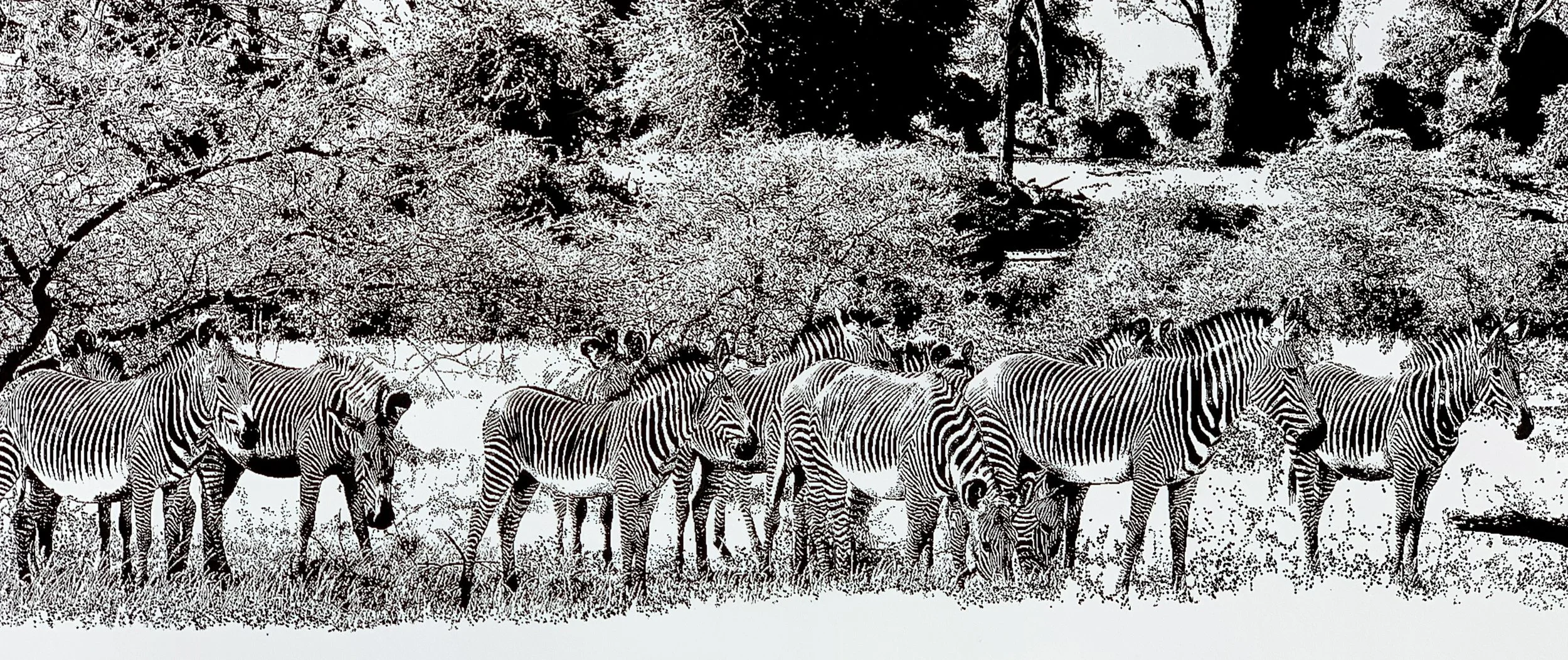
The Power of Pen and Ink
This striking black-and-white pen and ink artwork presents a herd of endangered Grevy zebras gracefully grazing in a serene grassland. The intricate details of their distinctive stripes contrast beautifully against the soft textures of the surrounding foliage, creating a dynamic interplay between wildlife and nature. Each zebra stands out, embodying the essence of the wild while harmonizing with their environment. This piece invites contemplation and appreciation for the beauty of the natural world.
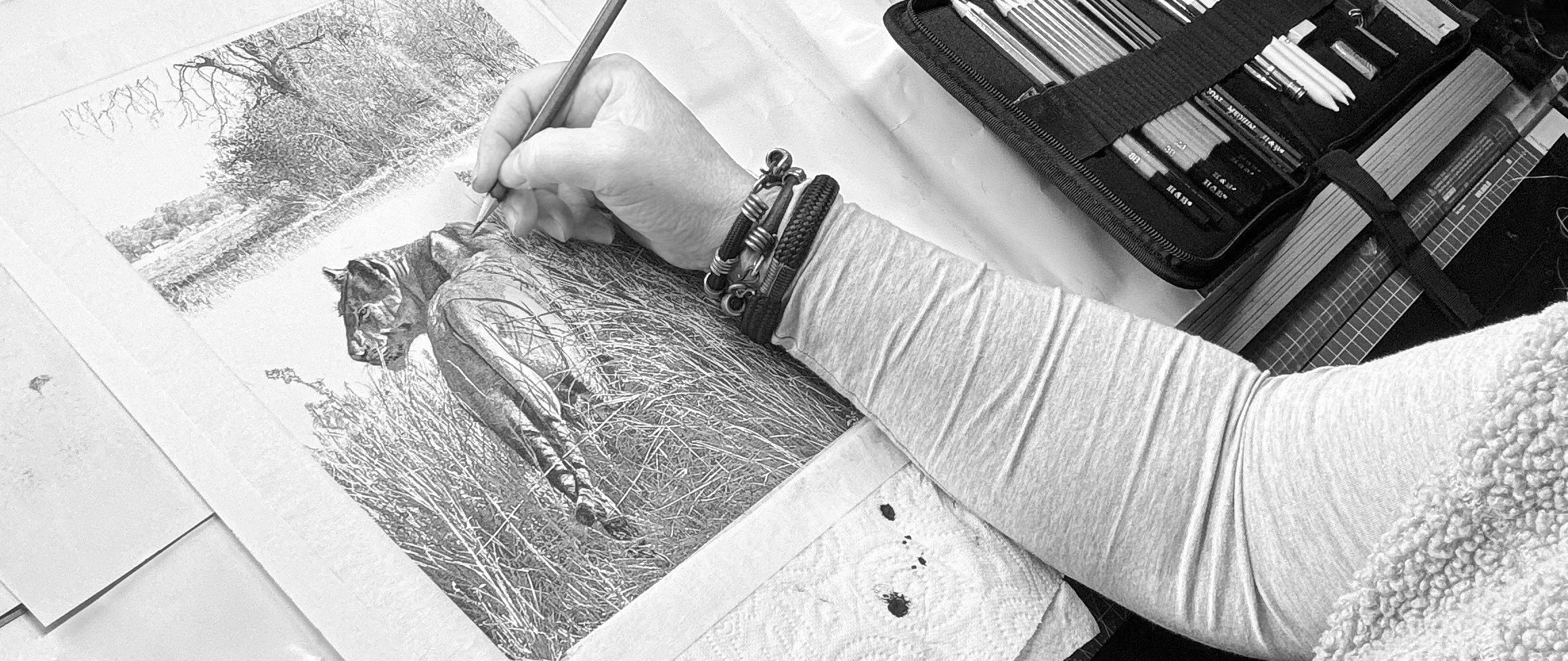
I find as an artist that pen and ink is one of the most unforgiving artistic mediums. There is no hiding behind heavy paint or layered correction. Every mark i make needs to be intentional. Every line carries weight and not always intentional.
For wildlife art, the pen creates an extraordinary connection between the subject and myself.
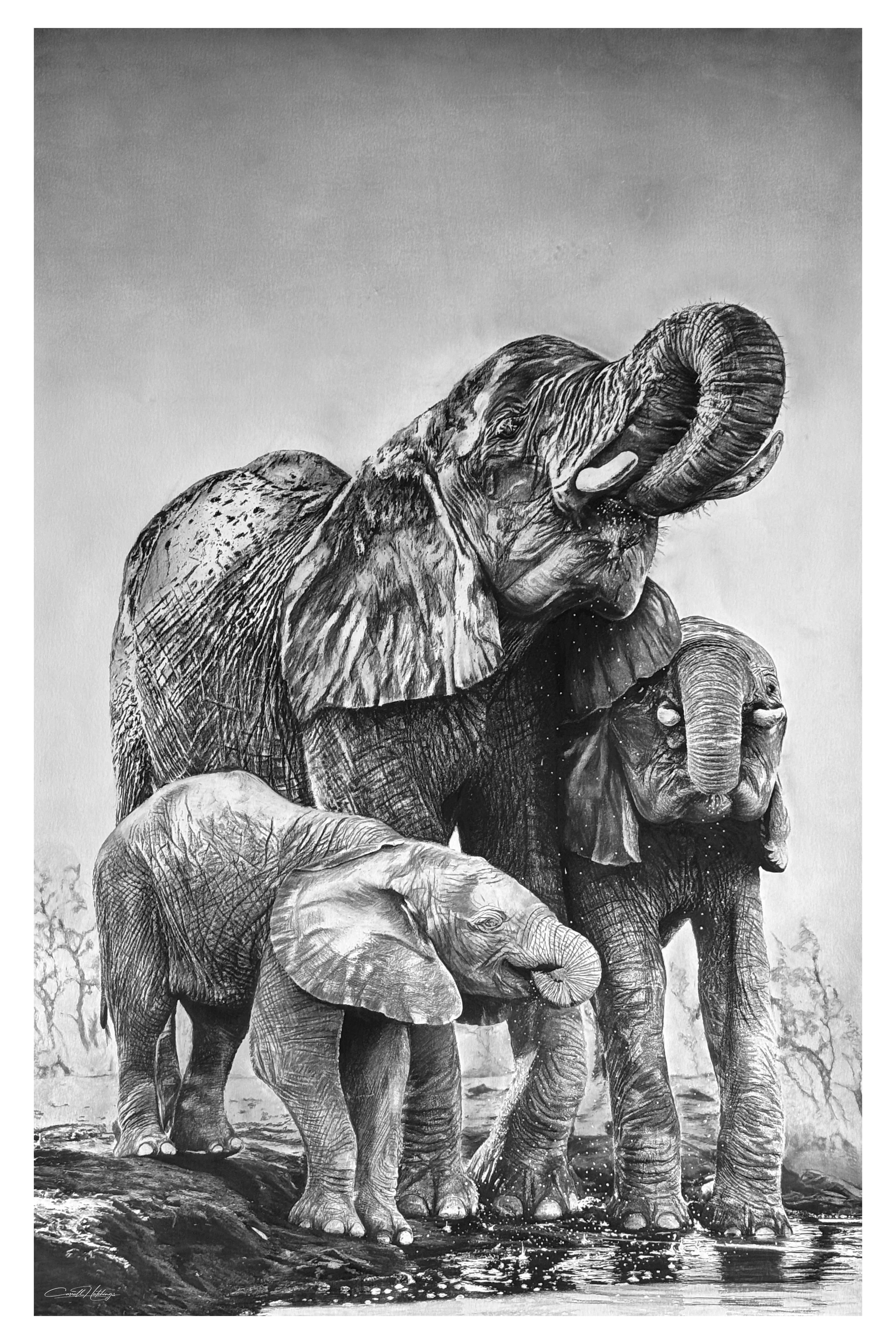
The texture of an elephant’s skin.
The tension in a lion’s stance.
The softness around a rhino’s eye.
The scattered light across a leopard’s fur.
Each detail I have to research and observe and my pen translates this into thousands of individual ink marks. The process becomes less about drawing and more about understanding the animal itself.
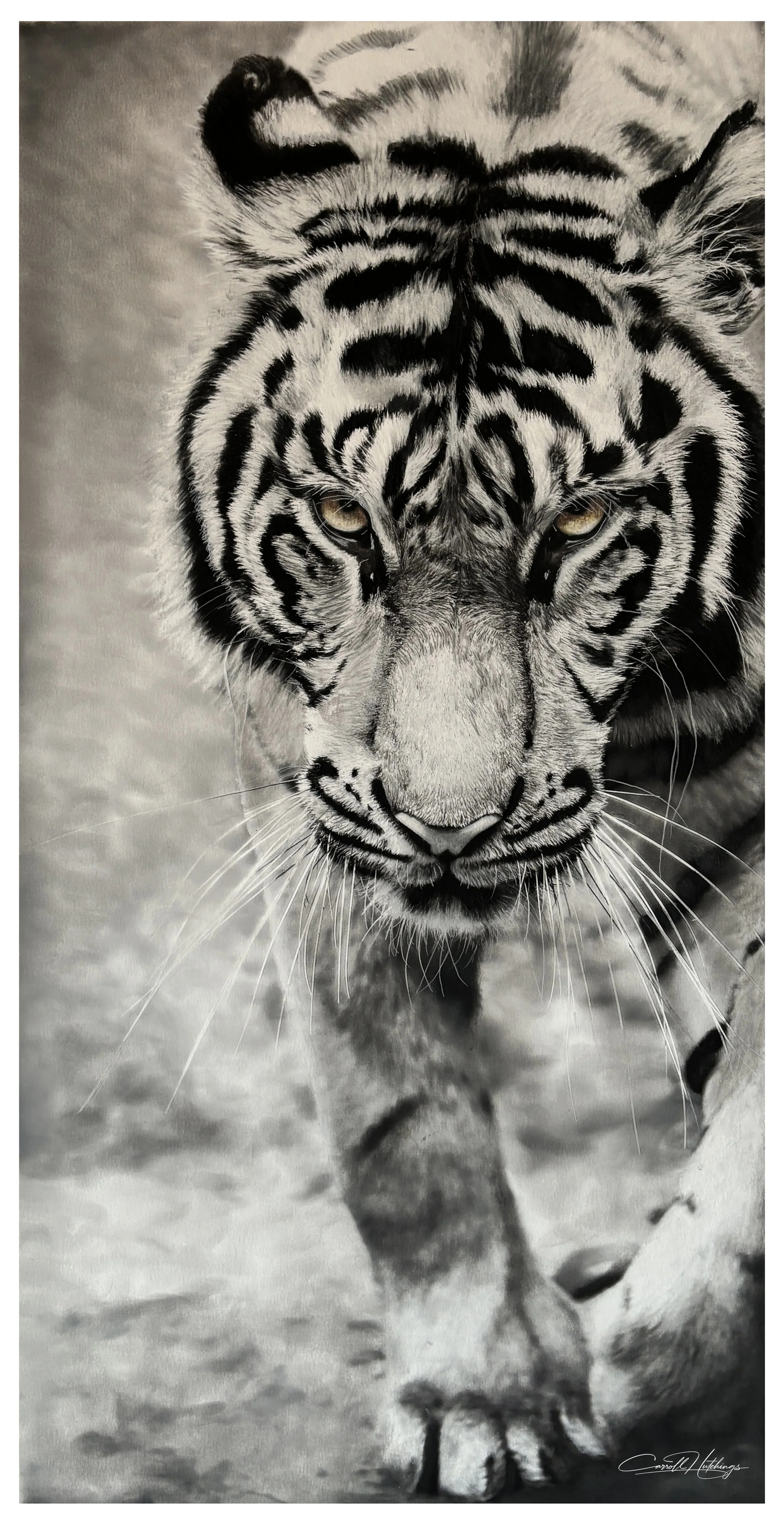
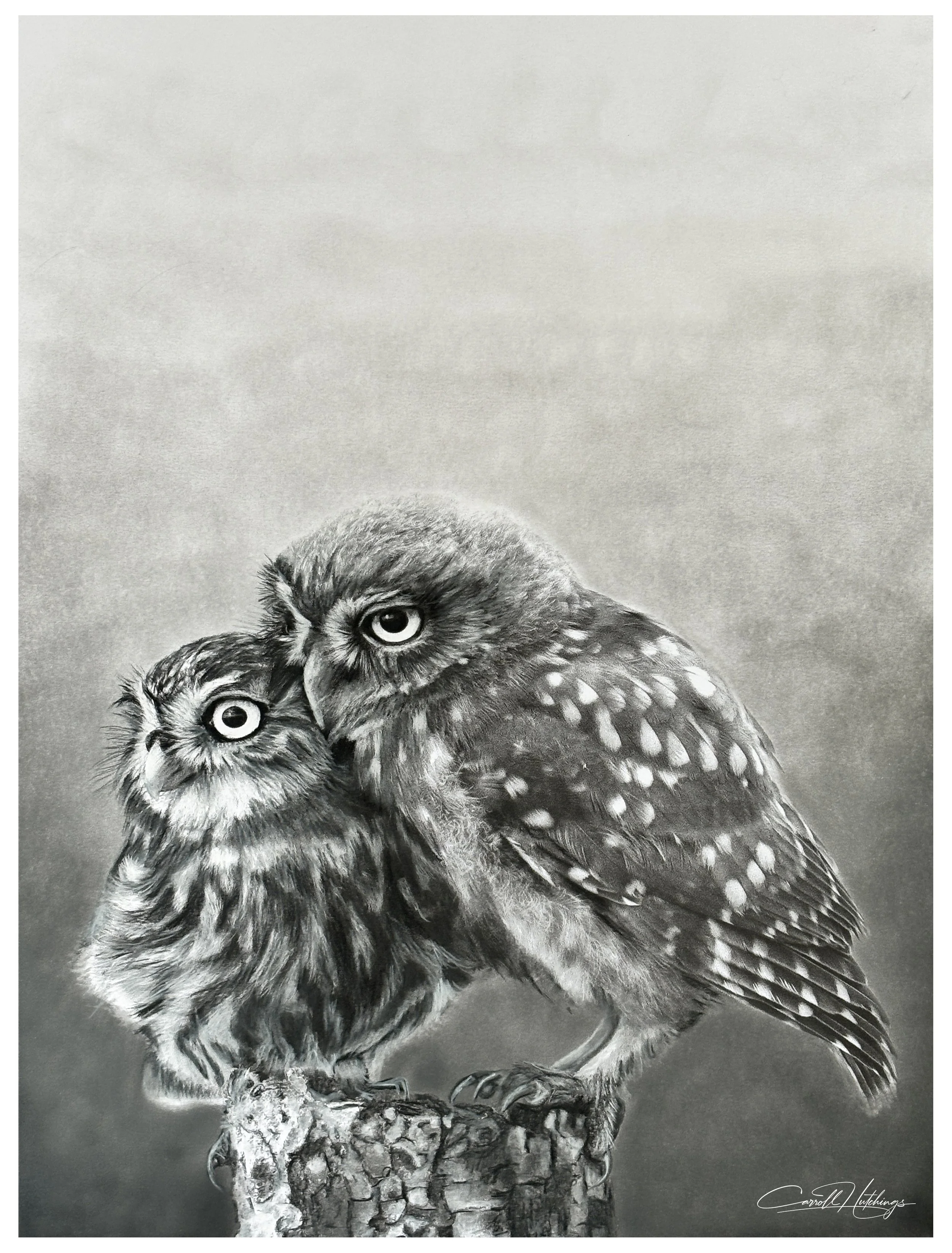
When I create an INK, discipline is central to the work, every mark I make is a commitment to the paper. I love working broadly within a monochromatic approach, I hope my art leaves the viewer of an INK feeling the emotion, character and behaviour of the animal as the key focus.
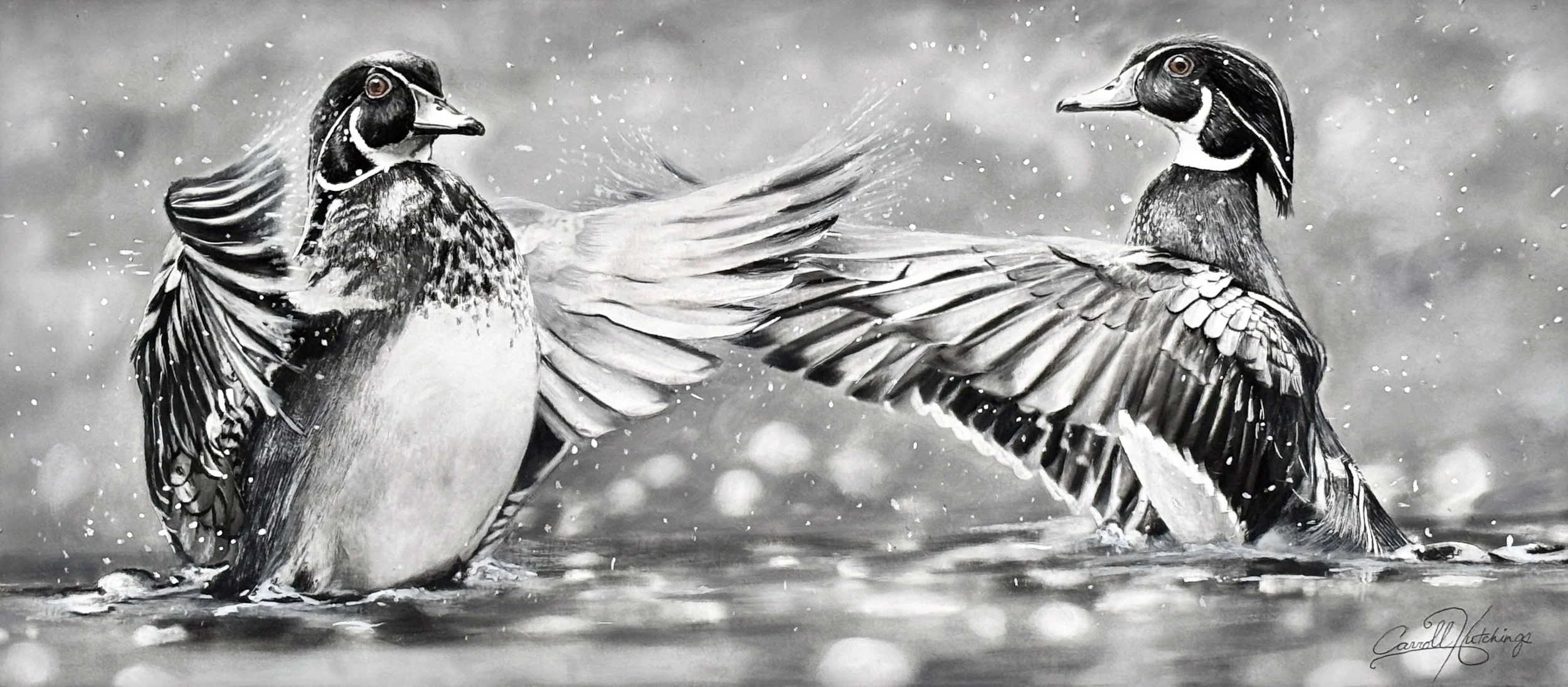
The Art of Restraint:
Black and white wildlife art is not the absence of colour. It is the amplification of feeling.
Why monochromatic wildlife art still moves us in a world saturated with colour, speed and digital noise, monochromatic wildlife art asks the viewer to slow down. At Endangered Inks, every drawing begins with a simple instrument — pen on paper — yet from that simplicity emerges something deeply emotional: a gaze, a movement, a moment of wildness preserved forever in ink. Black and white wildlife art is not the absence of colour. It is the amplification of feeling.
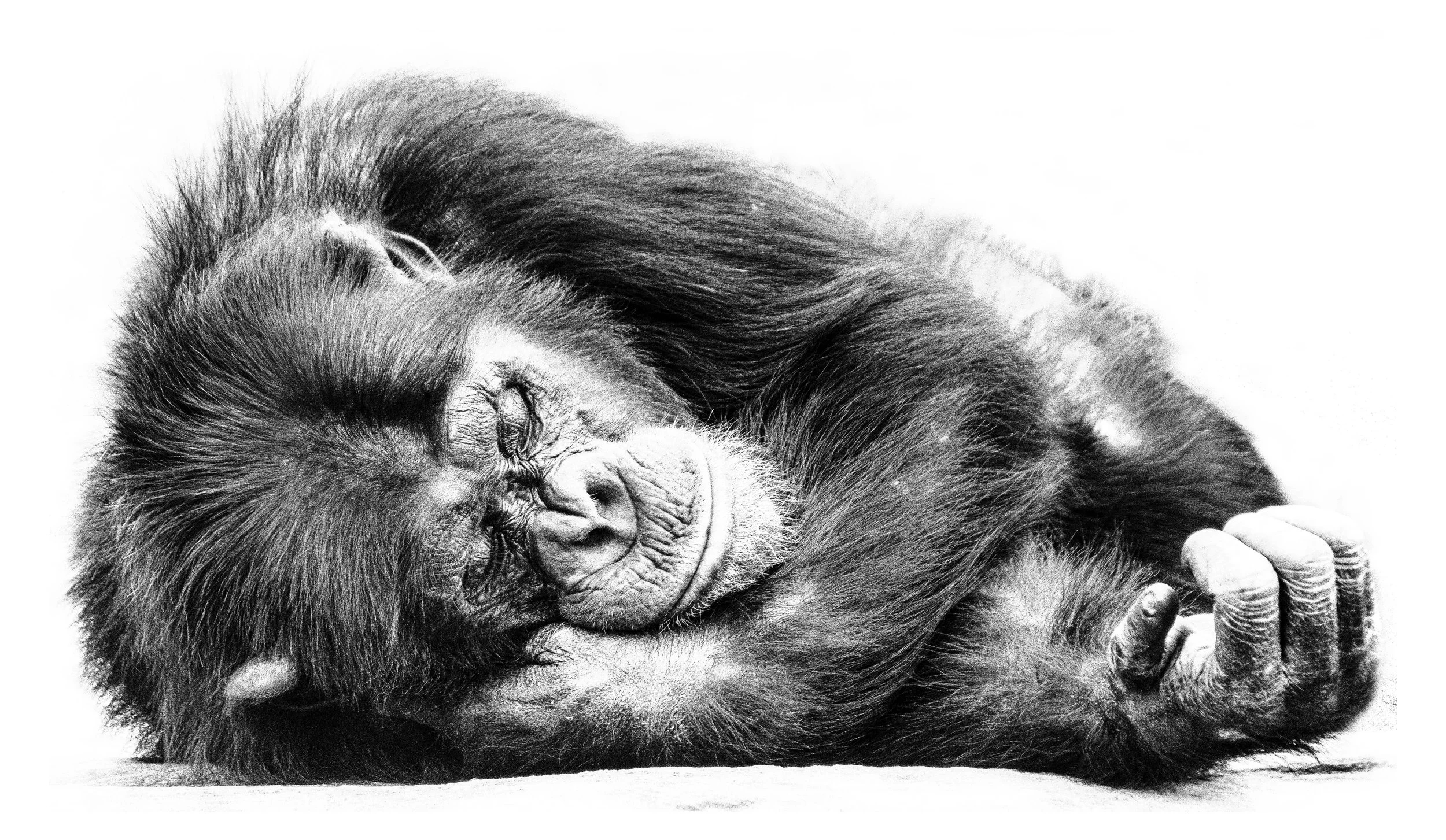
Why Endangered Species Art Matters More Than Ever
Endangered species art matters now more than ever because the world is losing wildlife at an unprecedented rate. Art has the power to create emotional connection, build empathy, and transform abstract extinction statistics into personal responsibility. In a time of environmental crisis, art becomes a bridge between awareness and action.
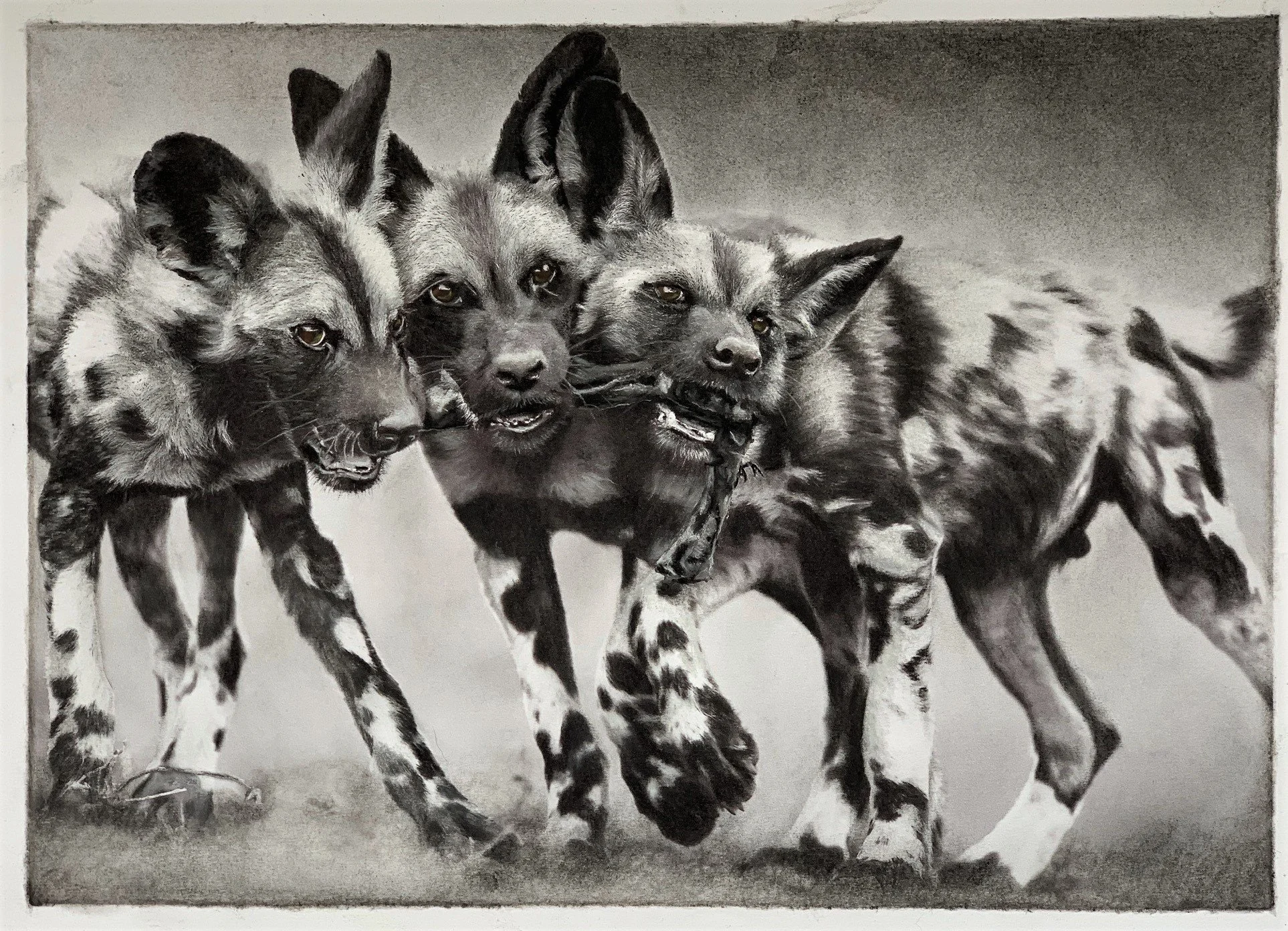
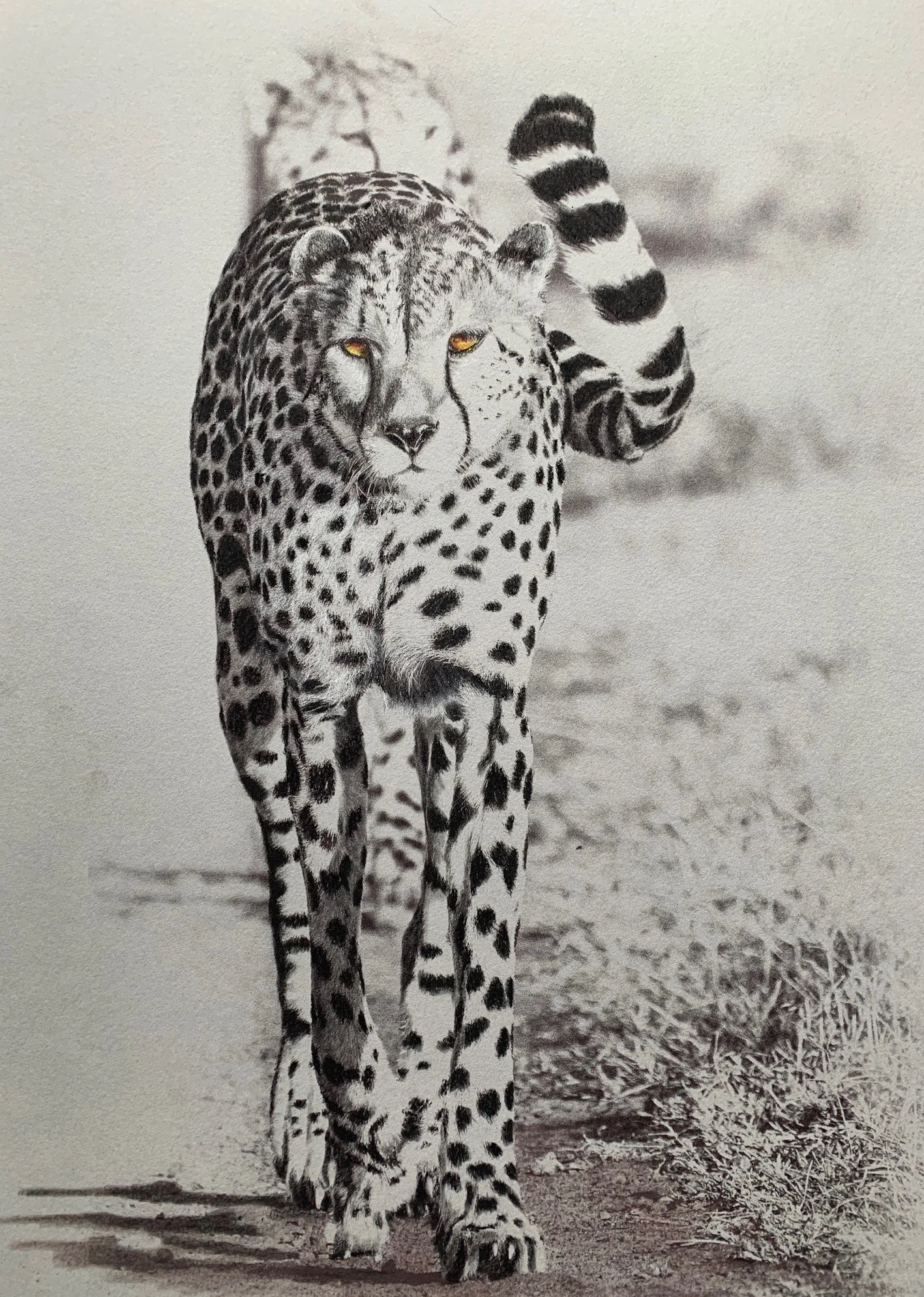
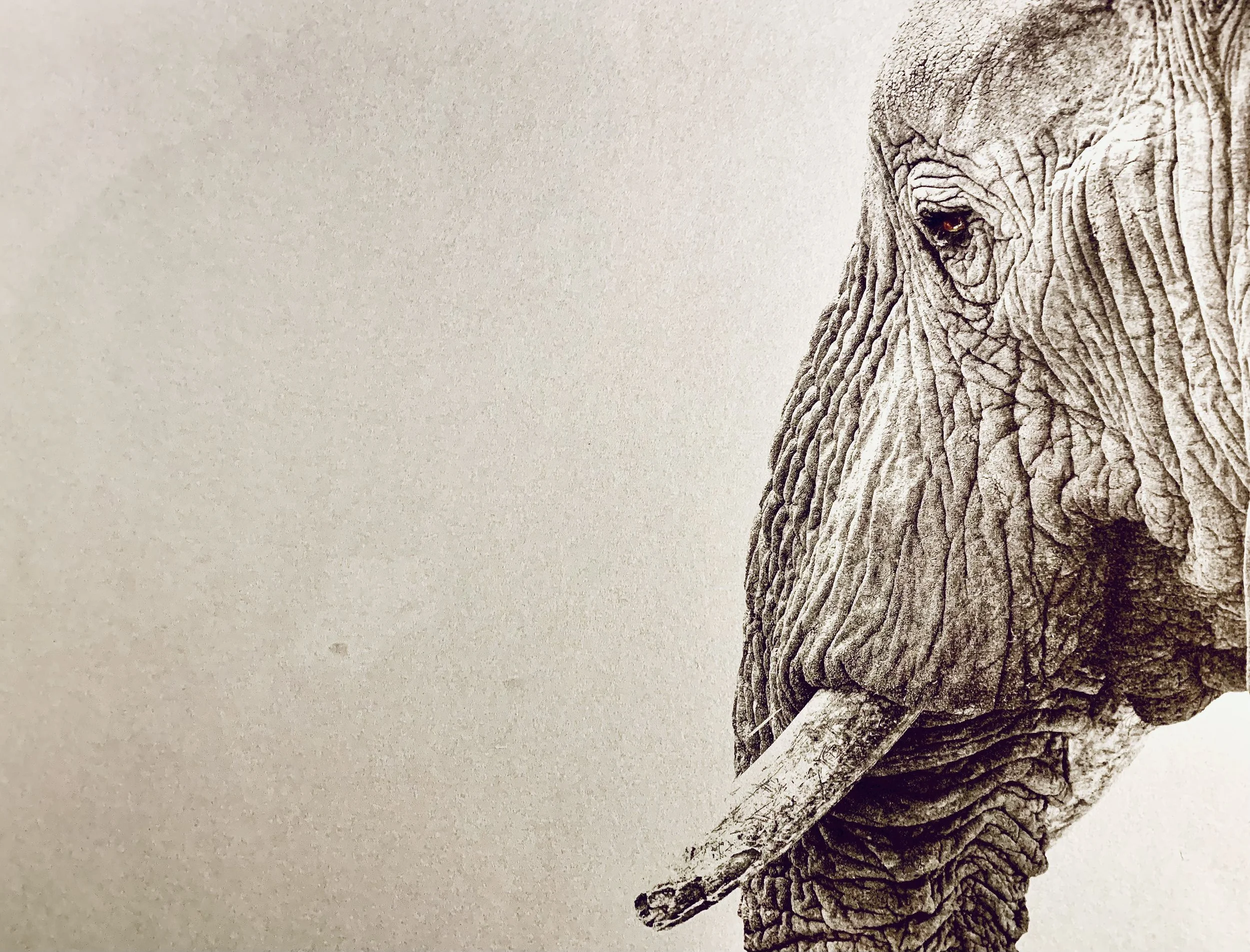
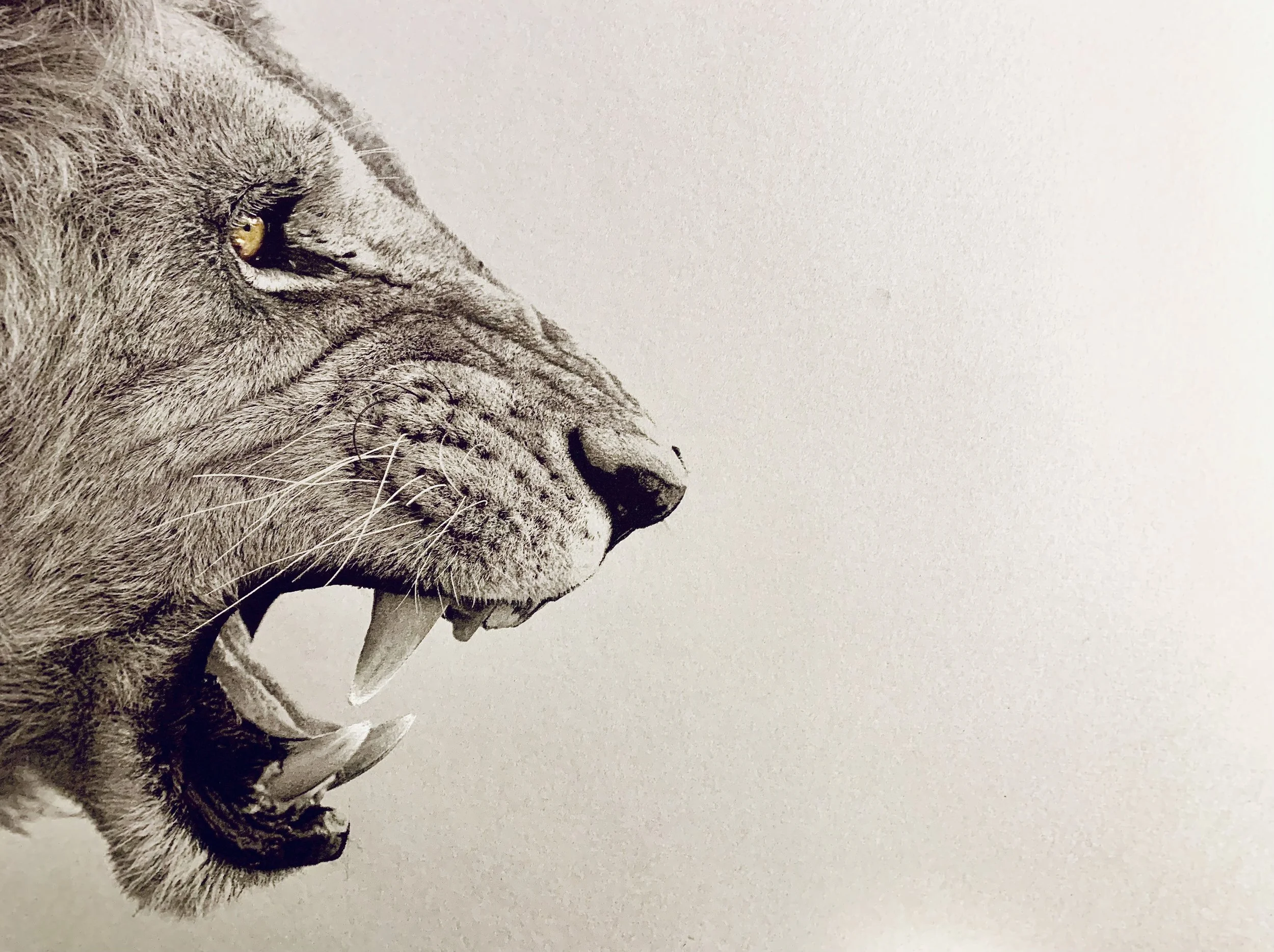
Endangered species art matters now more than ever because the world is losing wildlife at an unprecedented rate. Art has the power to create emotional connection, build empathy, and transform extinction statistics into reality. In a time of environmental crisis, wildlife art becomes a bridge between awareness and action.
The World Is Losing Species Faster Than Ever
We are living through a mass extinction event. Habitat destruction, climate change, pollution, illegal wildlife trade, and ecosystem collapse are pushing species toward extinction at speeds never seen before in our history. But most people experience this crisis as information, not emotion. Numbers feel distant. Statistics feel abstract. Reports feel disconnected from daily life and made to be fake news. Extinction becomes something people know about — but don’t feel. This emotional distance is one of the biggest barriers to conservation.
Why Awareness Alone Is Not Enough
Awareness does not change behaviour on its own. People do not protect what they do not emotionally connect to. They do not defend what they do not value. They do not act for what feels distant and abstract. True protection starts with connection. This is where endangered species art becomes powerful — it transforms information into emotion and data into meaning.
How Art Creates Emotional Connection to Wildlife
Our brain is wired for images and stories, not statistics. We remember faces more than facts. We remember emotions more than numbers. We remember stories more than data. Endangered species art creates empathy and evokes emotion and connection. Animals stop being “species” and start being individual beings. Extinction stops being a concept and becomes a loss. Art as a bridge between us and nature. Modern life sometimes can disconnects us from nature. Most people will experience wildlife through screens, documentaries, and headlines — not within a real ecosystems. Creating an opportunity for art to become a communication visual to reconnect people emotionally to our worlds natural beauty and environmental responsibility.
Why Endangered Species Art Is Cultural Protection
Culture determines what societies protect. What a culture values, it defends. What a culture ignores, it loses. Art can help shape cultures. Endangered species art embeds wildlife into conservation and communities as part of environmental culture, not just policy. Art becomes something you stand for — not just something you own.
Why This Moment Matters More Than Ever
We are living in a defining moment for biodiversity. What disappears now may never return. What is lost now cannot be restored. What we ignore now becomes extinction tomorrow. Endangered species art matters because it preserves memory, builds empathy creates connection, inspires protection and builds cultural responsibility. Art becomes a form of preservation when species are at risk.
How Endangered Inks Turns Art Into Protection
Endangered Inks exists to ensure that wildlife art does more than represent animals — it protects them. Every piece of art (INK) is designed to raise awareness, tell a story and make you feel a connection. This is not just for decoration, this is art for protection. This is art with purpose to try and protect endangered species through art.
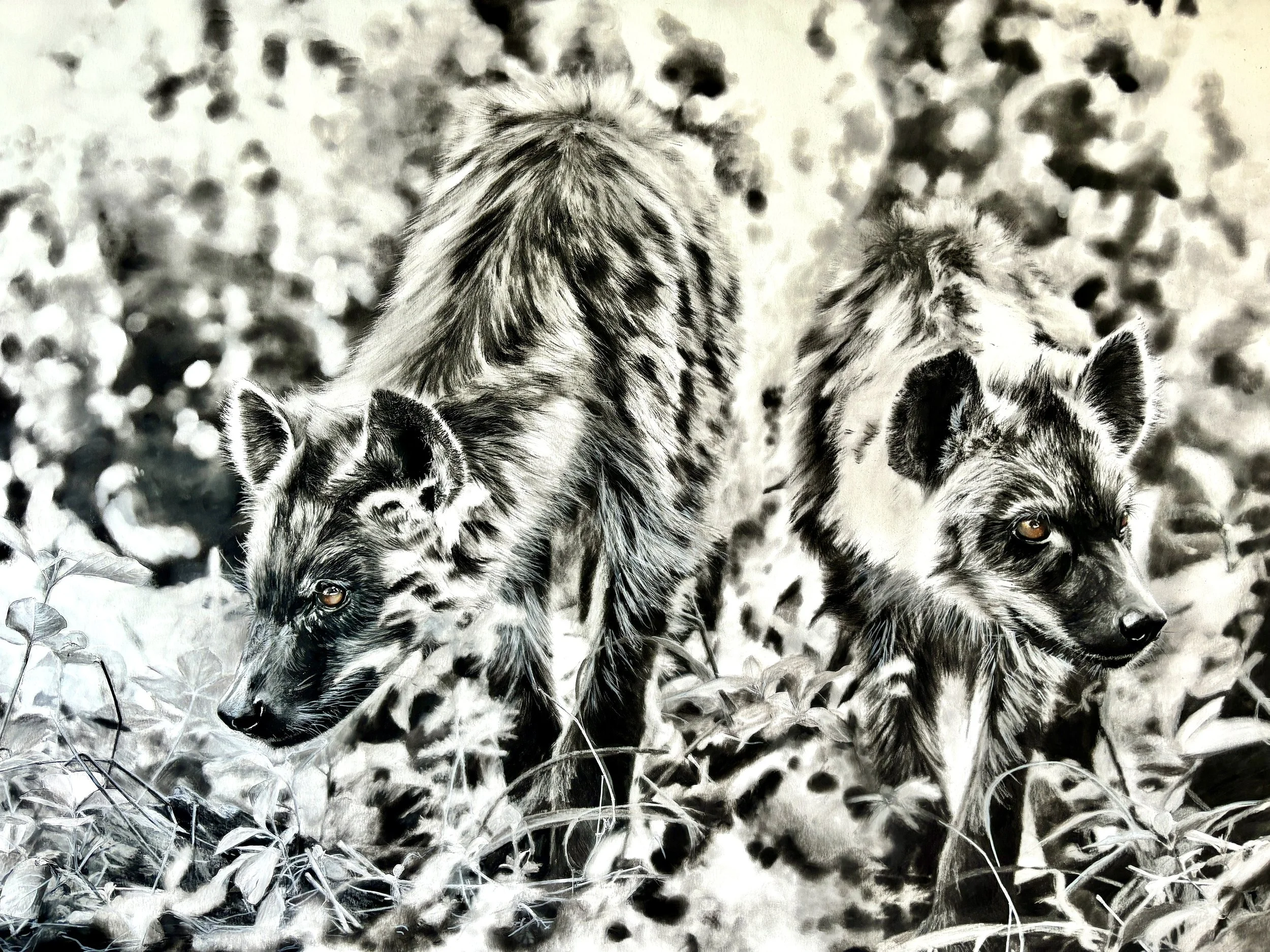
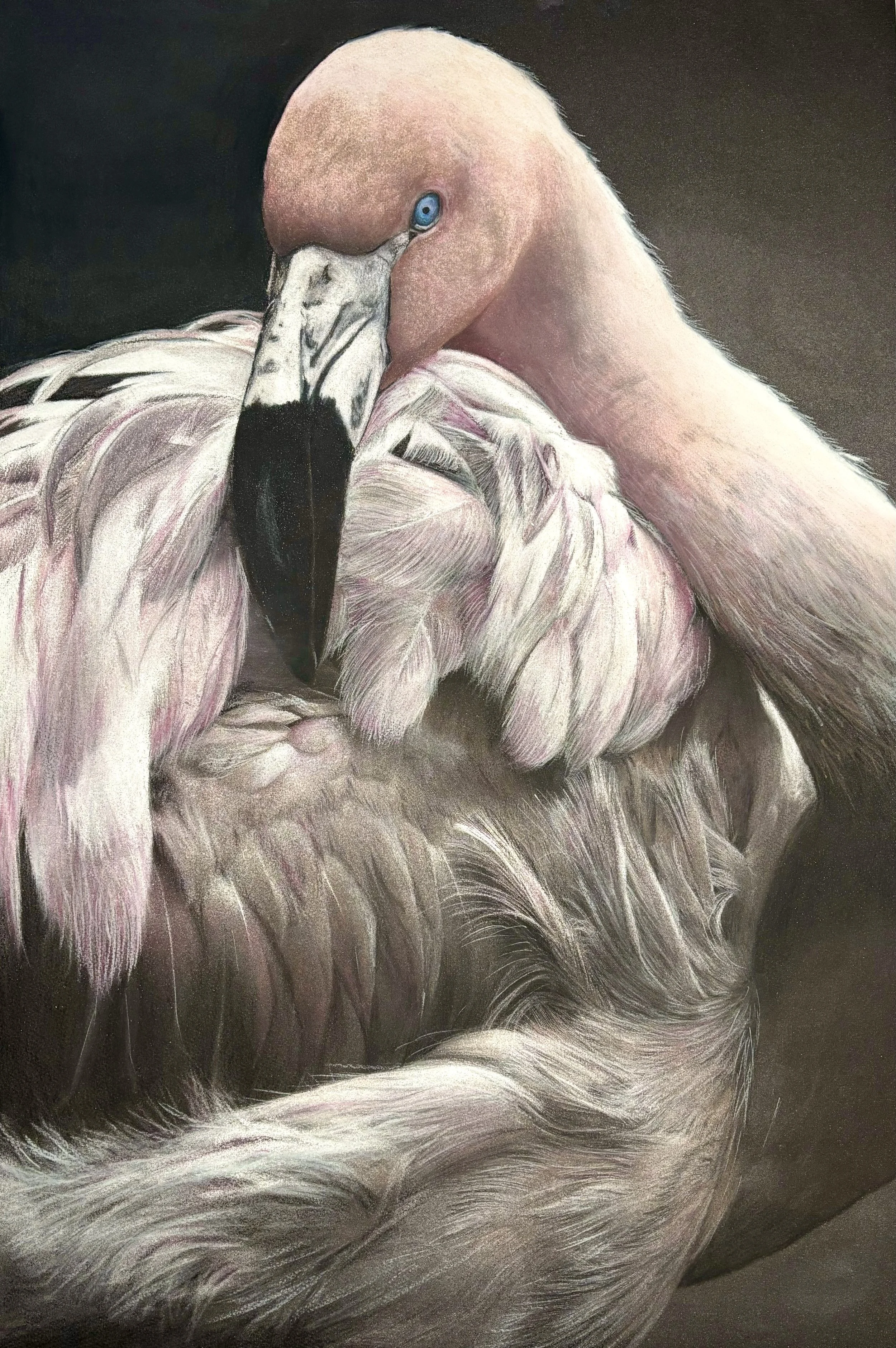
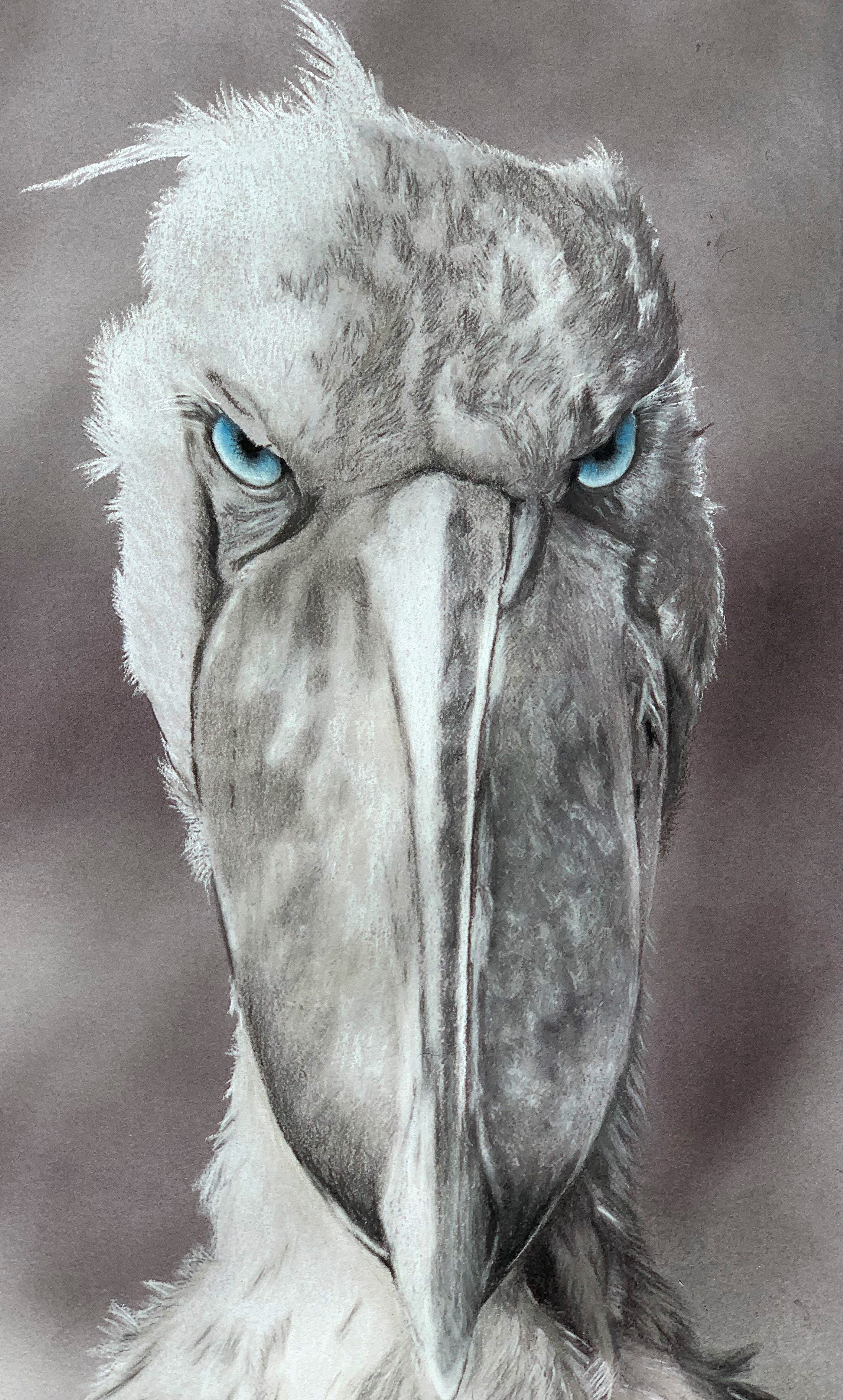
Collect artwork that carries meaning, mission, and impact.
Frequently Asked Questions
Why does endangered species art matter?
Endangered species art matters because it creates emotional connection, builds empathy, raises awareness, and transforms abstract extinction into personal responsibility and action.
How does art help protect endangered animals?
Art helps protect endangered animals by raising awareness, inspiring action, funding conservation, and building emotional connections that lead to long-term behavioural change.
What makes endangered species art different from regular wildlife art?
Endangered species art is purpose-driven and impact-focused, created to protect species and ecosystems rather than purely for decoration.
Can art really influence conservation?
Yes. Art influences conservation by shaping culture, values, behaviour, and emotional connection, which directly impacts how societies protect wildlife.
Why is emotional connection important for conservation?
Emotional connection is important because people protect what they care about, and care is driven by empathy, identity, and meaning — not information alone.
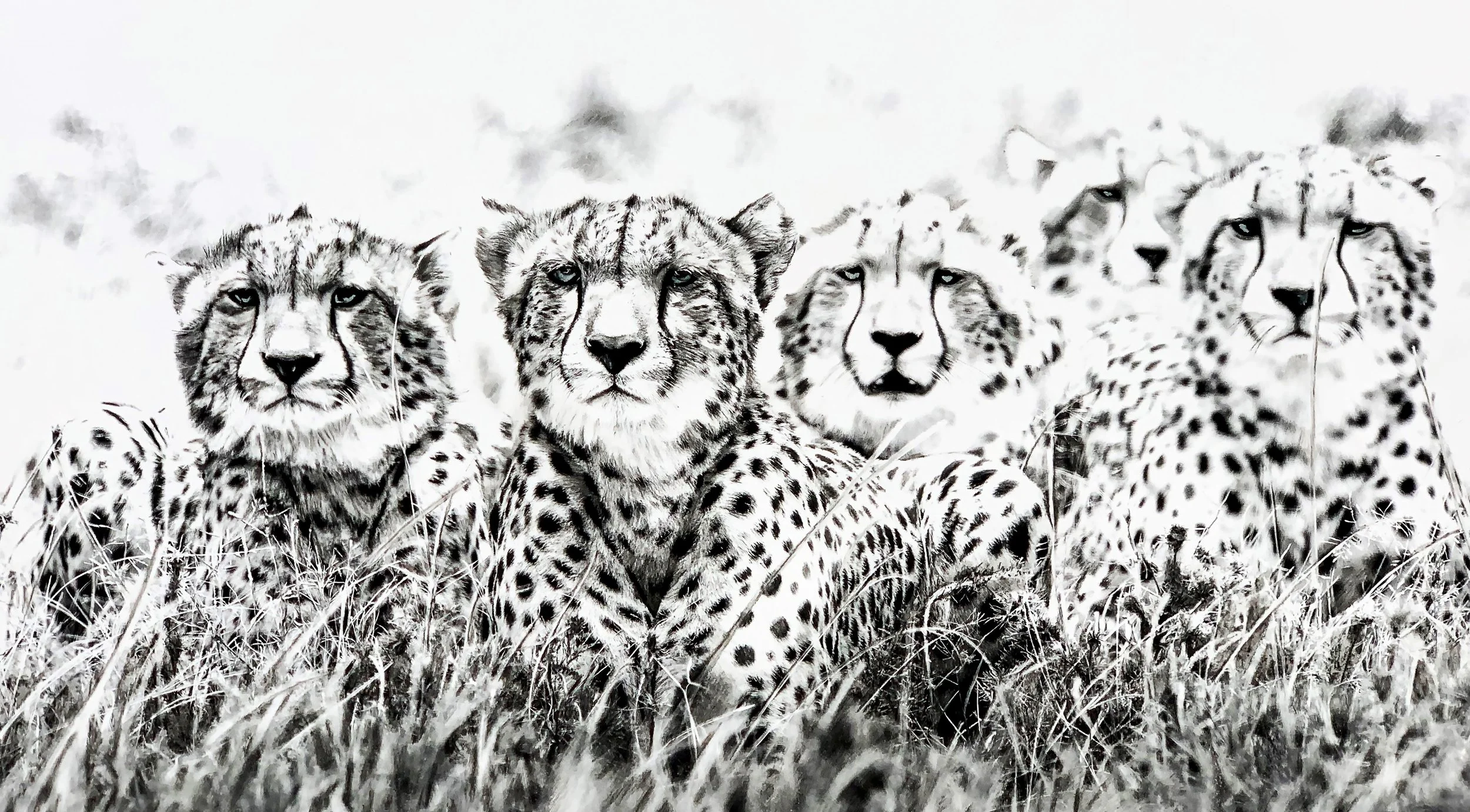
Art as Activism: When Creativity Becomes Conservation
Art as activism transforms creativity into a powerful tool for conservation by raising awareness, changing behaviour, and inspiring action to protect endangered species. Through visual storytelling and emotional connection, art becomes a force for environmental protection and cultural change.
Art as activism transforms creativity into a powerful tool for conservation by raising awareness, changing behaviour, and inspiring action to protect endangered species. Through visual storytelling and emotional connection, art becomes a force for environmental protection and cultural change.
When Art Becomes More Than Expression
Art has always shaped culture, beliefs, and values. It influences how societies think, what they normalise, and what they protect. But today, art is evolving beyond expression. It is becoming action. Art is no longer only about beauty. It is about responsibility. It is about meaning. It is about protection. This is where creativity becomes conservation.
The Rise of Art as Activism
Art as activism is not protest art alone. It is not slogans or signs. It is not noise. It is influence. It is the use of creativity to shift cultural values, shape public opinion, create emotional connection, build collective identity, and inspire behavioural change. Art becomes a silent persuader — shaping choices, values, and priorities without force.
Why Visual Storytelling Creates Change
We are visual beings. We process images faster than text. We remember visuals longer than data. We respond emotionally before logically. Visual storytelling builds empathy, creates memory, forms emotional attachment, humanises abstract issues, and makes distant problems feel personal. This is why art is powerful in conservation — it transforms global crises into personal responsibility.
Creativity as a Conservation Tool
Creativity becomes conservation when it educates without lecturing, persuades without pressure, inspires without fear, and mobilises without force. Art becomes awareness, education, advocacy, funding, and cultural change. This is conservation beyond science — it is conservation through culture.
How Art Changes Human Behaviour
Behaviour change begins with identity. People protect what they identify with. They defend what they emotionally connect to. They support what reflects their values. Art creates identity alignment, moral connection, emotional loyalty, and community belonging. This transforms spectators into protectors.
From Awareness to Action
Awareness alone does not protect species. Emotion does. Connection does. Meaning does. Identity does. Art bridges the gap between knowing, caring, and acting. This is the missing link in conservation movements. When Art builds movements, movements are built on shared values, collective identity, common purpose, emotional alignment, and mission-driven community. This turns art into a social force, not a product.
How Endangered Inks Turns Art Into Conservation
Endangered Inks exists to transform creativity into protection. Create a purpose. Every piece of art is a conservation message, a storytelling tool, an emotional bridge, a cultural signal, and a protection mechanism. This is art designed not just to be seen — but to save what it represents.
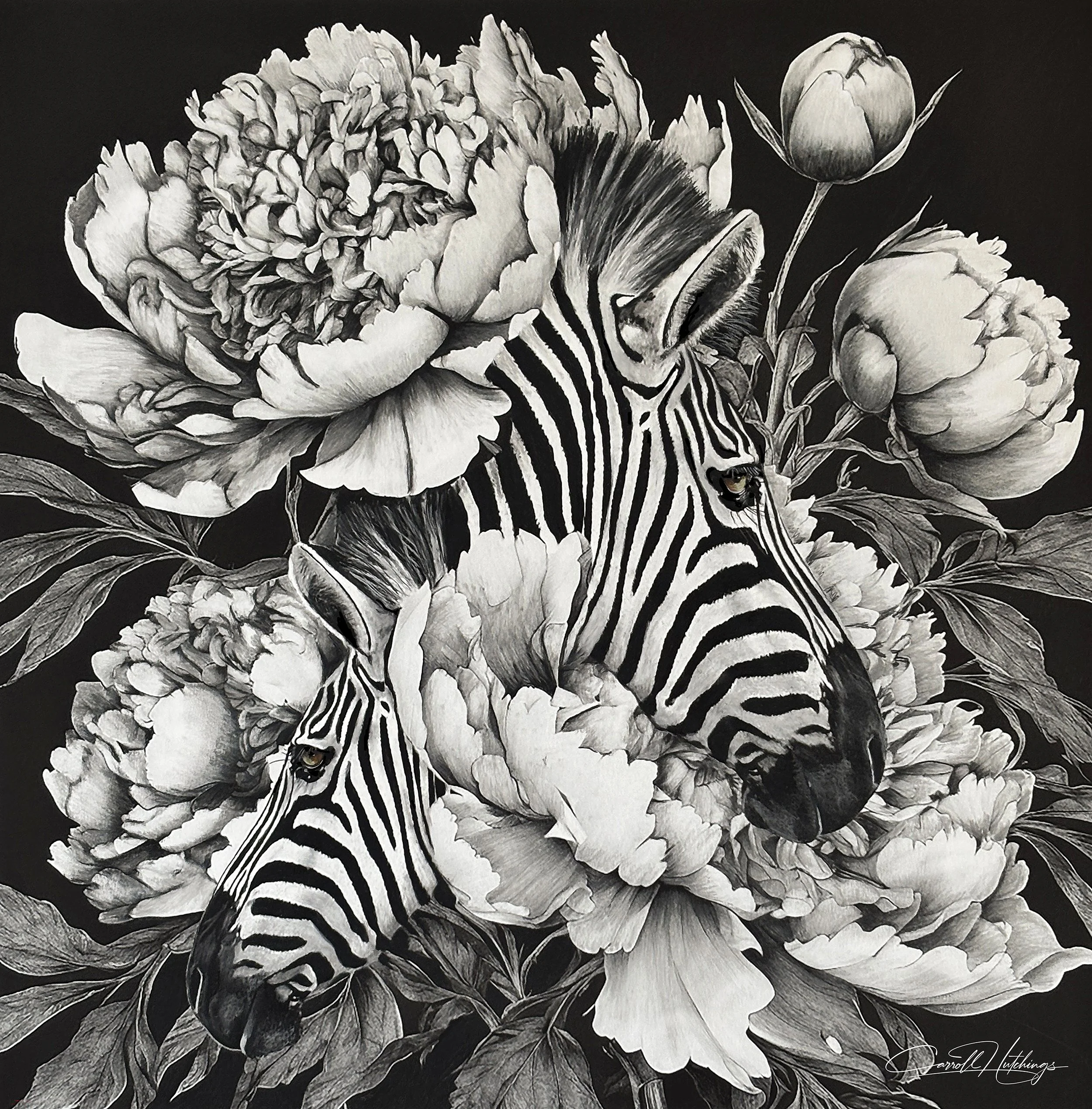
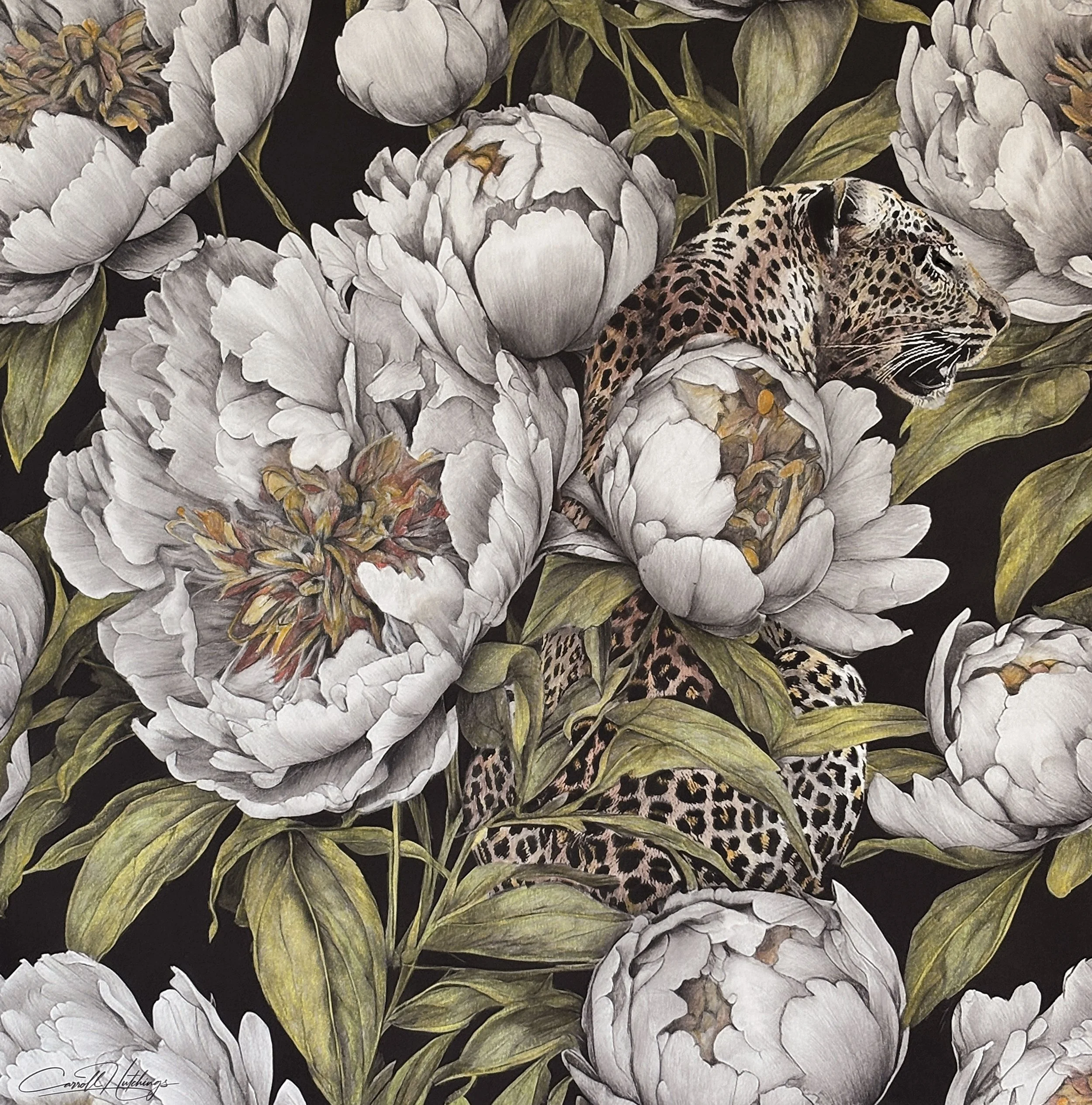
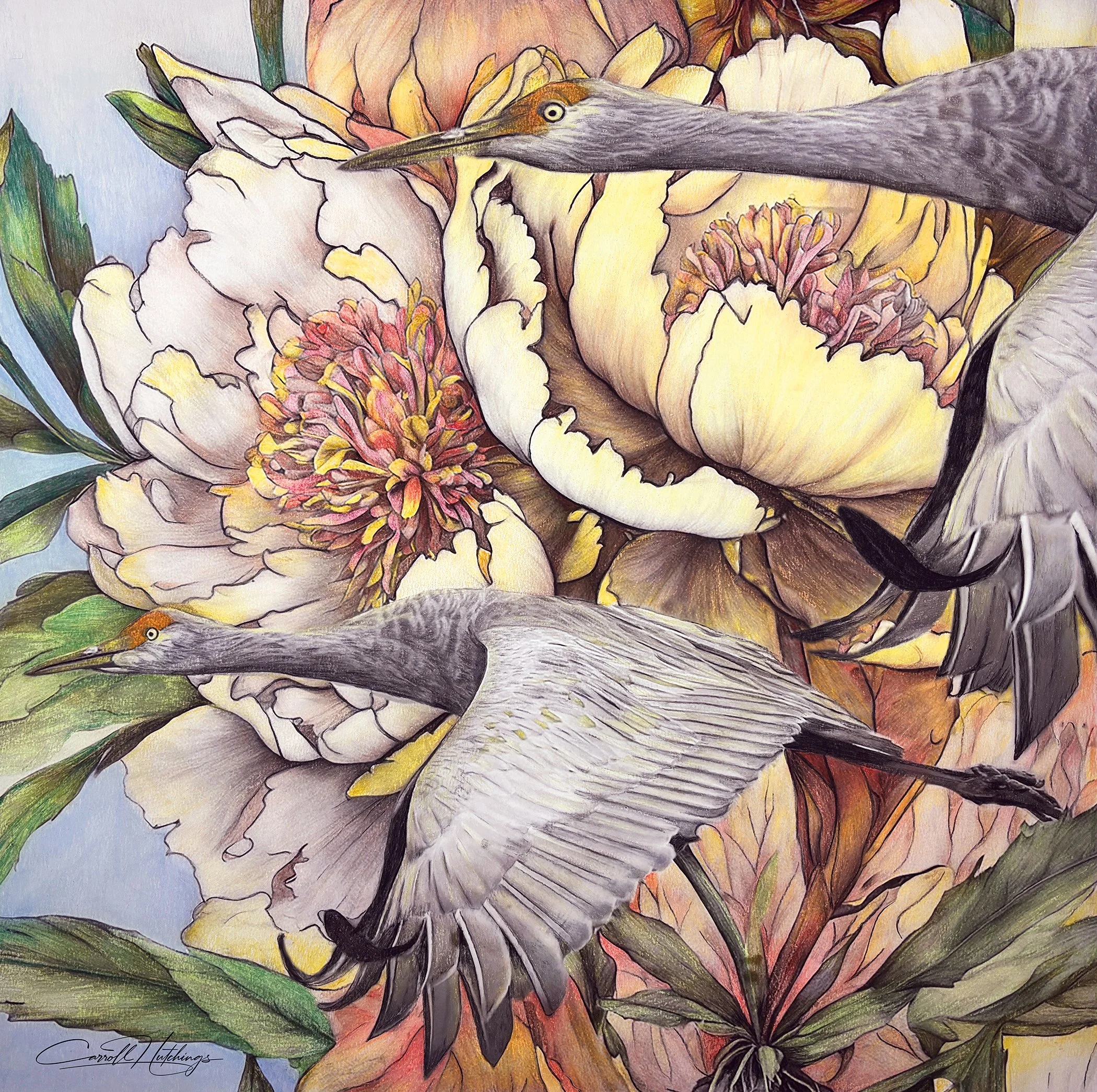
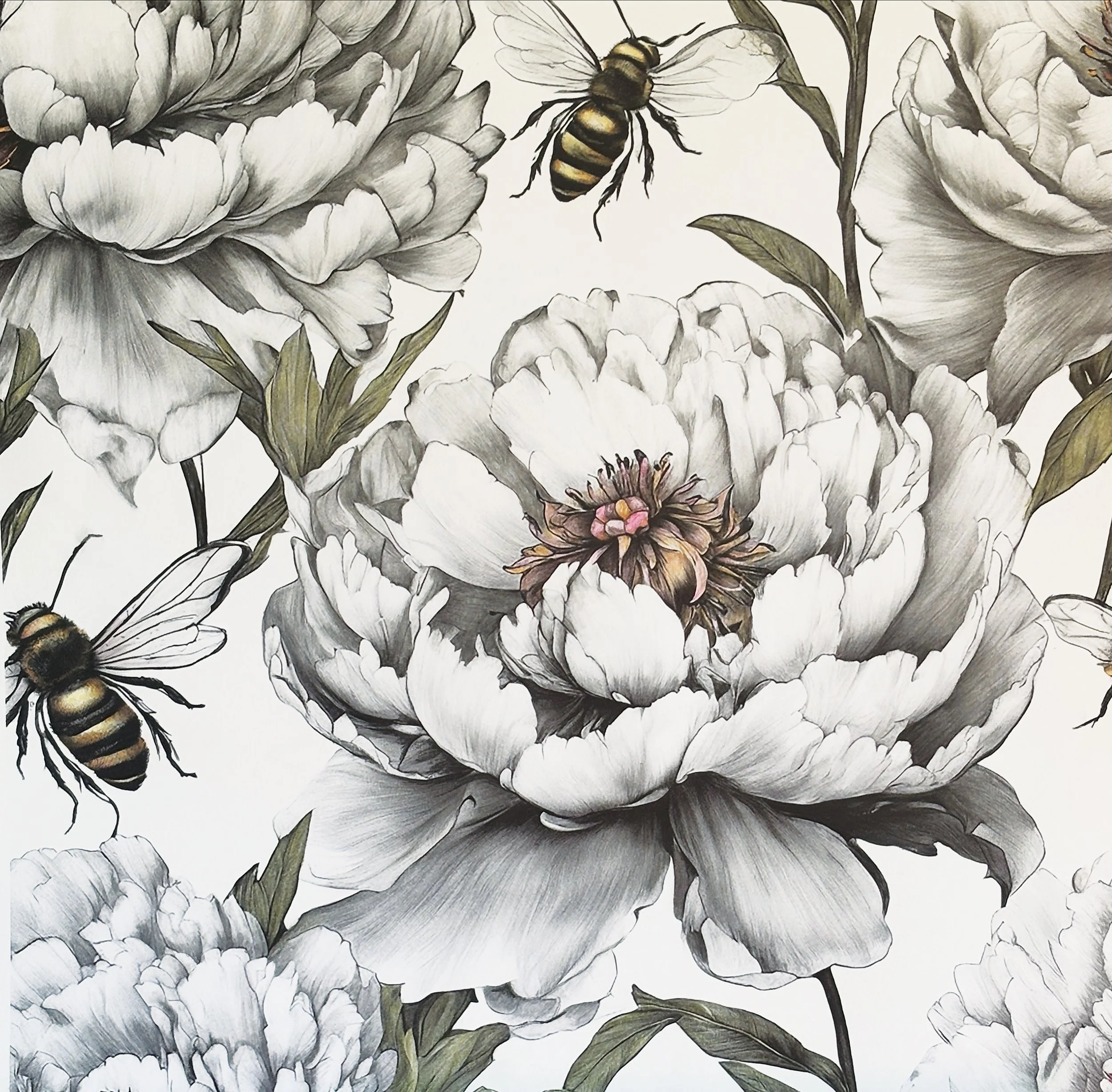
Art can be beautiful. Art can be powerful. Art can protect life. Collect art with meaning, mission, and impact.
Frequently Asked Questions
What does art as activism mean?
Art as activism means using creativity as a tool for social and environmental change by influencing culture, values, and behaviour.
How can creativity help conservation?
Creativity helps conservation by building emotional connection, raising awareness, inspiring action, and funding protection efforts through storytelling and visual influence.
Why is visual storytelling powerful for conservation?
Visual storytelling is powerful because it creates empathy, emotional memory, and personal connection that leads to behavioural change.
Can art really protect endangered species?
Yes. Art protects endangered species by raising awareness, funding conservation, influencing public behaviour, and building movements that support long-term protection.
What makes conservation art different from regular art?
Conservation art is purpose-driven, impact-focused, and mission-led, created to protect species and ecosystems rather than purely for decoration.
How Wildlife Art Helps Protect Endangered Species
Wildlife art plays a powerful role in protecting endangered species by creating emotional connections, raising awareness, changing human behaviour, and funding conservation efforts. Through visual storytelling, art transforms passive awareness into active protection, turning creativity into conservation action.
Wildlife art plays a powerful role in protecting endangered species by creating emotional connections, raising awareness to help change behaviour, and funding conservation efforts. Through visual storytelling, art transforms passive awareness into active protection, turning the creation of beautiful art into conservation action.
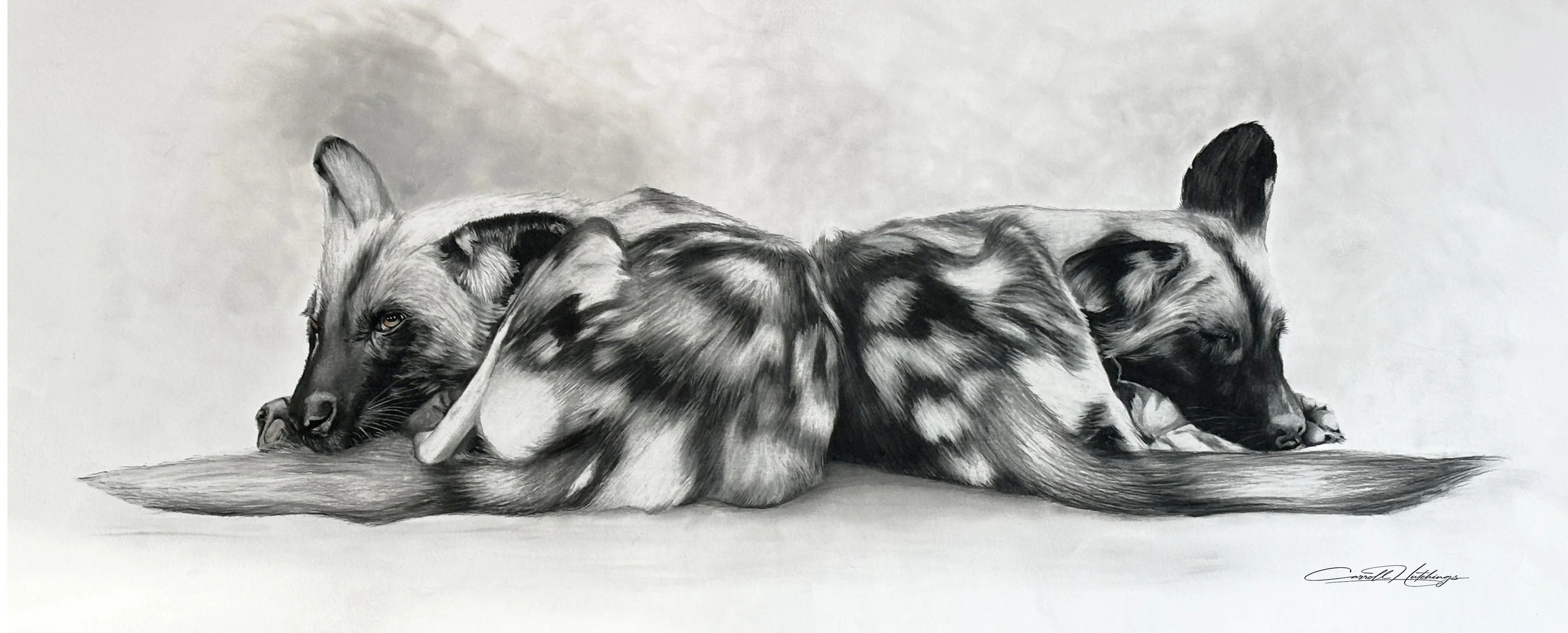
‘Endangered Inks Sleep Alert’
The Extinction Crisis We Can No Longer Ignore
Species extinction is no longer a distant threat — it is happening now.
Habitat destruction, climate change, illegal wildlife trade, and ecosystem collapse are pushing animals toward extinction at an unprecedented rate. Scientists estimate that species are disappearing 100–1,000 times faster than natural background extinction rates. But data alone doesn’t move people. Statistics don’t create empathy. Numbers don’t create connection. Humans protect what they emotionally connect with — and this is where art becomes powerful.

‘Endangered Inks Baby Foraging’
Why Art Creates Emotional Connection Where Data Fails
The human brain is wired for visual memory and emotional storytelling. We remember images far longer than facts. We respond emotionally before we respond logically.
Wildlife art I believe creates empathy, builds emotional attachment, humanises non-human life, transforms animals into relatable individuals, and makes extinction personal rather than abstract.
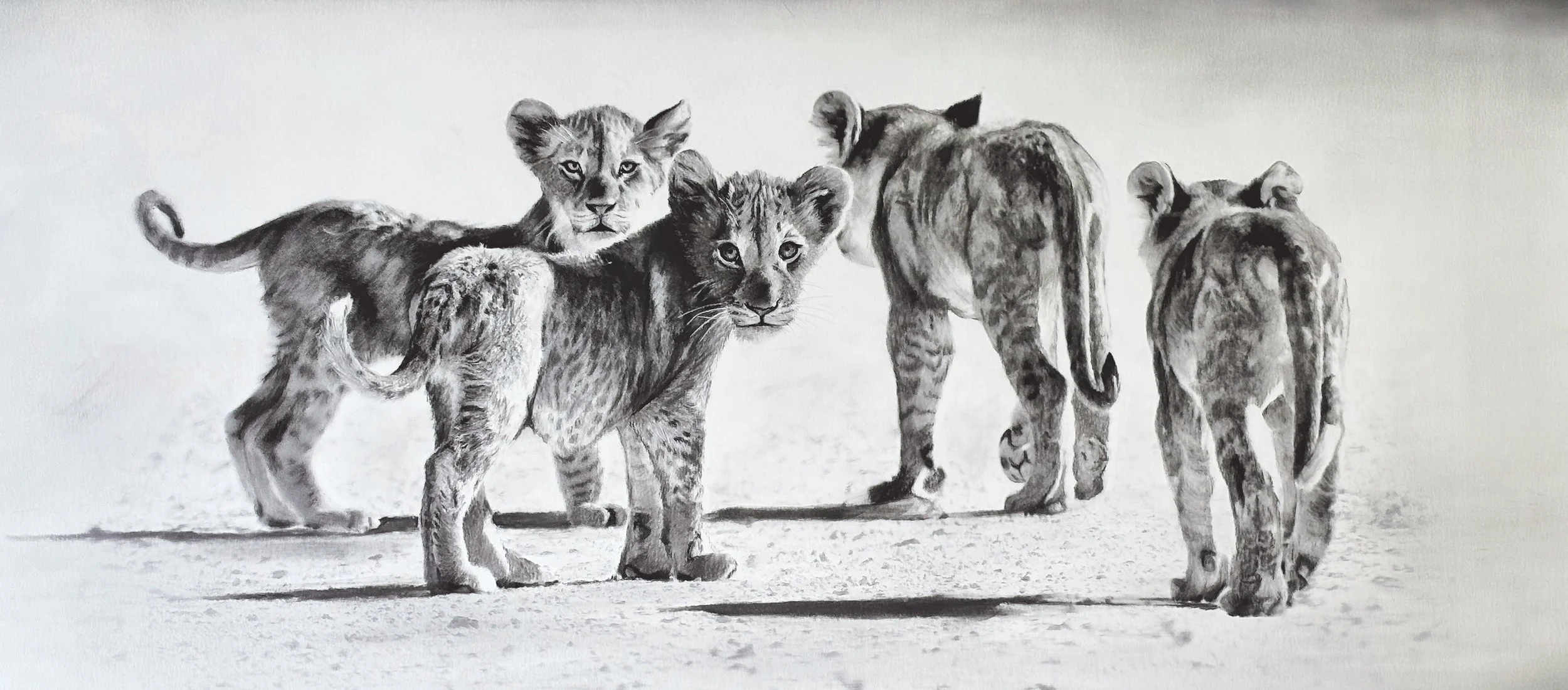
‘Endangered Inks Lost Cubs’
Visual Storytelling as a Conservation Tool
Art is as well as decoration, is also communication. Wildlife art can function as education, conservation storytelling, behavioural influence, cultural messaging, and moral persuasion. When people emotionally connect to an animal, they care. When they care, they act. When they act, conservation becomes possible.
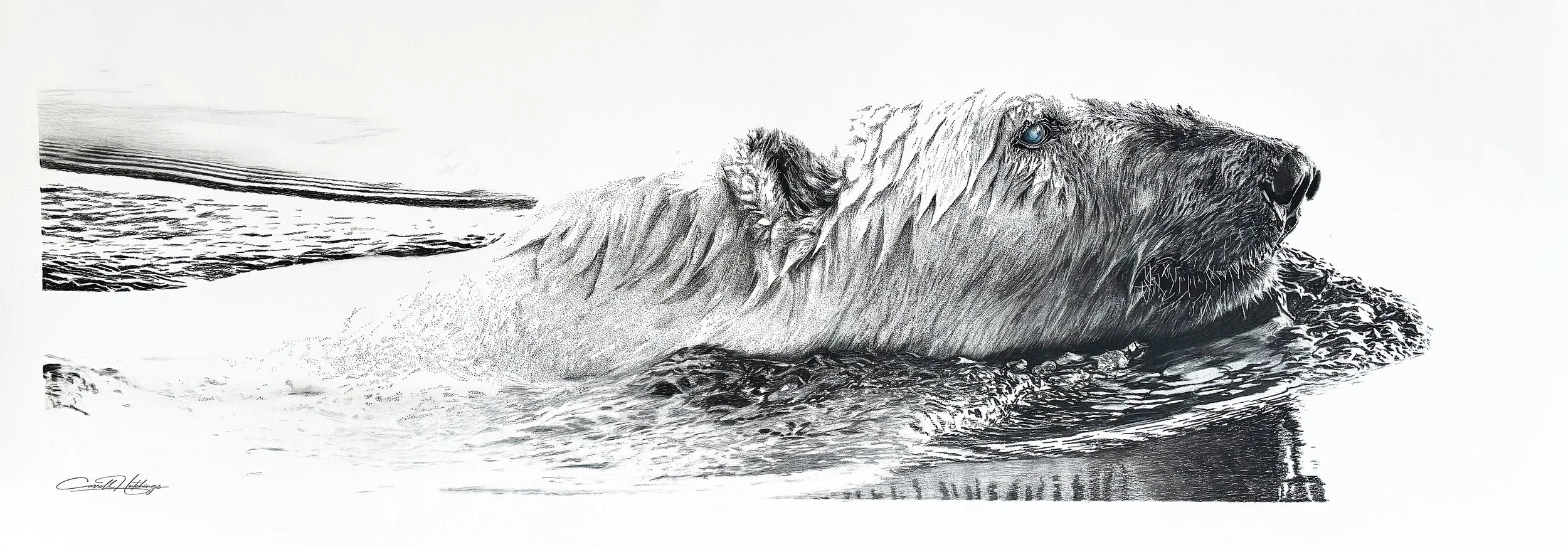
‘Endangered Inks Bath Time’
Wildlife Art Directly Supports Conservation
Wildlife art protects species in two ways…
Awareness Impact
Spreads conservation messages
Educates the public
Creates social sharing
Builds community movements
Normalises conservation values
Financial Impact
Funds conservation organisations
Supports habitat protection
Supports anti-poaching initiatives
Funds research and education
Creates sustainable conservation income streams
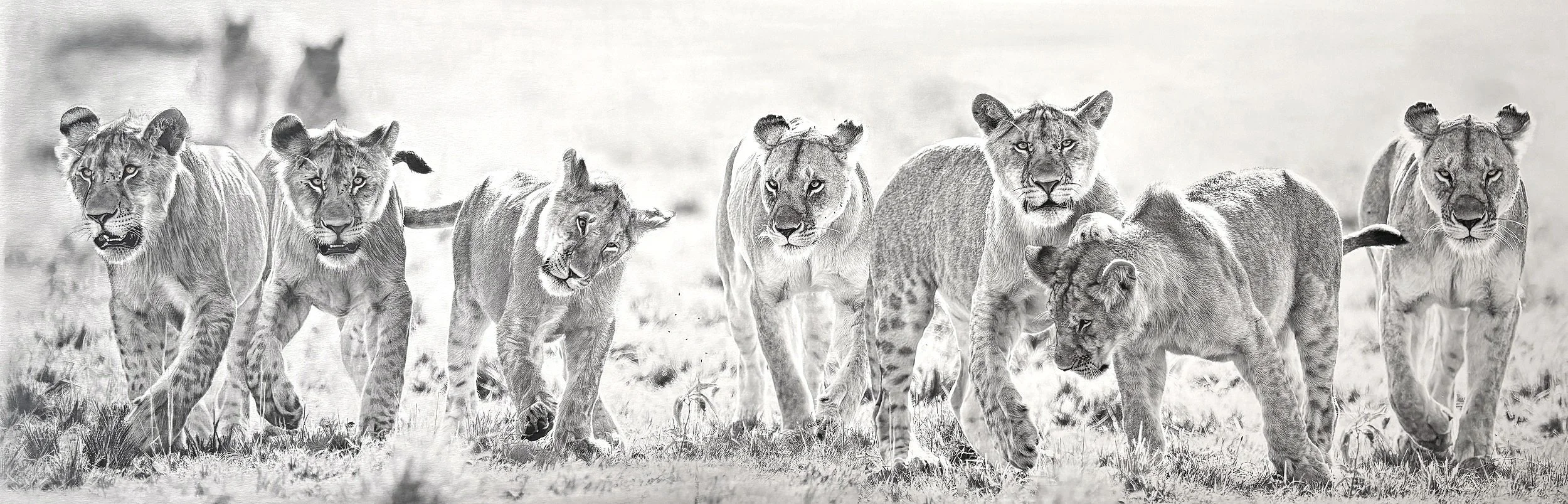
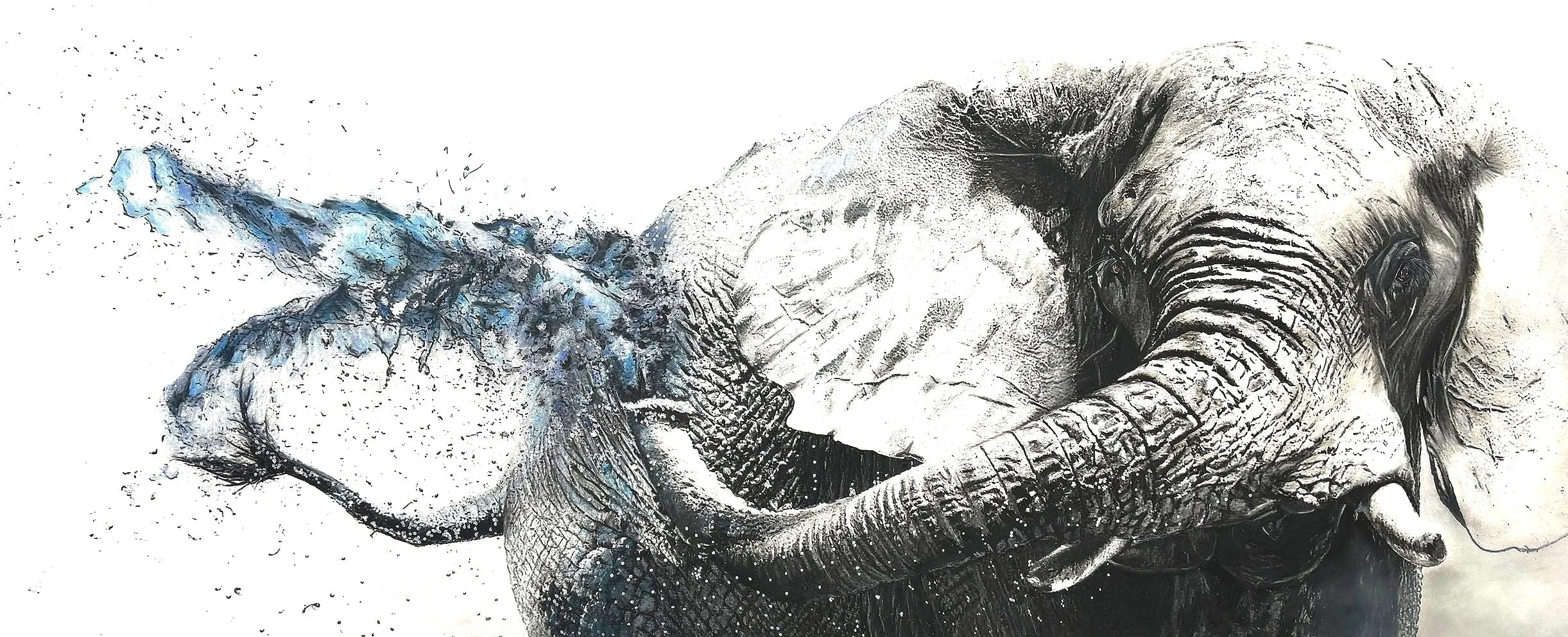
‘Endangered Inks The Next Generation’
The Role of Ethical Art in Species Protection
Ethical art collecting is growing rapidly. People no longer want objects — they want meaning.
Ethical wildlife art offers purpose-driven ownership, impact-based collecting, conservation support, legacy value, and identity alignment.
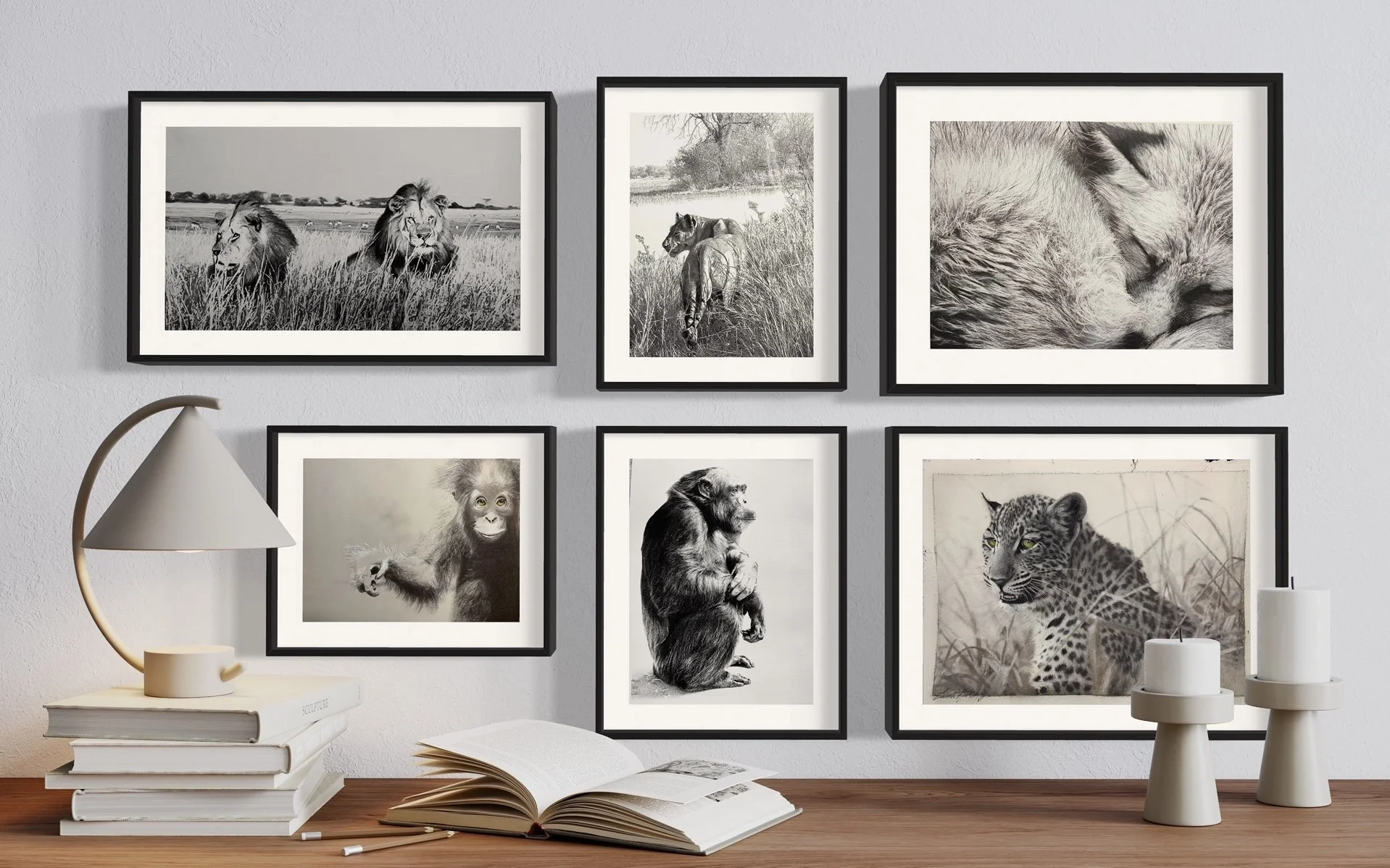
A Collection of ‘INKS’ created by Endangered Inks
Art as Activism, Not Decoration
Wildlife art is evolving into a form of activism. Not protest — but persuasion. Not noise — but influence. Not awareness — but action. Art becomes a silent advocate, a cultural signal, a moral statement, and a conservation tool.
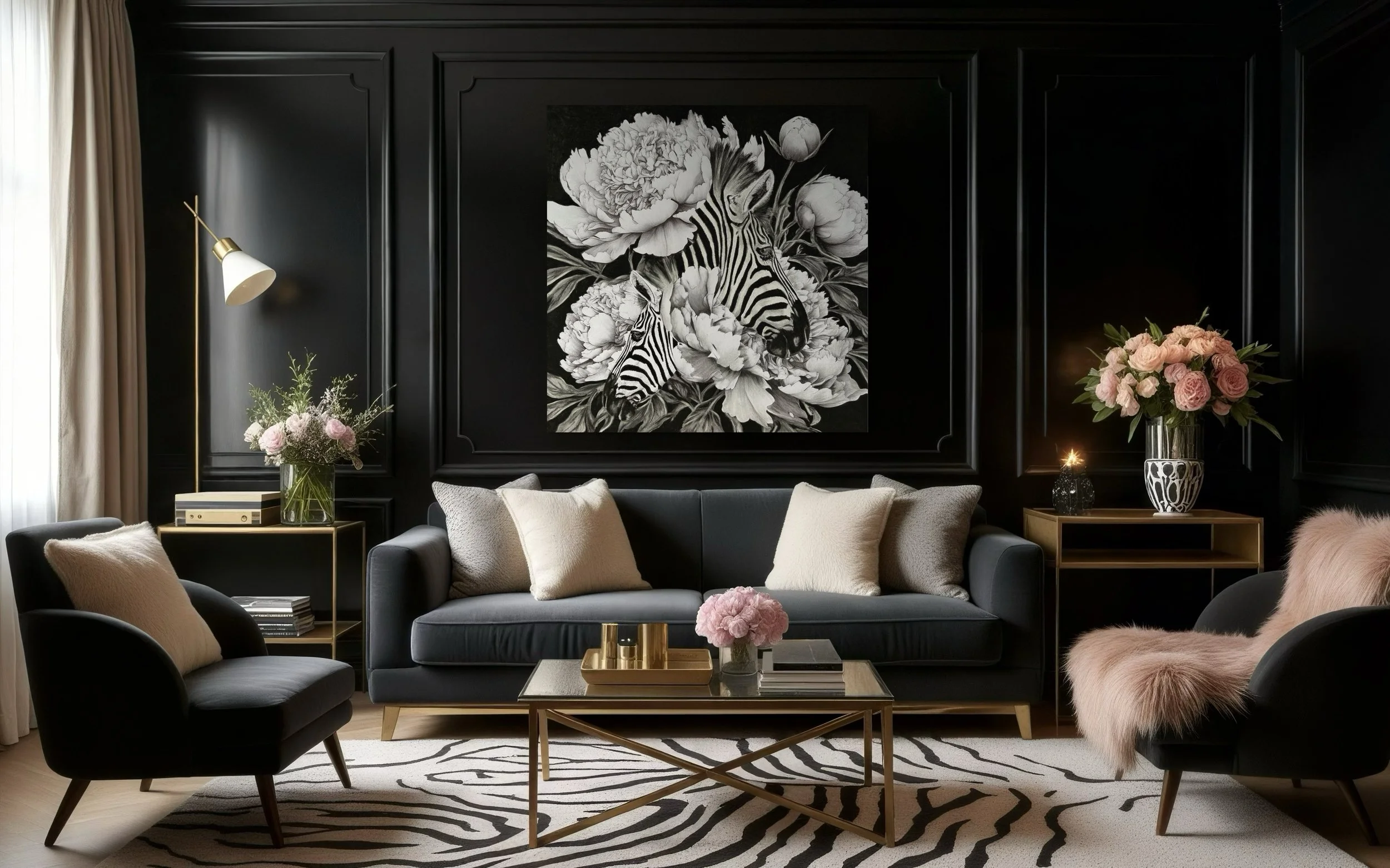
Endangered Inks Wild Peonies Limited Edition Collection, 20% of every sale is donated to conservation.
How Endangered Inks Connects Art to Impact
Endangered Inks was built on one simple belief: art should protect what it portrays. Every piece of artwork known as an INK exists to raise awareness, tell a story for each animal portrayed, build a connection, support conservation impact, and hopefully create a cultural change. 20% of all sales is donated to our conservation partners.
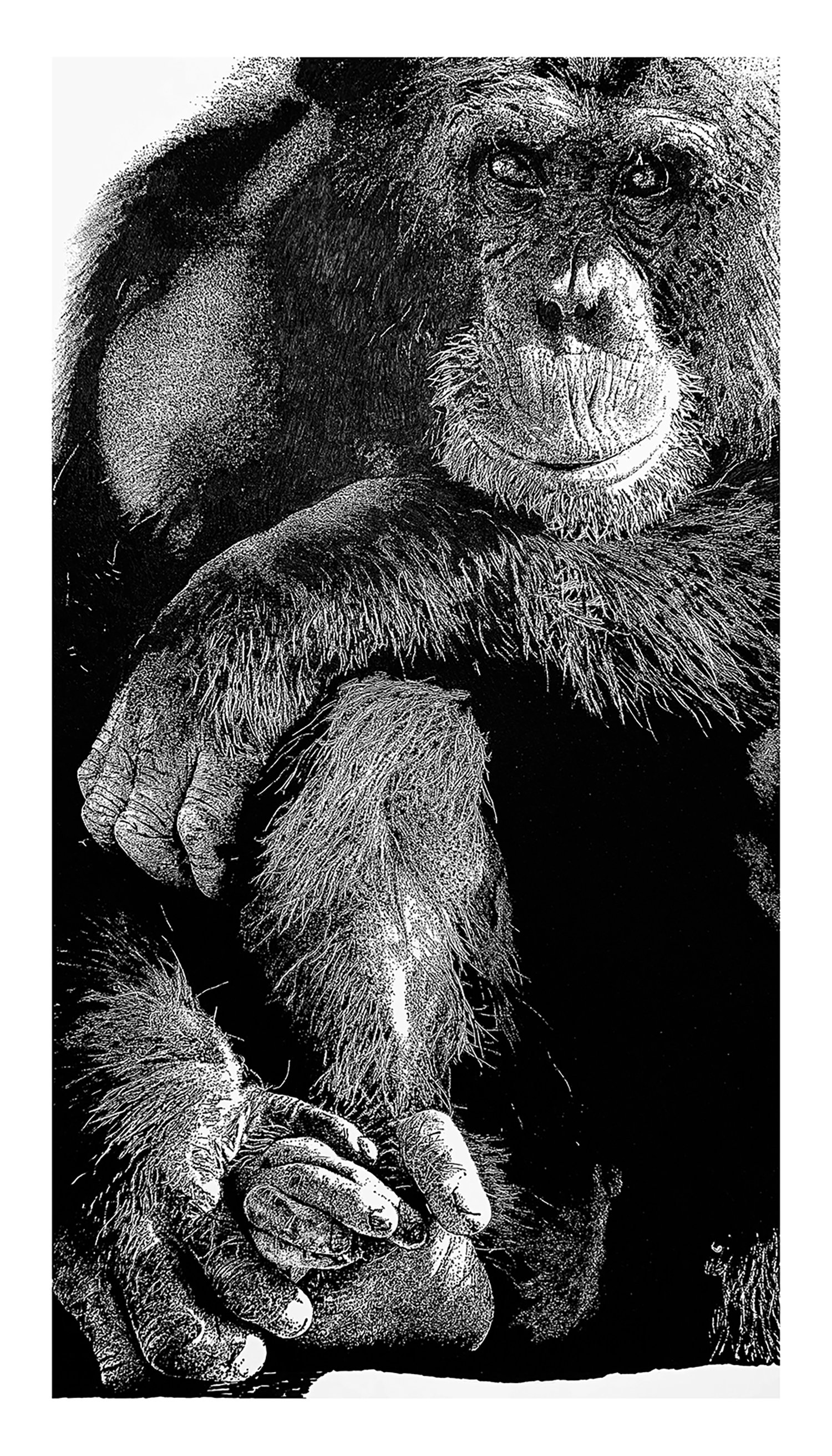

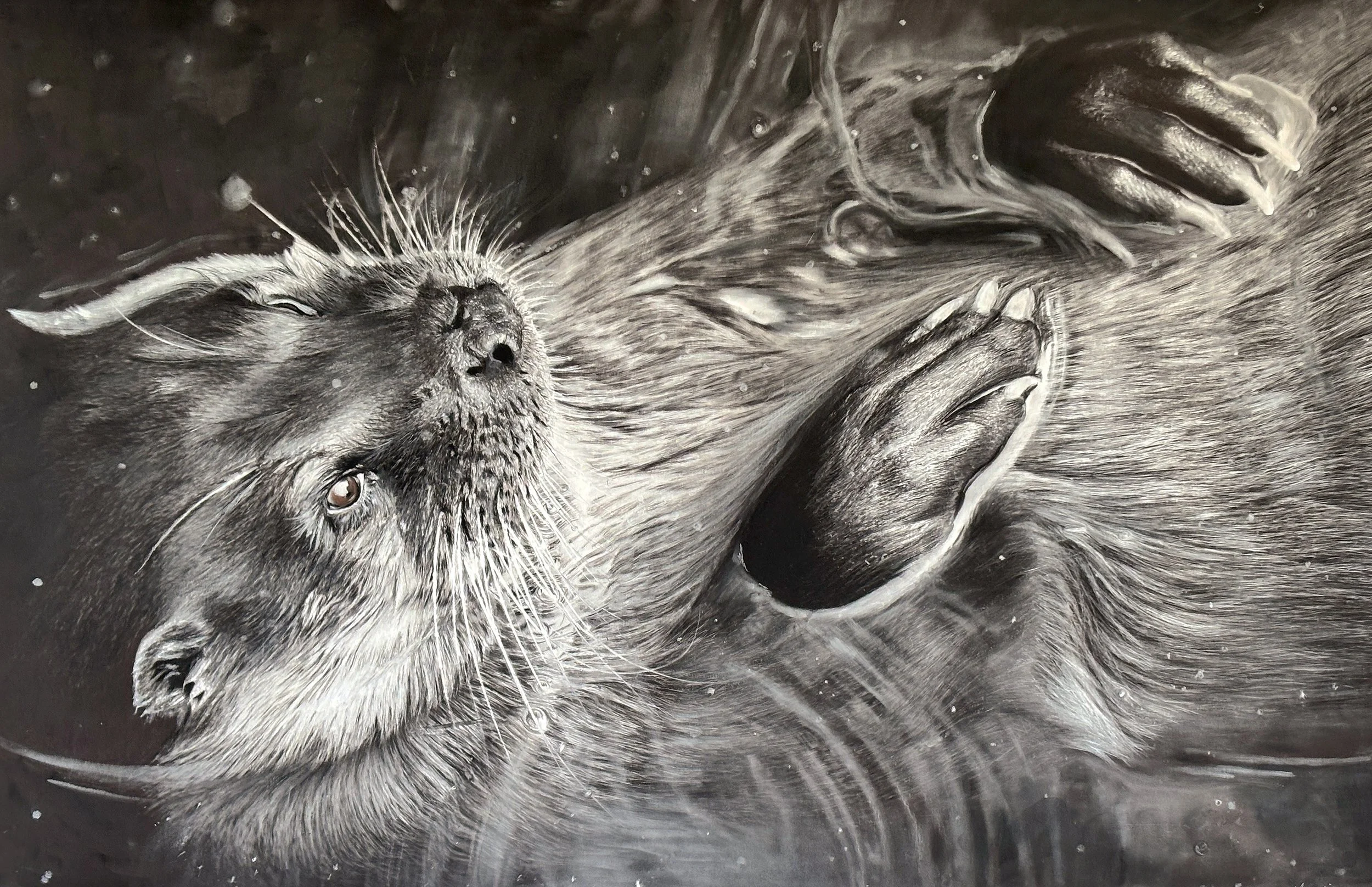
Protect a species you love through art.
Collect beautiful artwork that carries meaning, mission, and impact. Join a movement where creativity becomes conservation.
Frequently Asked Questions
How does art help protect endangered species?
Art protects endangered species by raising awareness, creating emotional connections, influencing human behaviour, funding conservation efforts, and inspiring public action through visual storytelling.
Why is wildlife art important for conservation?
Wildlife art is important because it creates empathy, spreads awareness, and transforms conservation from abstract data into emotional connection and action.
What is conservation art?
Conservation art is artwork created with the purpose of supporting environmental protection, endangered species awareness, and biodiversity conservation.
How can art support conservation organisations?
Art supports conservation organisations by generating funding, raising awareness, building communities, increasing visibility, and supporting educational initiatives.