Art as Activism: When Creativity Becomes Conservation
Art as activism transforms creativity into a powerful tool for conservation by raising awareness, changing behaviour, and inspiring action to protect endangered species. Through visual storytelling and emotional connection, art becomes a force for environmental protection and cultural change.
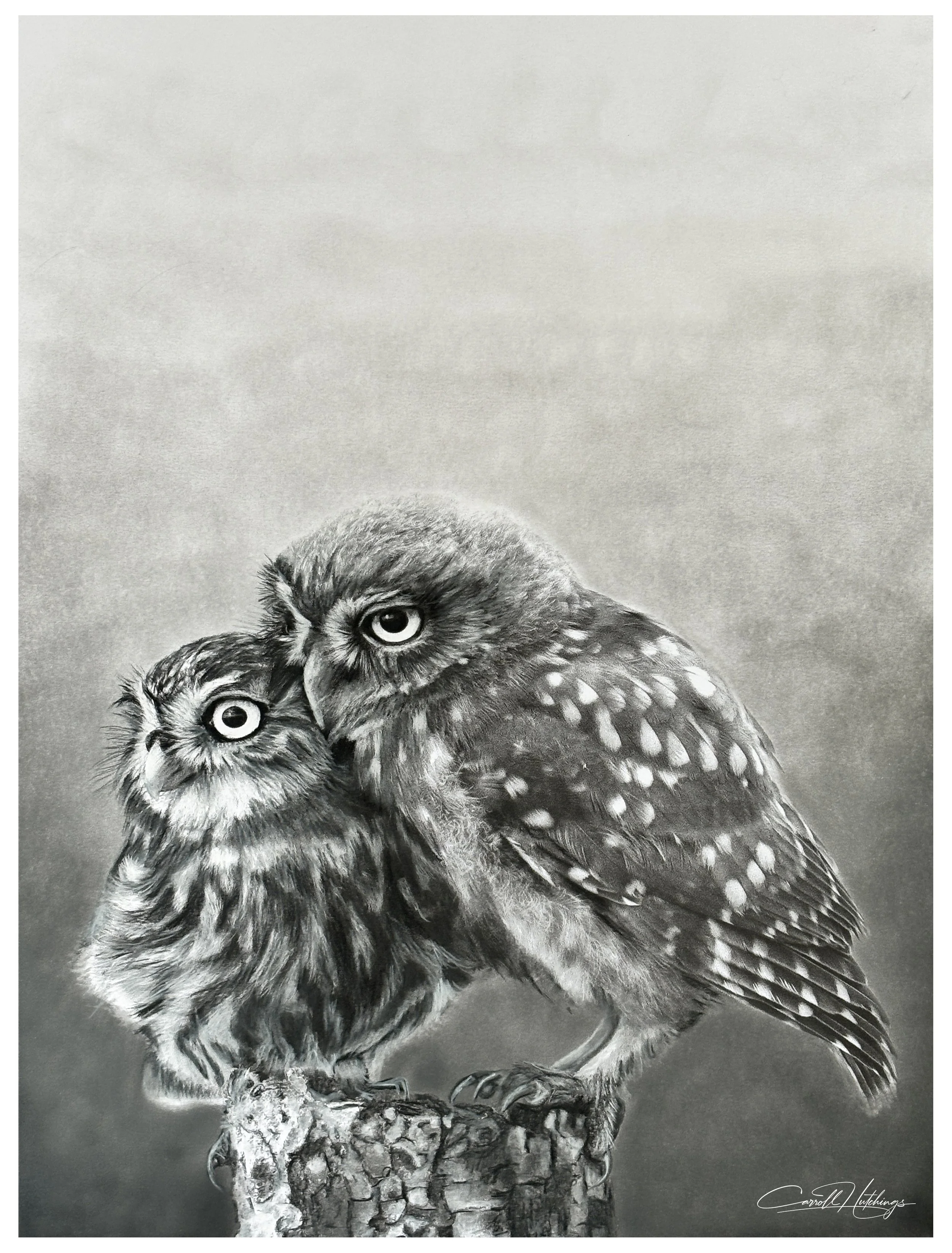
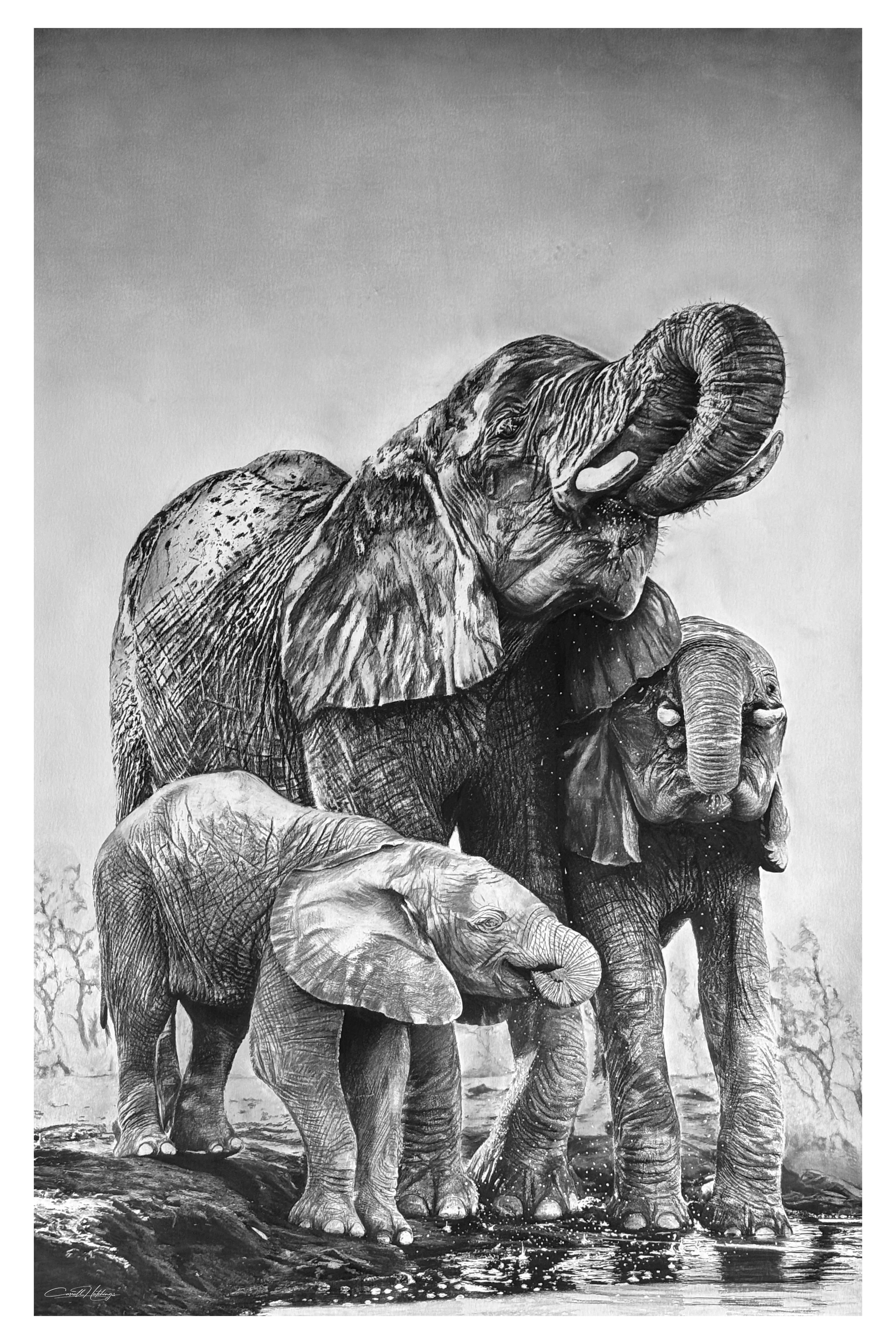
When Art Becomes More Than Expression
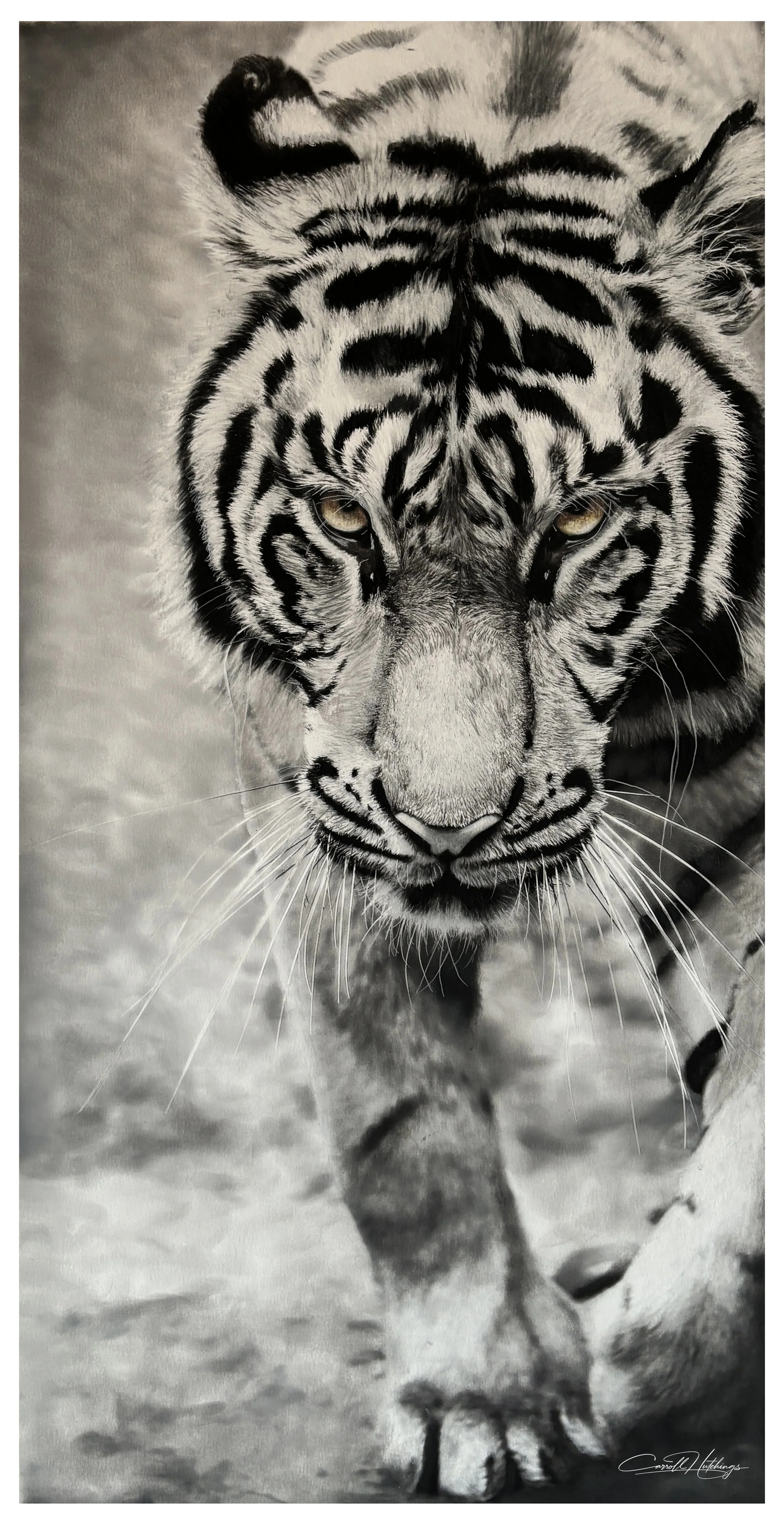
Art has always shaped culture, beliefs, and values. It influences how societies think, what they normalise, and what they protect. But today, art is evolving beyond expression. It is becoming action. Art is no longer only about beauty. It is about responsibility. It is about meaning. It is about protection. This is where creativity becomes conservation.
The Rise of Art as Activism
Art as activism is not protest art alone. It is not slogans or signs. It is not noise. It is influence. It is the use of creativity to shift cultural values, shape public opinion, create emotional connection, build collective identity, and inspire behavioural change. Art becomes a silent persuader — shaping choices, values, and priorities without force.
Why Visual Storytelling Creates Change
We are visual beings. We process images faster than text. We remember visuals longer than data. We respond emotionally before logically. Visual storytelling builds empathy, creates memory, forms emotional attachment, humanises abstract issues, and makes distant problems feel personal. This is why art is powerful in conservation — it transforms global crises into personal responsibility.
Creativity as a Conservation Tool
Creativity becomes conservation when it educates without lecturing, persuades without pressure, inspires without fear, and mobilises without force. Art becomes awareness, education, advocacy, funding, and cultural change. This is conservation beyond science — it is conservation through culture.
How Art Changes Human Behaviour
Behaviour change begins with identity. People protect what they identify with. They defend what they emotionally connect to. They support what reflects their values. Art creates identity alignment, moral connection, emotional loyalty, and community belonging. This transforms spectators into protectors.
From Awareness to Action
Awareness alone does not protect species. Emotion does. Connection does. Meaning does. Identity does. Art bridges the gap between knowing, caring, and acting. This is the missing link in conservation movements. When Art builds movements, movements are built on shared values, collective identity, common purpose, emotional alignment, and mission-driven community. This turns art into a social force, not a product.
How Endangered Inks Turns Art Into Conservation
Endangered Inks exists to transform creativity into protection. Create a purpose. Every piece of art is a conservation message, a storytelling tool, an emotional bridge, a cultural signal, and a protection mechanism. This is art designed not just to be seen — but to save what it represents.
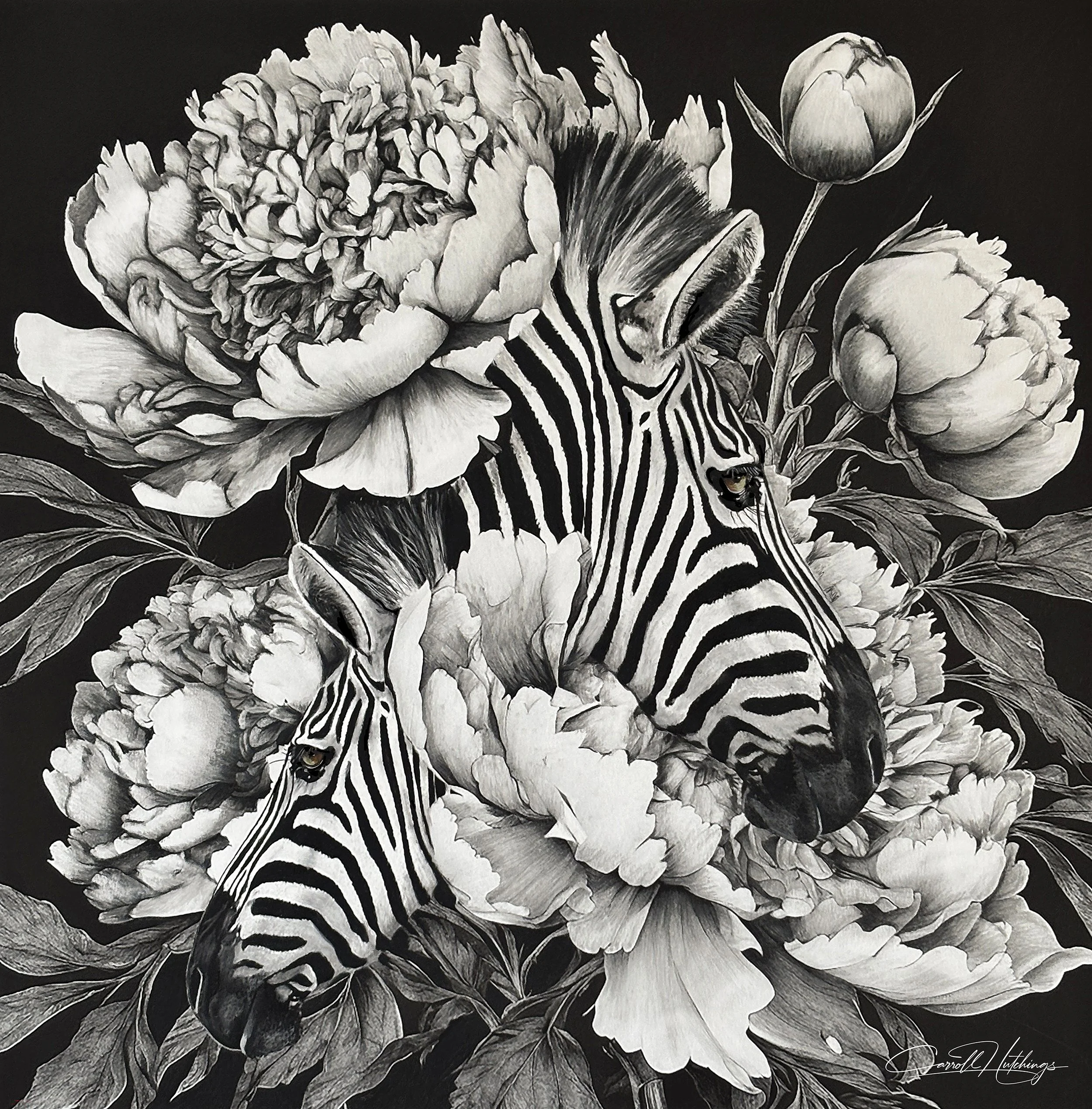
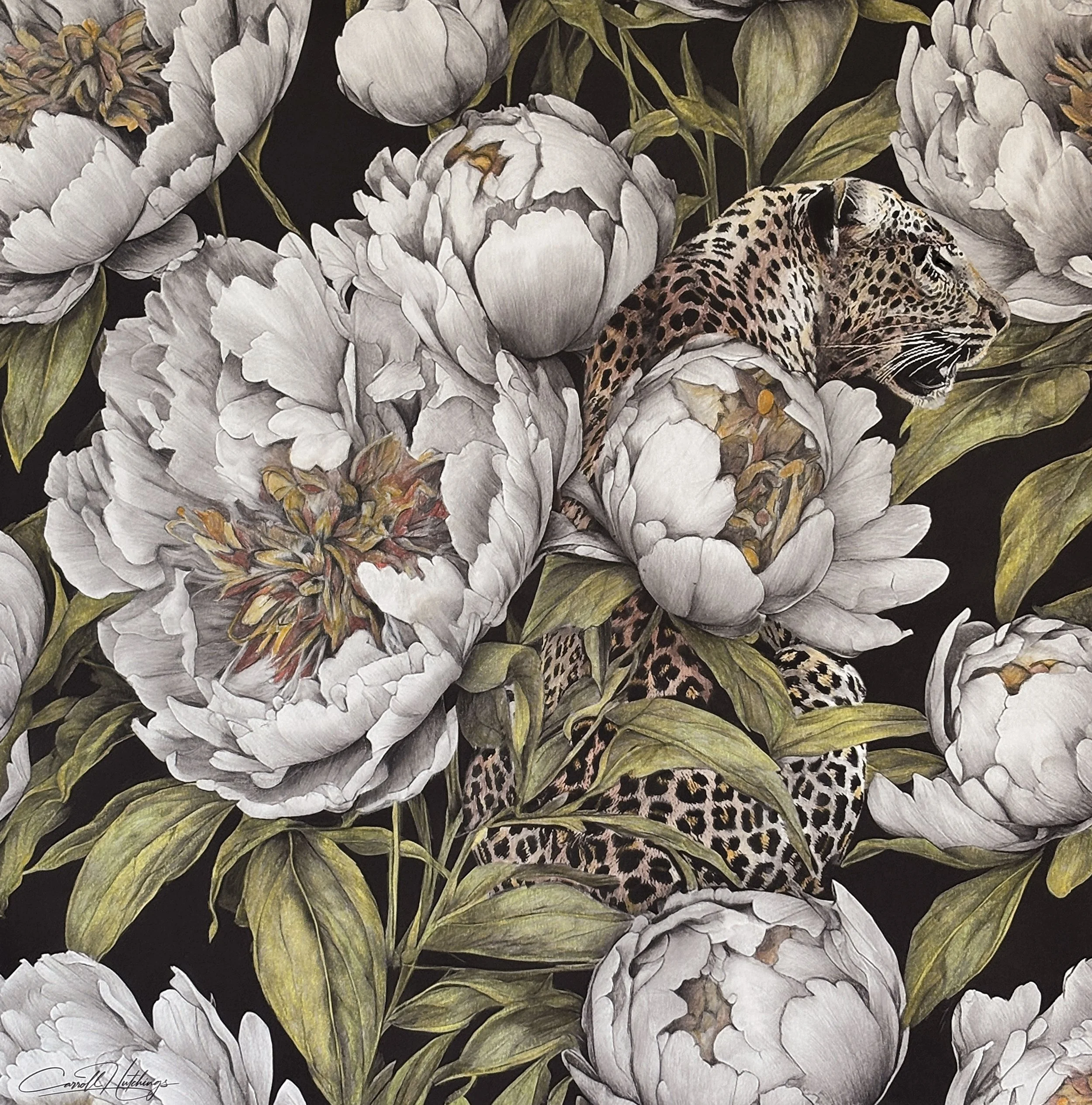
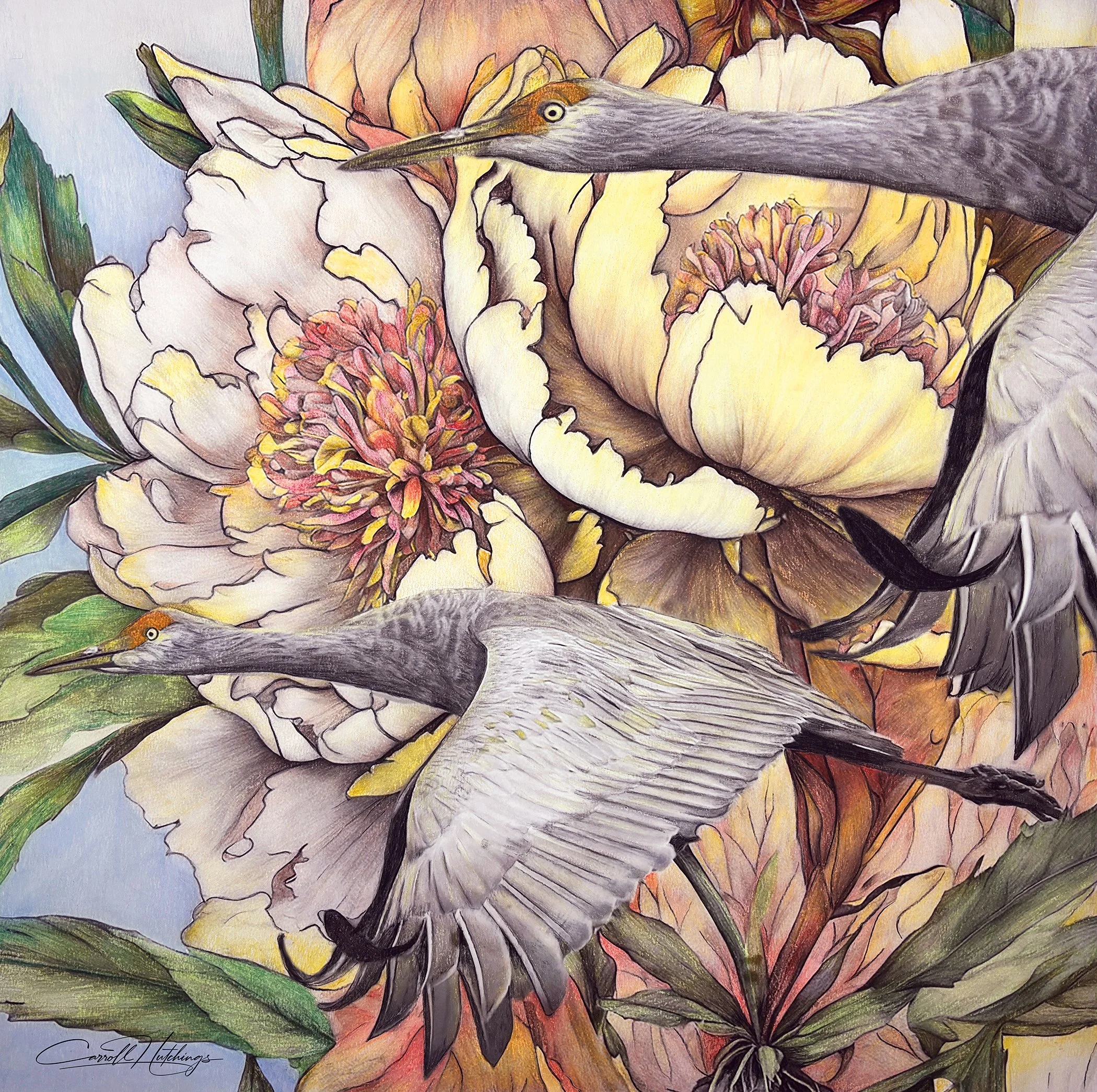
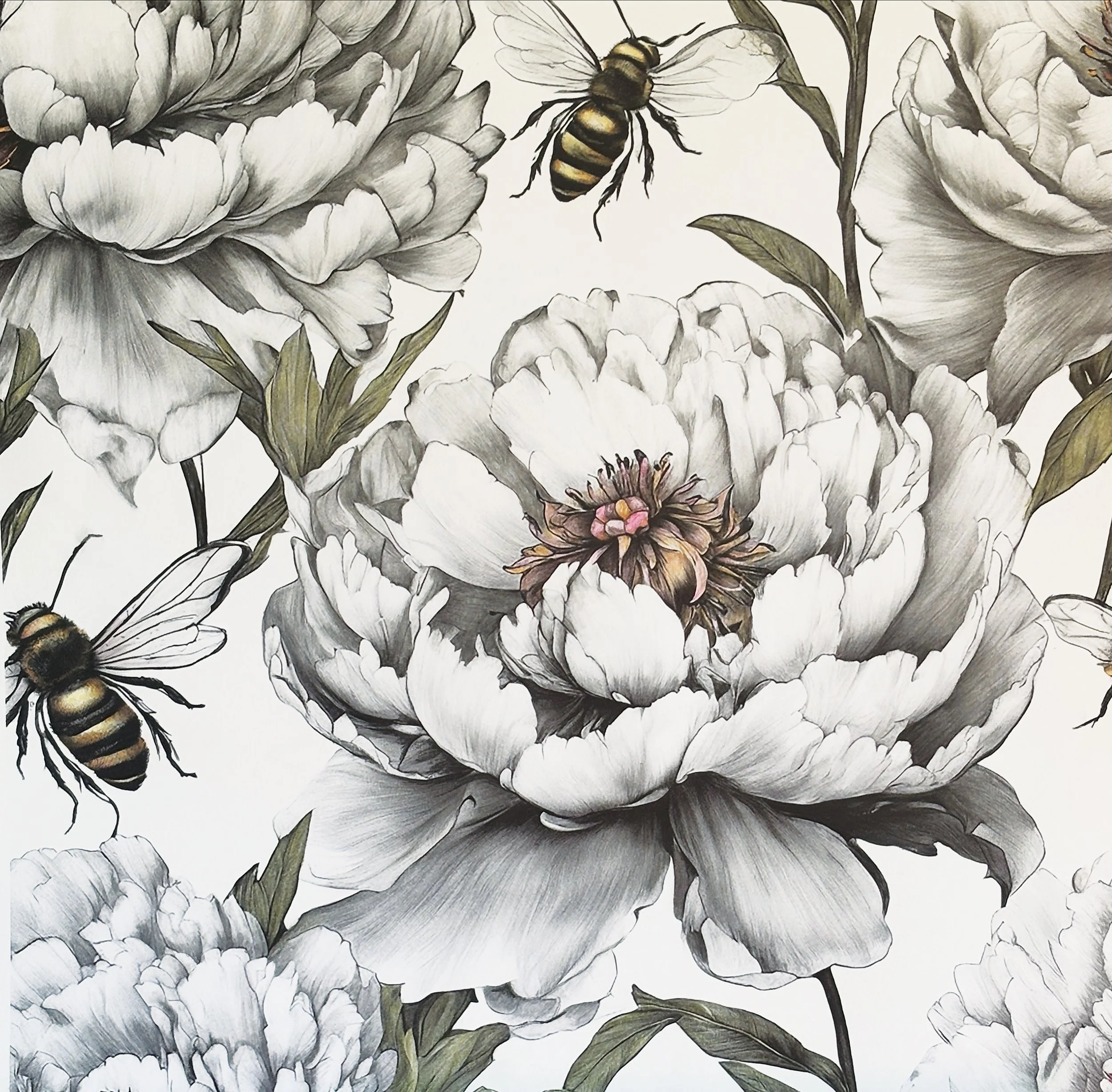
Art can be beautiful. Art can be powerful. Art can protect life. Collect art with meaning, mission, and impact.
Frequently Asked Questions
What does art as activism mean?
Art as activism means using creativity as a tool for social and environmental change by influencing culture, values, and behaviour.
How can creativity help conservation?
Creativity helps conservation by building emotional connection, raising awareness, inspiring action, and funding protection efforts through storytelling and visual influence.
Why is visual storytelling powerful for conservation?
Visual storytelling is powerful because it creates empathy, emotional memory, and personal connection that leads to behavioural change.
Can art really protect endangered species?
Yes. Art protects endangered species by raising awareness, funding conservation, influencing public behaviour, and building movements that support long-term protection.
What makes conservation art different from regular art?
Conservation art is purpose-driven, impact-focused, and mission-led, created to protect species and ecosystems rather than purely for decoration.