How Wildlife Art Helps Protect Endangered Species
Wildlife art plays a powerful role in protecting endangered species by creating emotional connections, raising awareness to help change behaviour, and funding conservation efforts. Through visual storytelling, art transforms passive awareness into active protection, turning the creation of beautiful art into conservation action.
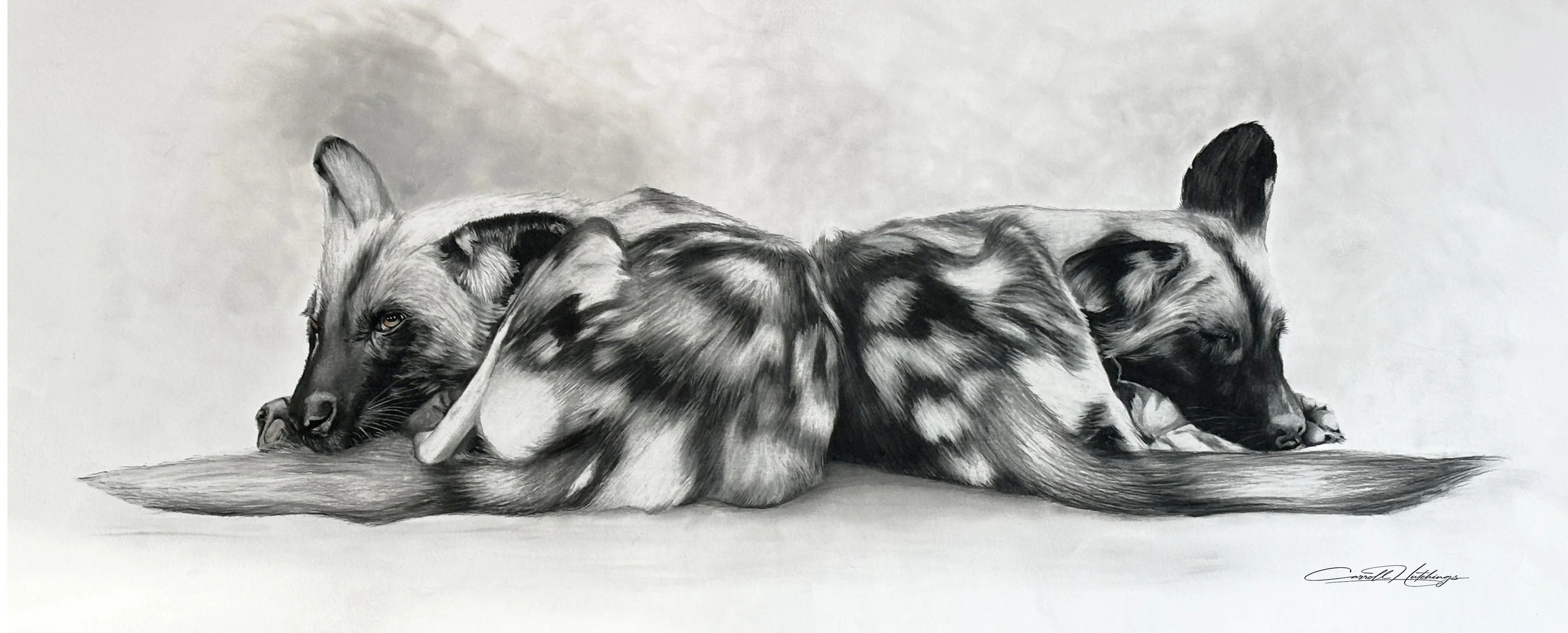
‘Endangered Inks Sleep Alert’
The Extinction Crisis We Can No Longer Ignore
Species extinction is no longer a distant threat — it is happening now.
Habitat destruction, climate change, illegal wildlife trade, and ecosystem collapse are pushing animals toward extinction at an unprecedented rate. Scientists estimate that species are disappearing 100–1,000 times faster than natural background extinction rates. But data alone doesn’t move people. Statistics don’t create empathy. Numbers don’t create connection. Humans protect what they emotionally connect with — and this is where art becomes powerful.

‘Endangered Inks Baby Foraging’
Why Art Creates Emotional Connection Where Data Fails
The human brain is wired for visual memory and emotional storytelling. We remember images far longer than facts. We respond emotionally before we respond logically.
Wildlife art I believe creates empathy, builds emotional attachment, humanises non-human life, transforms animals into relatable individuals, and makes extinction personal rather than abstract.
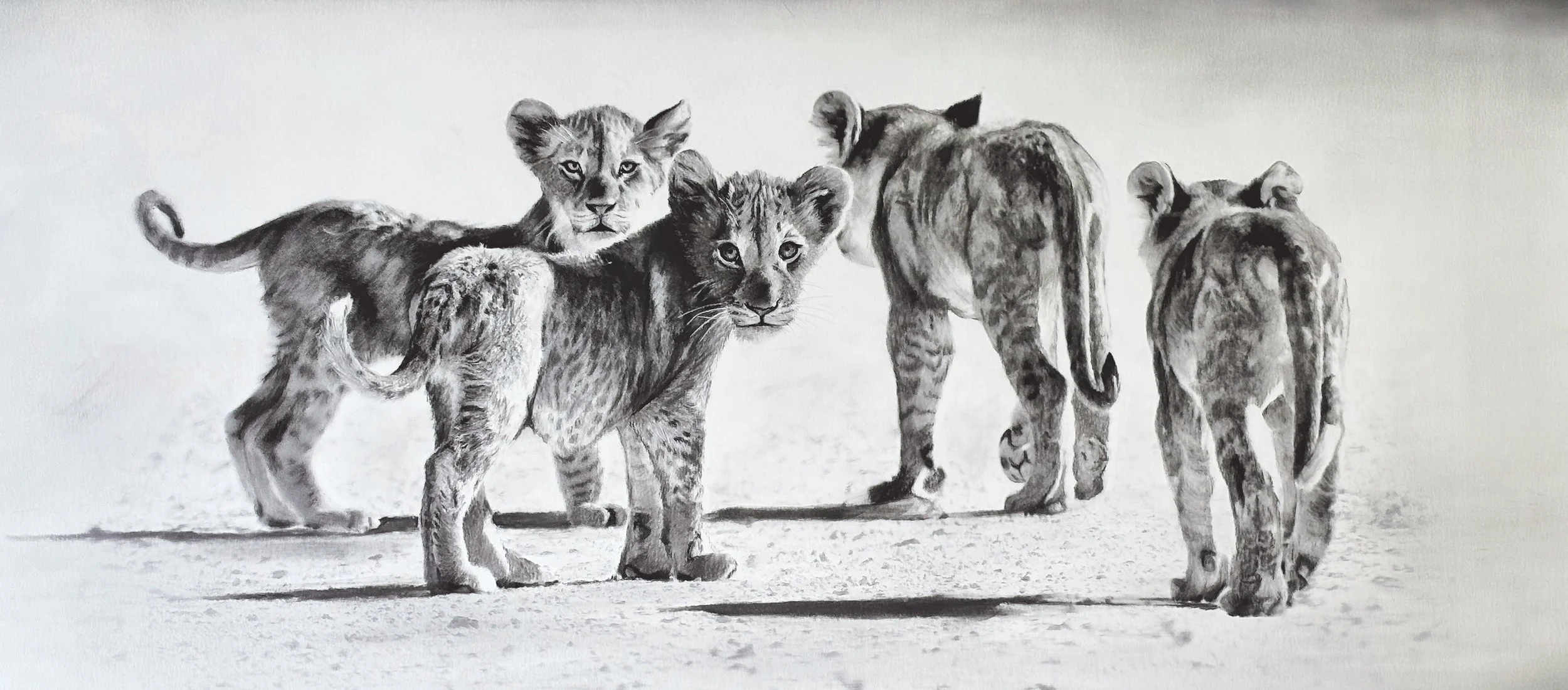
‘Endangered Inks Lost Cubs’
Visual Storytelling as a Conservation Tool
Art is as well as decoration, is also communication. Wildlife art can function as education, conservation storytelling, behavioural influence, cultural messaging, and moral persuasion. When people emotionally connect to an animal, they care. When they care, they act. When they act, conservation becomes possible.
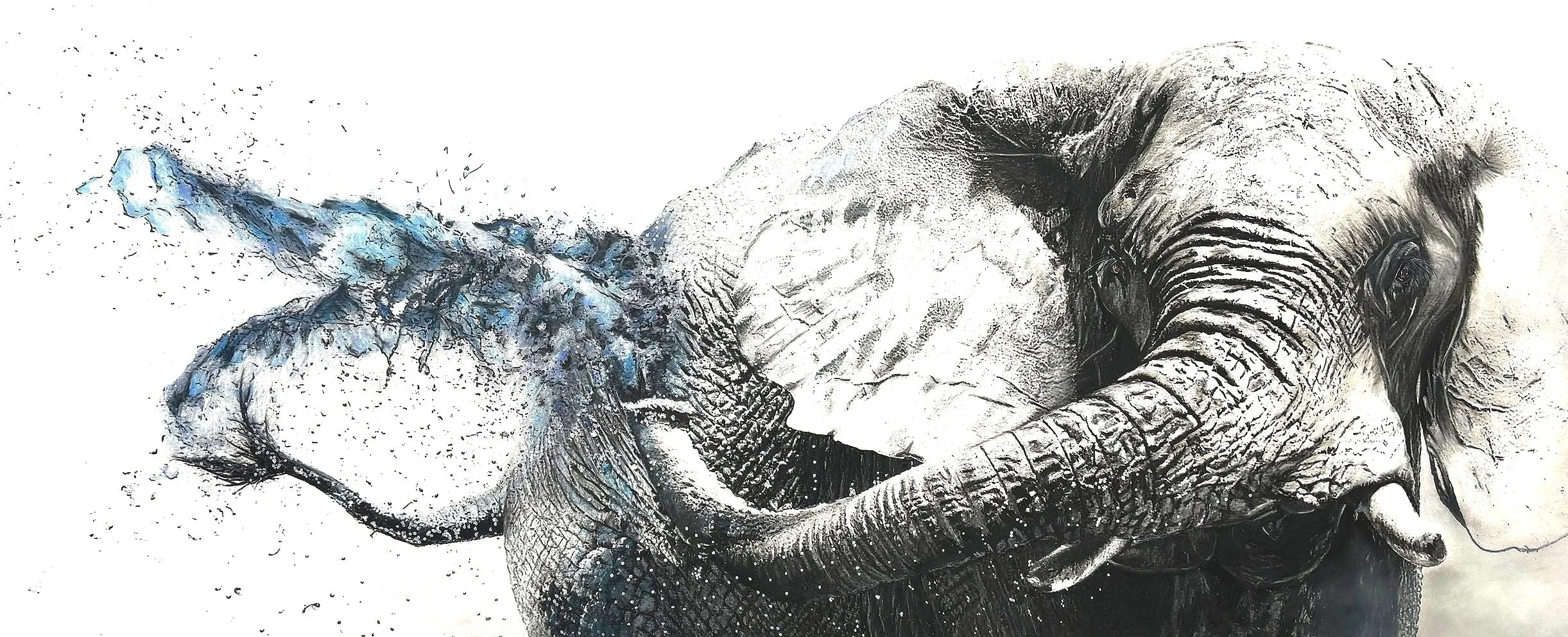
‘Endangered Inks Bath Time’
Wildlife Art Directly Supports Conservation
Wildlife art protects species in two ways…
Awareness Impact
Spreads conservation messages
Educates the public
Creates social sharing
Builds community movements
Normalises conservation values
Financial Impact
Funds conservation organisations
Supports habitat protection
Supports anti-poaching initiatives
Funds research and education
Creates sustainable conservation income streams
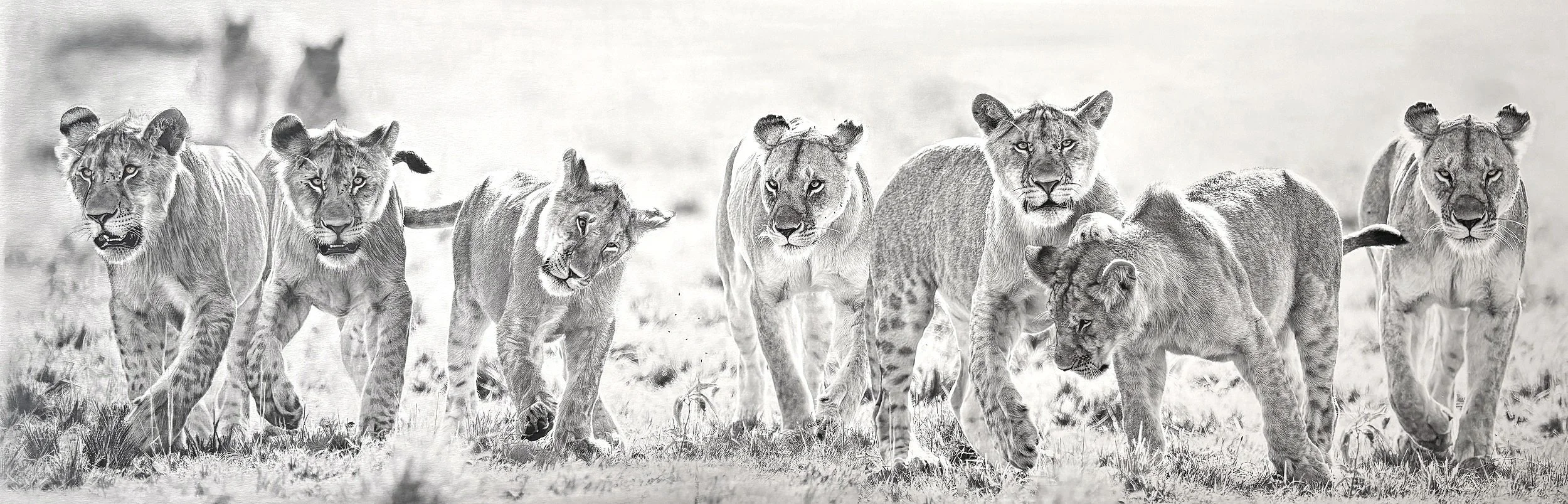
‘Endangered Inks The Next Generation’
The Role of Ethical Art in Species Protection
Ethical art collecting is growing rapidly. People no longer want objects — they want meaning.
Ethical wildlife art offers purpose-driven ownership, impact-based collecting, conservation support, legacy value, and identity alignment.
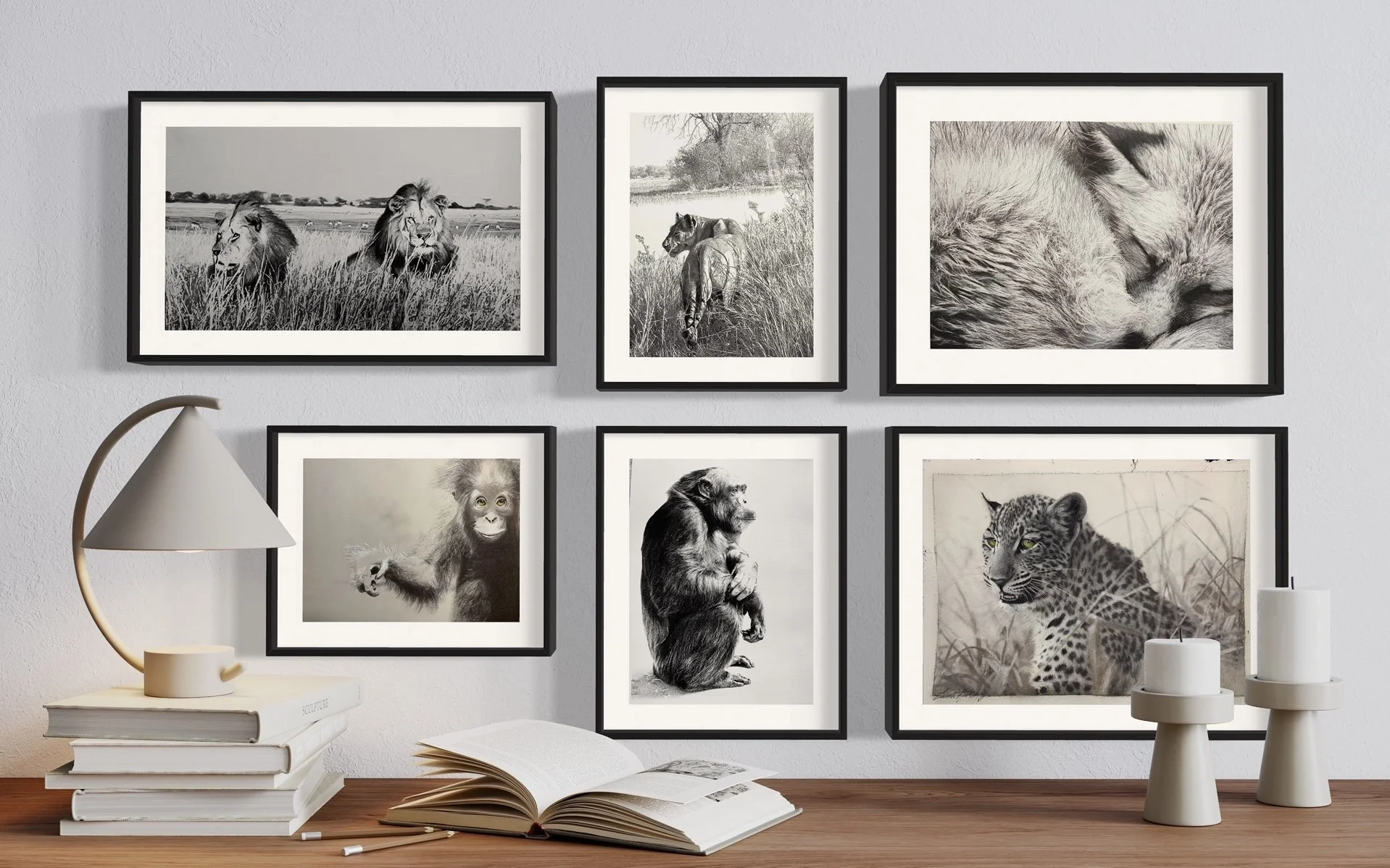
A Collection of ‘INKS’ created by Endangered Inks
Art as Activism, Not Decoration
Wildlife art is evolving into a form of activism. Not protest — but persuasion. Not noise — but influence. Not awareness — but action. Art becomes a silent advocate, a cultural signal, a moral statement, and a conservation tool.
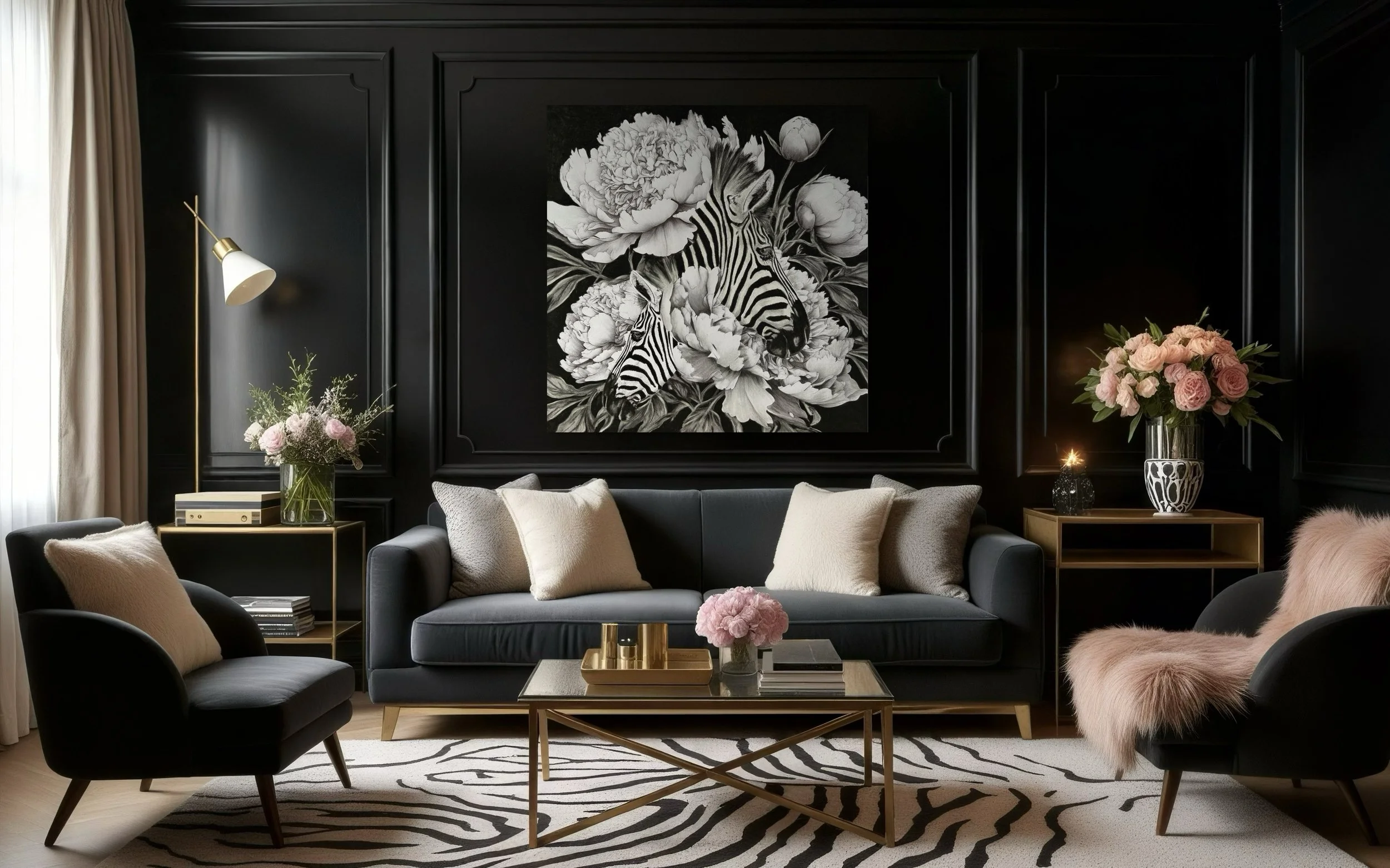
Endangered Inks Wild Peonies Limited Edition Collection, 20% of every sale is donated to conservation.
How Endangered Inks Connects Art to Impact
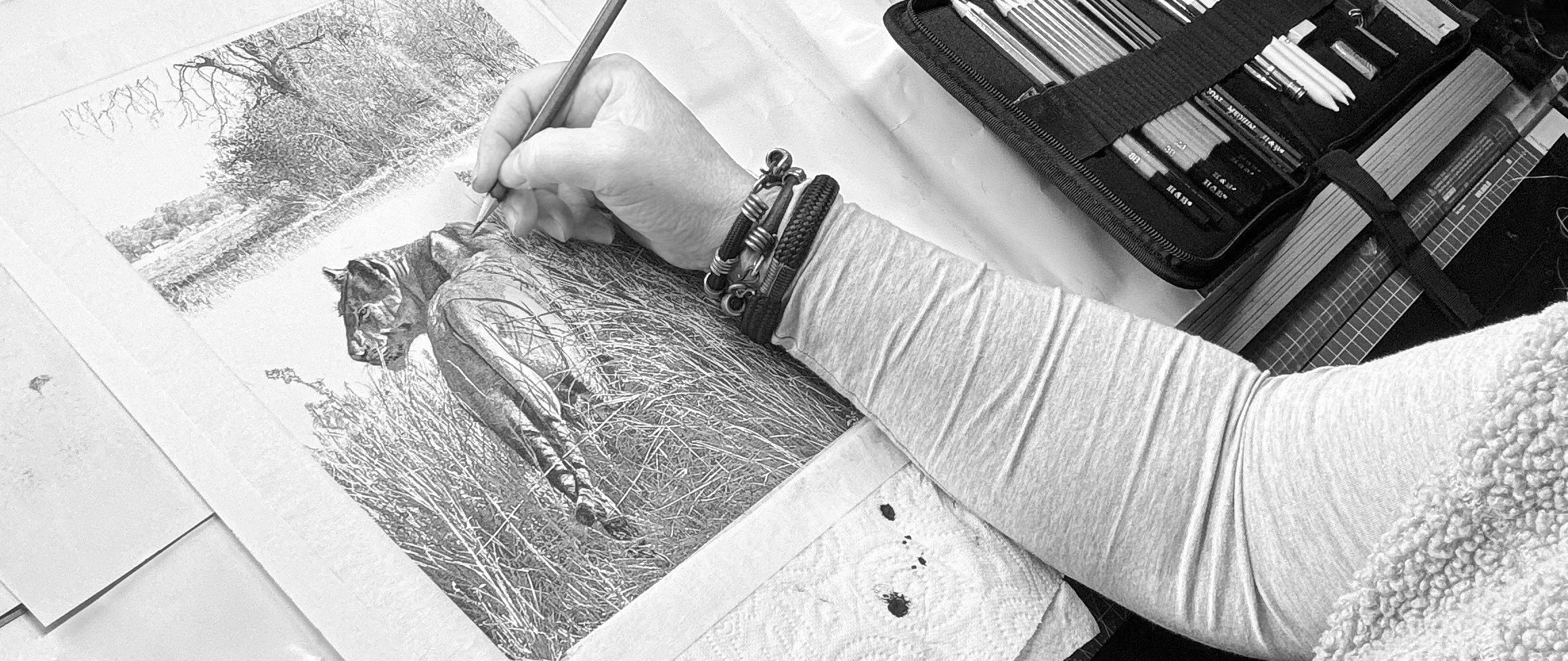
Endangered Inks was built on one simple belief: art should protect what it portrays. Every piece of artwork known as an INK exists to raise awareness, tell a story for each animal portrayed, build a connection, support conservation impact, and hopefully create a cultural change. 20% of all sales is donated to our conservation partners.
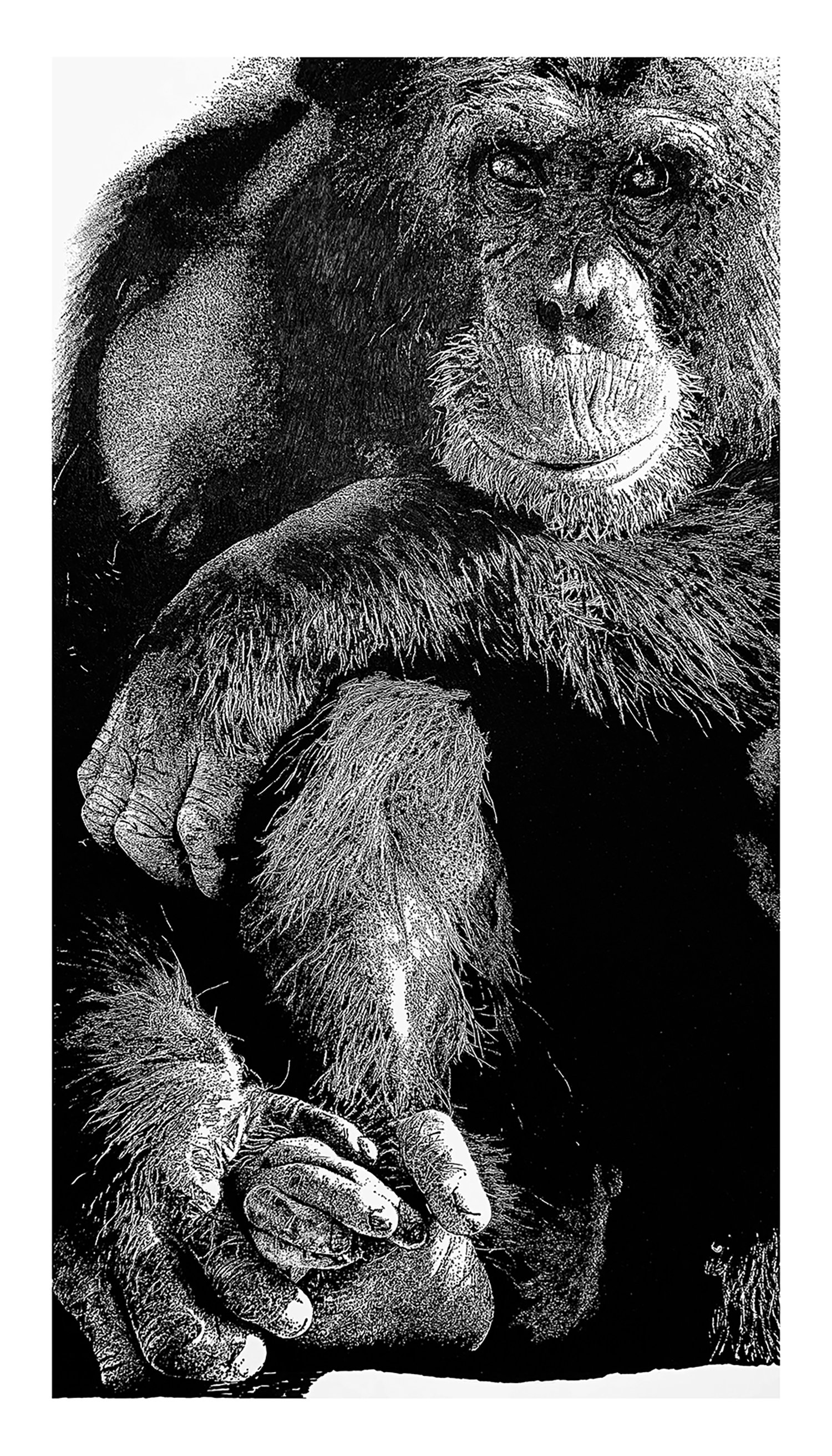

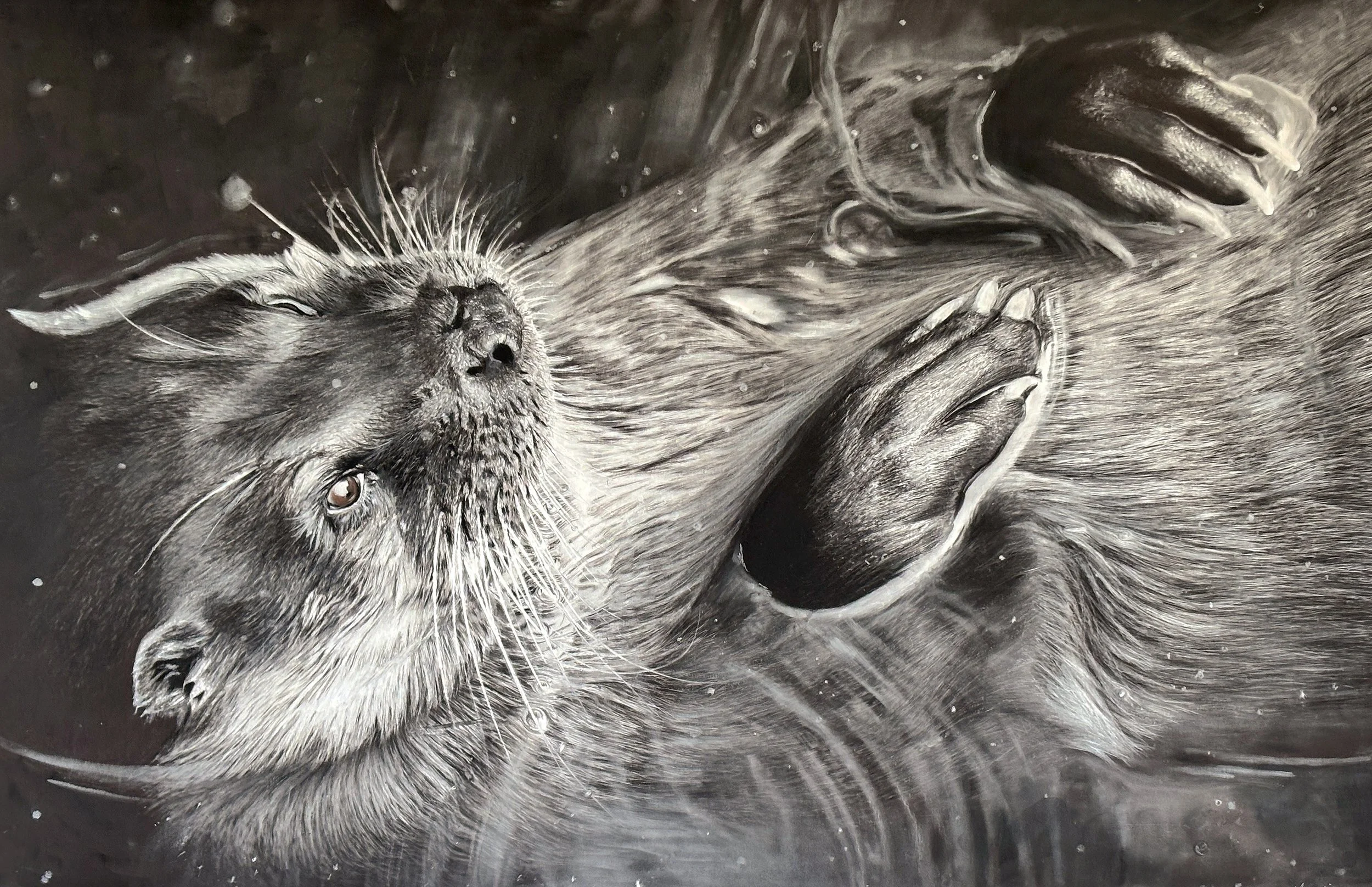
Protect a species you love through art.
Collect beautiful artwork that carries meaning, mission, and impact. Join a movement where creativity becomes conservation.
Frequently Asked Questions
How does art help protect endangered species?
Art protects endangered species by raising awareness, creating emotional connections, influencing human behaviour, funding conservation efforts, and inspiring public action through visual storytelling.
Why is wildlife art important for conservation?
Wildlife art is important because it creates empathy, spreads awareness, and transforms conservation from abstract data into emotional connection and action.
What is conservation art?
Conservation art is artwork created with the purpose of supporting environmental protection, endangered species awareness, and biodiversity conservation.
How can art support conservation organisations?
Art supports conservation organisations by generating funding, raising awareness, building communities, increasing visibility, and supporting educational initiatives.