Why Endangered Species Art Matters More Than Ever
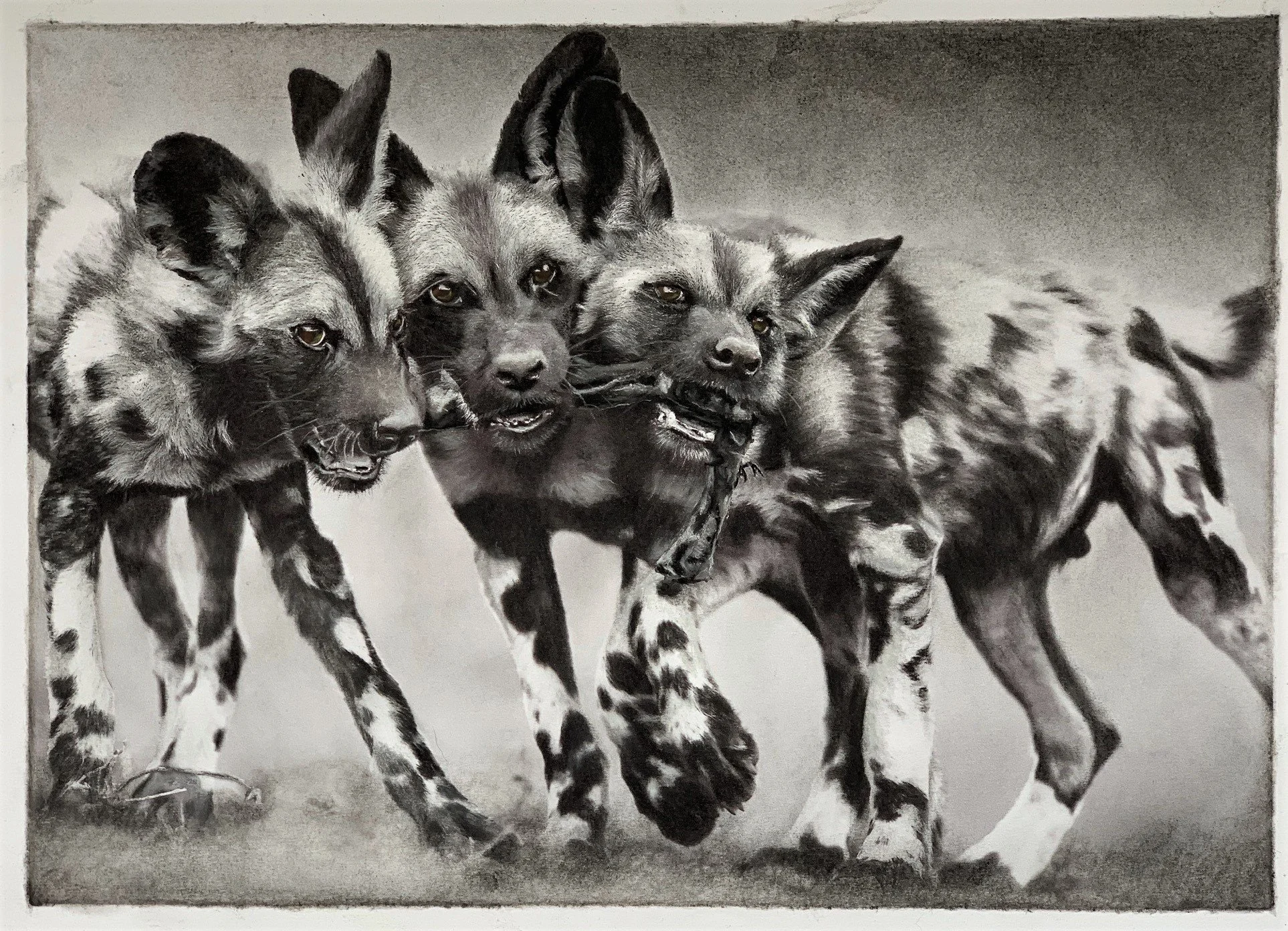
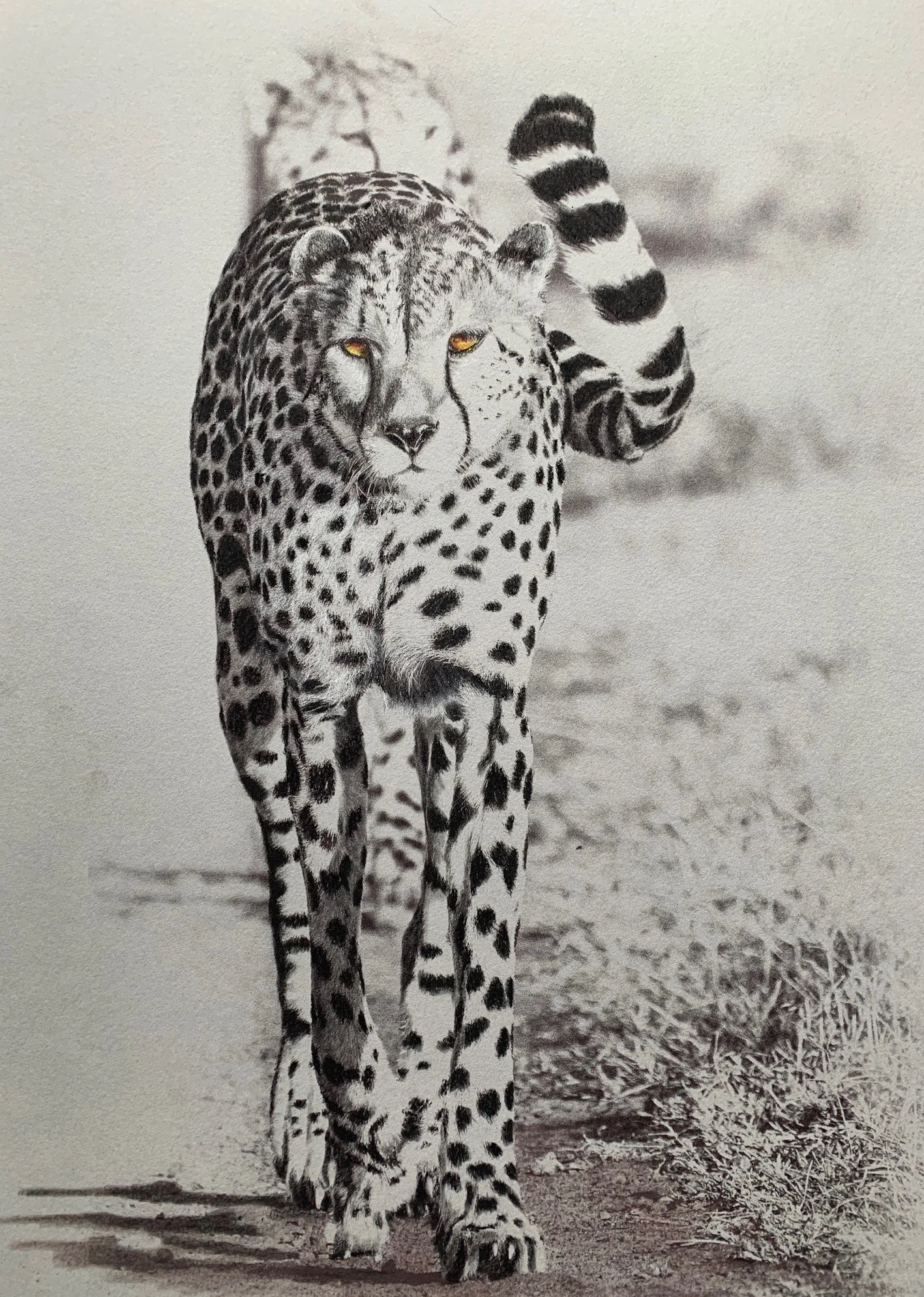
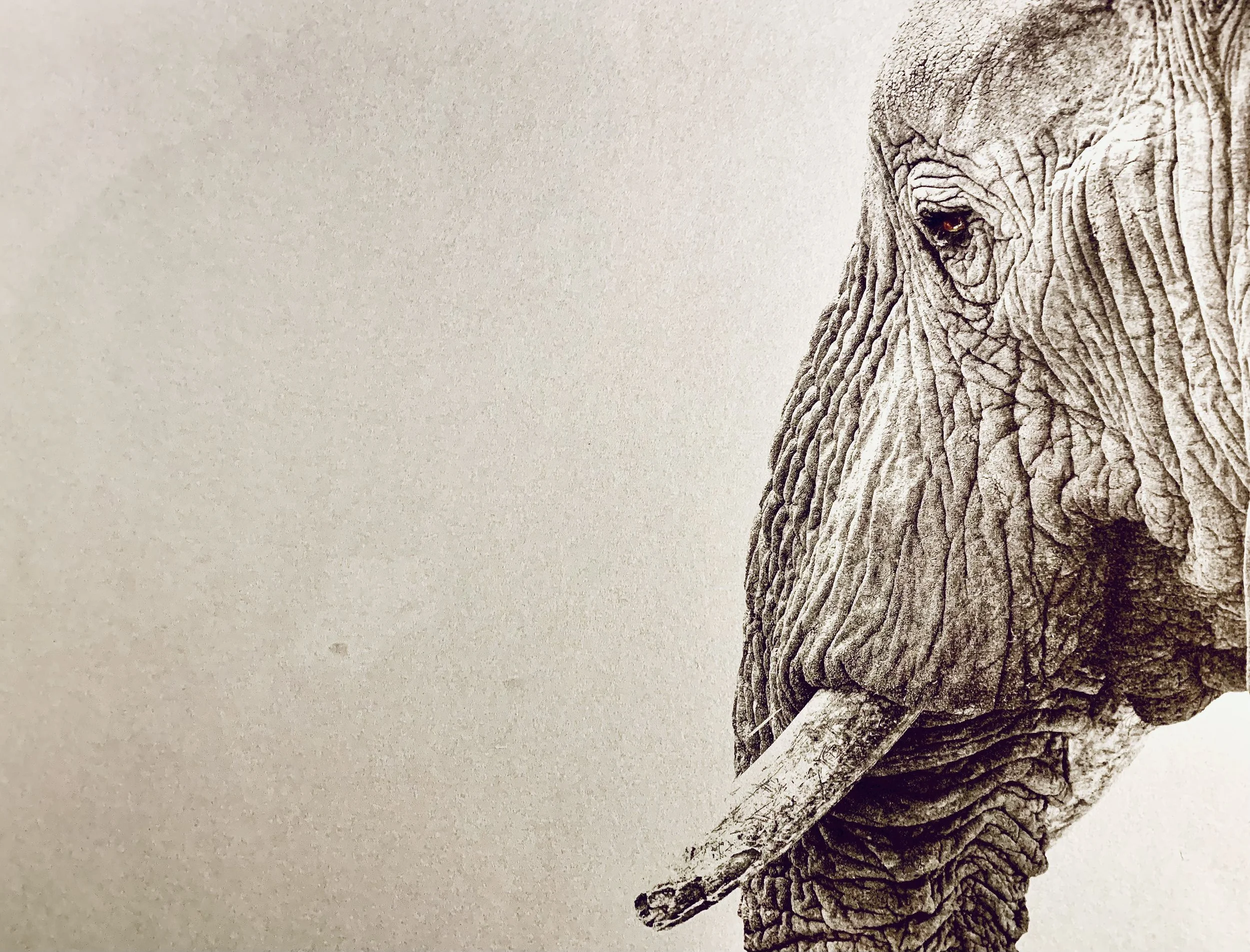
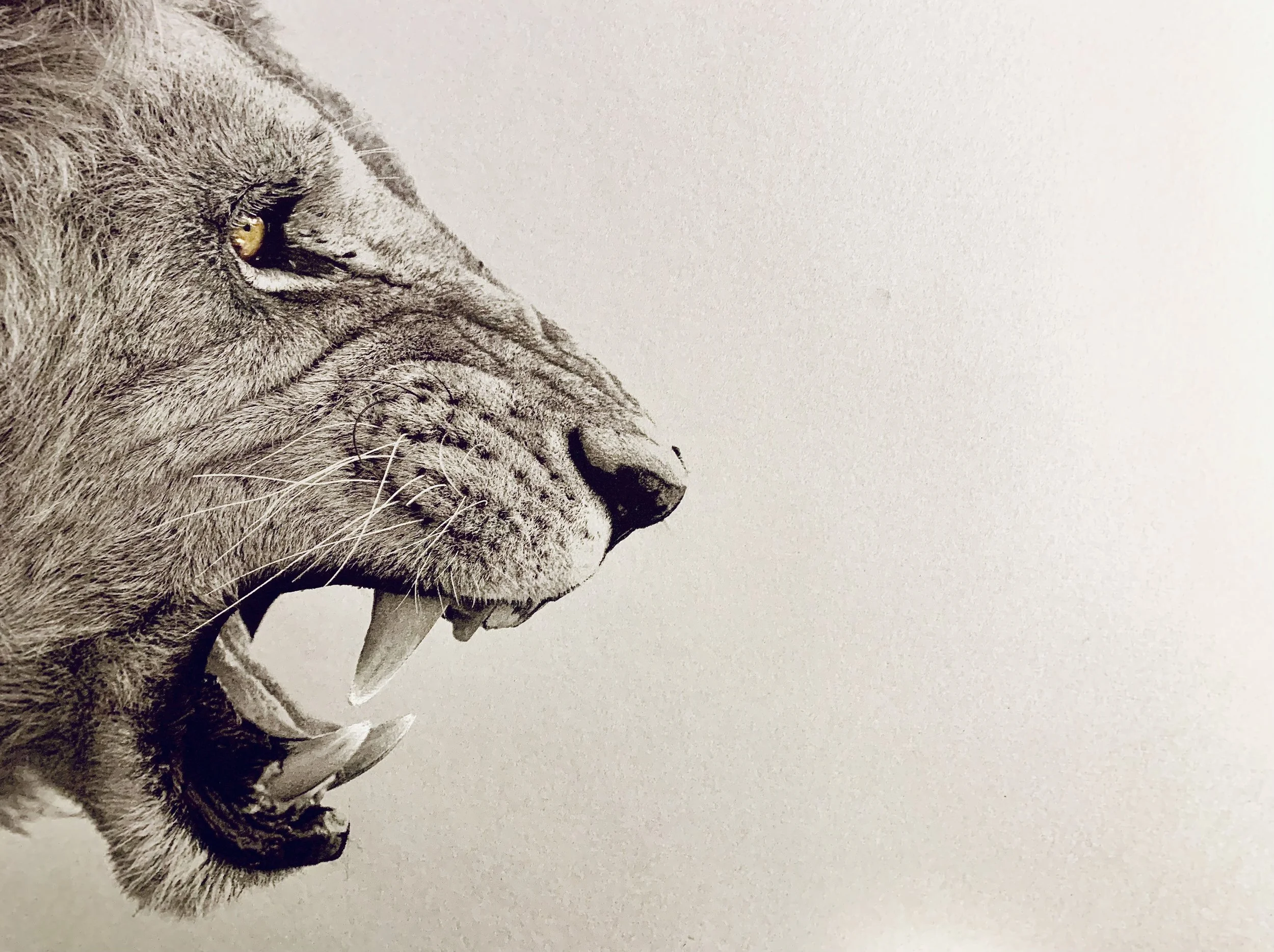
Endangered species art matters now more than ever because the world is losing wildlife at an unprecedented rate. Art has the power to create emotional connection, build empathy, and transform extinction statistics into reality. In a time of environmental crisis, wildlife art becomes a bridge between awareness and action.
The World Is Losing Species Faster Than Ever
We are living through a mass extinction event. Habitat destruction, climate change, pollution, illegal wildlife trade, and ecosystem collapse are pushing species toward extinction at speeds never seen before in our history. But most people experience this crisis as information, not emotion. Numbers feel distant. Statistics feel abstract. Reports feel disconnected from daily life and made to be fake news. Extinction becomes something people know about — but don’t feel. This emotional distance is one of the biggest barriers to conservation.
Why Awareness Alone Is Not Enough
Awareness does not change behaviour on its own. People do not protect what they do not emotionally connect to. They do not defend what they do not value. They do not act for what feels distant and abstract. True protection starts with connection. This is where endangered species art becomes powerful — it transforms information into emotion and data into meaning.
How Art Creates Emotional Connection to Wildlife
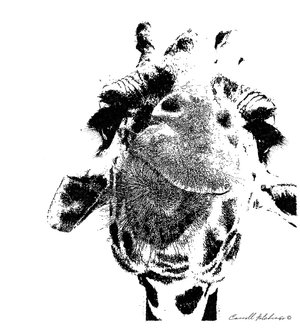
Our brain is wired for images and stories, not statistics. We remember faces more than facts. We remember emotions more than numbers. We remember stories more than data. Endangered species art creates empathy and evokes emotion and connection. Animals stop being “species” and start being individual beings. Extinction stops being a concept and becomes a loss. Art as a bridge between us and nature. Modern life sometimes can disconnects us from nature. Most people will experience wildlife through screens, documentaries, and headlines — not within a real ecosystems. Creating an opportunity for art to become a communication visual to reconnect people emotionally to our worlds natural beauty and environmental responsibility.
Why Endangered Species Art Is Cultural Protection
Culture determines what societies protect. What a culture values, it defends. What a culture ignores, it loses. Art can help shape cultures. Endangered species art embeds wildlife into conservation and communities as part of environmental culture, not just policy. Art becomes something you stand for — not just something you own.
Why This Moment Matters More Than Ever
We are living in a defining moment for biodiversity. What disappears now may never return. What is lost now cannot be restored. What we ignore now becomes extinction tomorrow. Endangered species art matters because it preserves memory, builds empathy creates connection, inspires protection and builds cultural responsibility. Art becomes a form of preservation when species are at risk.
How Endangered Inks Turns Art Into Protection
Endangered Inks exists to ensure that wildlife art does more than represent animals — it protects them. Every piece of art (INK) is designed to raise awareness, tell a story and make you feel a connection. This is not just for decoration, this is art for protection. This is art with purpose to try and protect endangered species through art.
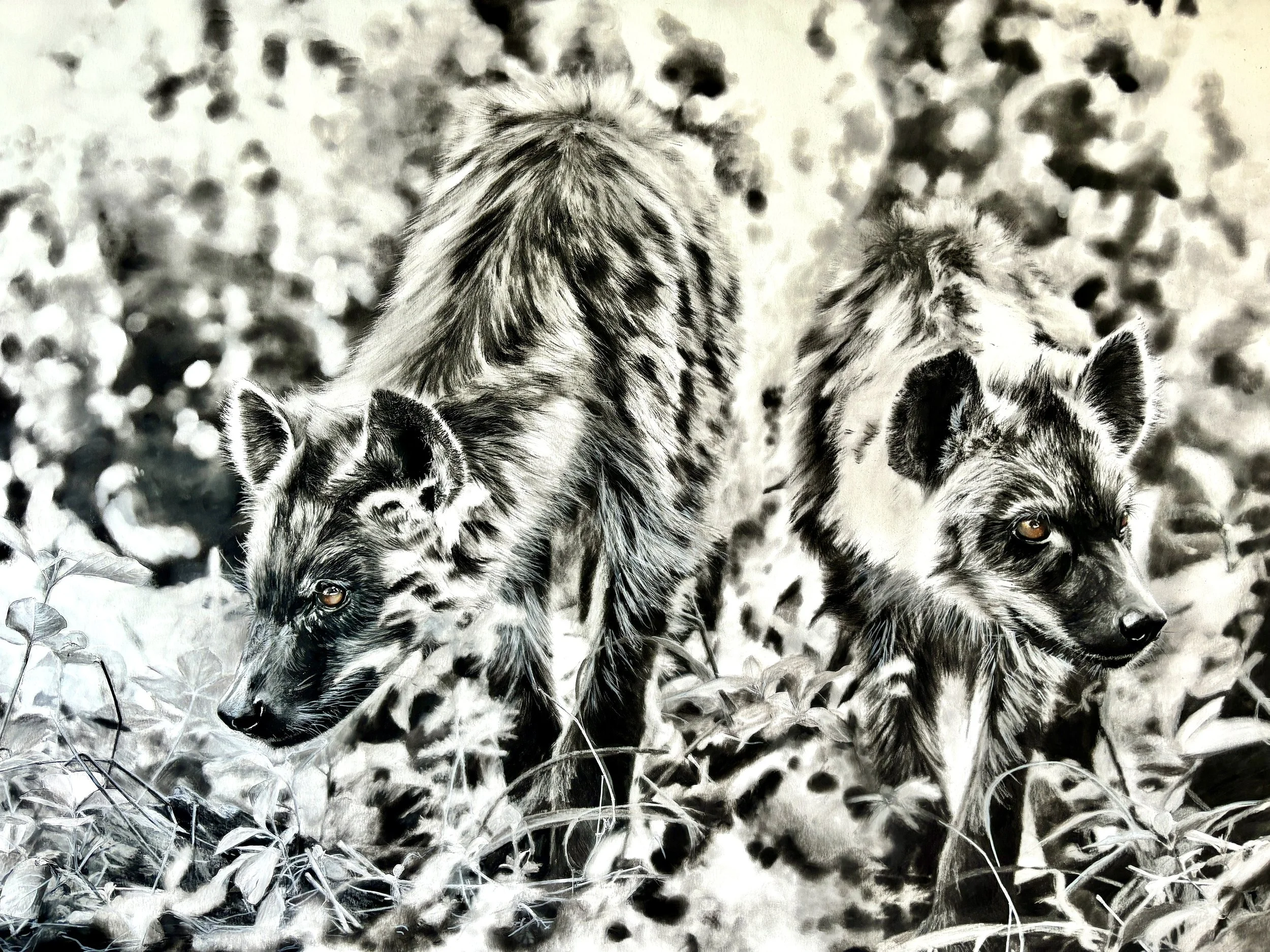
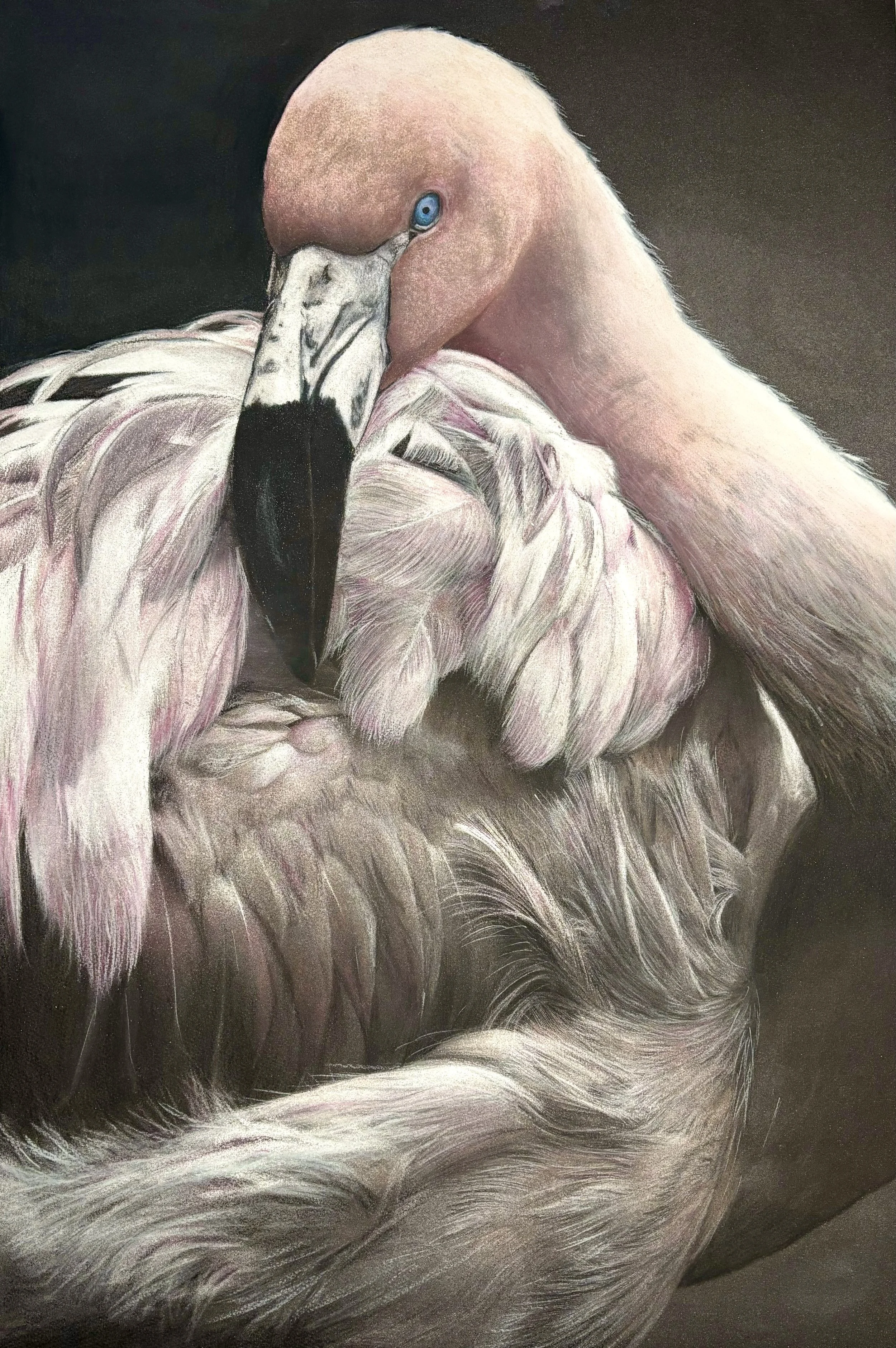
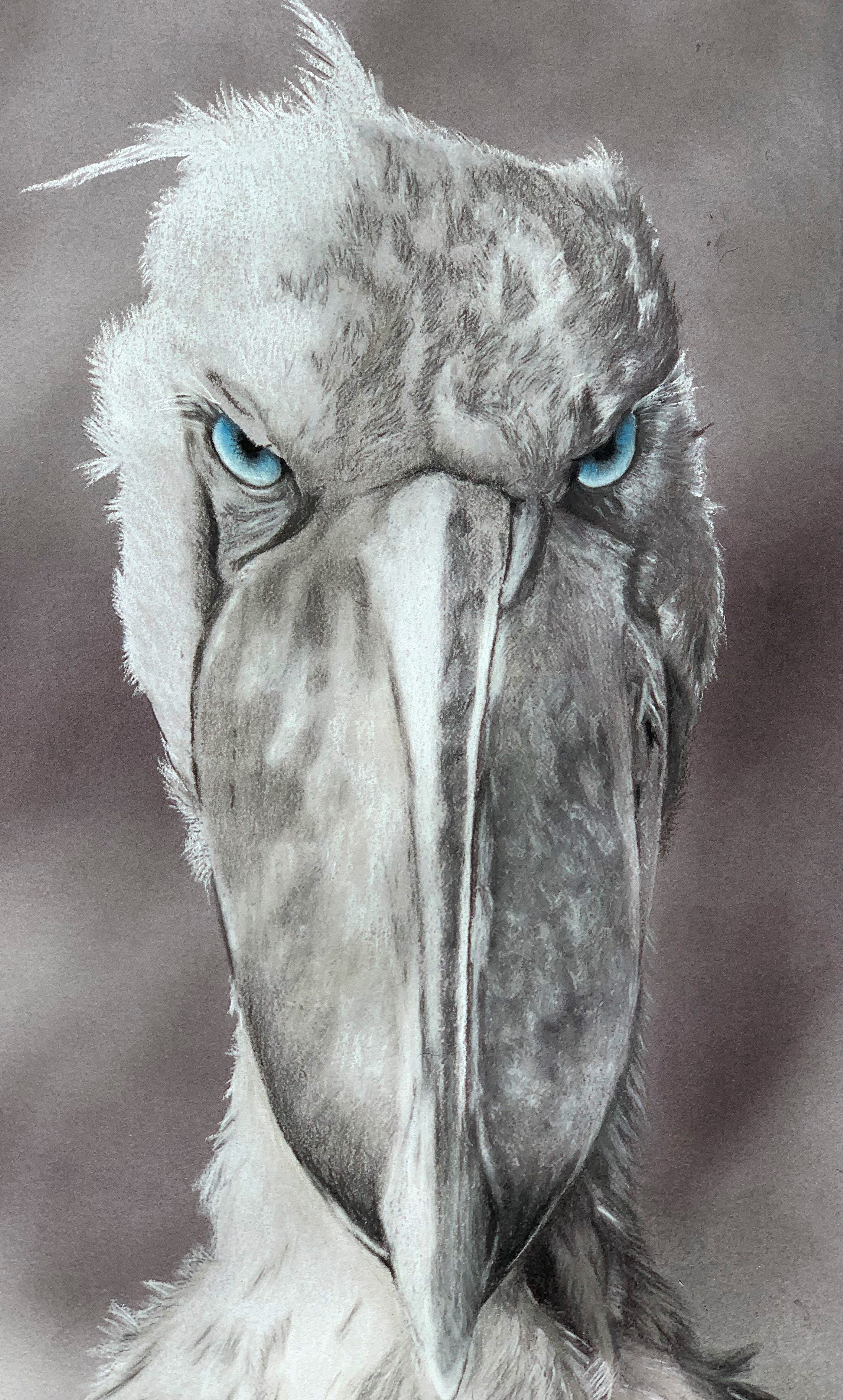
Collect artwork that carries meaning, mission, and impact.
Frequently Asked Questions
Why does endangered species art matter?
Endangered species art matters because it creates emotional connection, builds empathy, raises awareness, and transforms abstract extinction into personal responsibility and action.
How does art help protect endangered animals?
Art helps protect endangered animals by raising awareness, inspiring action, funding conservation, and building emotional connections that lead to long-term behavioural change.
What makes endangered species art different from regular wildlife art?
Endangered species art is purpose-driven and impact-focused, created to protect species and ecosystems rather than purely for decoration.
Can art really influence conservation?
Yes. Art influences conservation by shaping culture, values, behaviour, and emotional connection, which directly impacts how societies protect wildlife.
Why is emotional connection important for conservation?
Emotional connection is important because people protect what they care about, and care is driven by empathy, identity, and meaning — not information alone.